






The Sour Star of the Konkan Coast
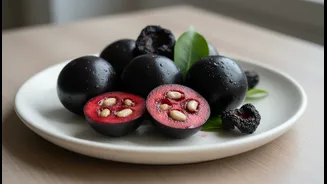
For anyone who grew up along India’s western coastline, kokum is a taste of home. A member of the mangosteen family, this deep purple fruit is a cornerstone of Konkan, Goan, and Maharashtrian cooking. Unlike the sharp punch of tamarind or the bright zing
of lime, kokum offers a unique, mellow sourness with floral undertones. Its primary compound, hydroxycitric acid, delivers a gentler acidity that builds flavour without overwhelming the palate. Traditionally, its dried rind is simmered in fish curries, lending a beautiful pinkish hue and a complex tang. In its most famous liquid form, it becomes solkadhi, a soothing digestive drink made with coconut milk that perfectly complements spicy coastal meals. This is not just an ingredient; it is a cultural touchstone, a flavour profile deeply embedded in the region's culinary identity.
From Tradition to Trendy
In recent years, a welcome culinary movement has seen chefs and restaurateurs across India turning inward, championing indigenous ingredients that were once confined to regional home kitchens. Forgotten grains, local cheeses, and unique vegetables are getting their moment in the spotlight. Kokum has ridden this wave with remarkable success. Suddenly, the humble fruit is the star of artisanal cocktails, infused into gin, and brewed into gut-friendly kombuchas. This embrace of heritage is exciting, bringing a beloved flavour to a new, national audience. It signals a shift away from imported trends and towards a confident, modern Indian food culture. This makeover has transformed kokum from a functional souring agent into a symbol of cool, contemporary Indian identity.
The Ramen Rendezvous
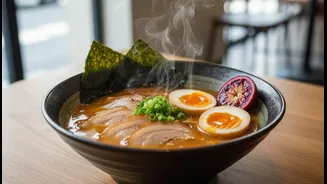
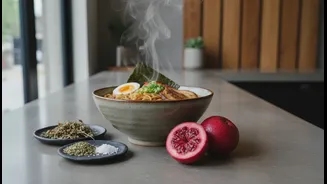
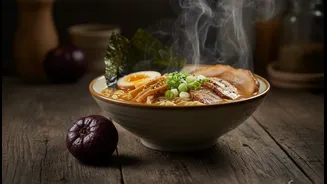
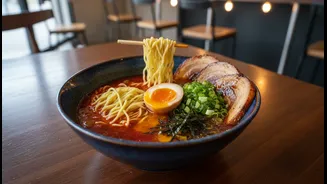
Perhaps the most adventurous example of this trend is the emergence of kokum in ramen. On the surface, the logic holds up. Rich, fatty ramen broths like tonkotsu (pork bone) or creamy miso benefit immensely from an acidic counterpoint to cut through the richness and prevent palate fatigue. Traditionally, this might come from a side of pickled ginger or bamboo shoots. A chef looking to localise this globally popular dish might see kokum as the perfect Indian solution to this flavour puzzle. Why not add a dash of kokum's sourness to the broth to provide that necessary lift? It’s a creative idea that bridges two distinct culinary worlds, attempting to create something new and exciting. It represents the kind of playful experimentation that drives food culture forward.
A Question of Acidity
Here, however, is where the conversation needs more nuance. The issue isn't using kokum in ramen; it's how it's being used. Often, the application involves adding a sweetened kokum syrup directly into the broth. This approach misunderstands the ingredient's core strength and the precise role of acid in ramen. The goal isn’t just to make the broth sour, but to use acidity to brighten and balance a complex layering of umami flavours from dashi, soy sauce, and miso. The gentle, layered sourness of kokum is lost when delivered via a sugary syrup, which can make the broth taste muddled and confused rather than clean and sharp. It treats kokum's acidity as a blunt instrument when it is, in fact, a precision tool.
Unlocking Kokum's True Potential
A more thoughtful approach would celebrate kokum's specific properties. Imagine a kokum-infused aroma oil, drizzled over the top just before serving to add a fragrant, acidic note without clouding the broth. What about using kokum to create a unique tare, the concentrated sauce base that is the secret heart of any good bowl of ramen? This would integrate its flavour at a foundational level. Another idea is to use it as a pickling agent for toppings like daikon or onions, offering a sharp, acidic bite on the side. These methods respect both the integrity of the ramen and the unique character of kokum. They move beyond the gimmick of a 'kokum-flavoured' broth and into the realm of true, intelligent fusion where ingredients are used because they are understood.