


The New Festive Mantra: Moderation
For generations, Indian festivals have been a vibrant celebration of excess, especially when it comes to food. Platters piled high with glistening sweets and savoury fried snacks are central to the joy of Diwali, Holi, and countless other celebrations.
Yet, a significant cultural shift is underway. An increasing number of Indians are embracing the concept of moderation, not as a form of deprivation, but as a sustainable way to enjoy the foods they love. This change is driven by a growing awareness of health and wellness, transforming how people approach festive meals. The goal is no longer to eat until one is stuffed, but to savour and enjoy without the subsequent guilt or discomfort.
From Guilt to Mindfulness
The conversation around festive food is moving away from an all-or-nothing mindset. Instead of viewing foods as 'good' or 'bad', the focus is shifting to mindful eating. This involves paying attention to the body’s hunger and fullness signals, eating slowly, and truly appreciating the flavours and textures of each dish. Nutritionists advise that this simple practice can lead to greater satisfaction with smaller amounts of food. This approach helps to break the cycle of overindulgence followed by restrictive dieting, fostering a healthier long-term relationship with food. The idea is to plan for indulgence, choosing favourite treats and enjoying them completely, rather than mindlessly sampling everything on offer.
Tradition, Remixed for Wellness
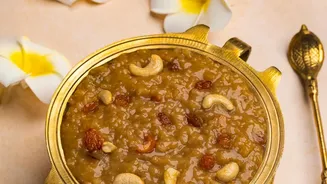
This trend is not about rejecting traditional festive cuisine but reinterpreting it. People still crave the comforting flavours of homemade laddoos and gulab jamuns. The difference lies in the quantity and, increasingly, the quality. Many are now opting for bite-sized portions, a trend the packaged sweets market has been quick to adopt. There is also a move towards using healthier ingredients, such as swapping refined sugar for jaggery or choosing baked and air-fried versions of snacks over deep-fried ones. This allows for the preservation of cultural traditions while aligning them with contemporary health goals, proving that festive flavours and well-being can coexist.
A Smarter Plate Strategy
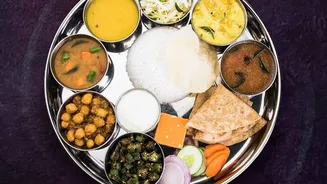
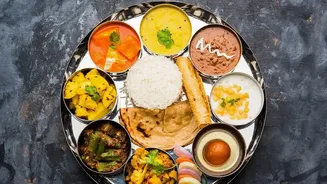
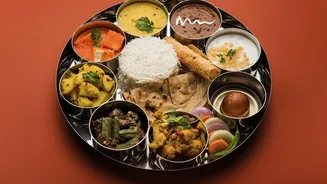
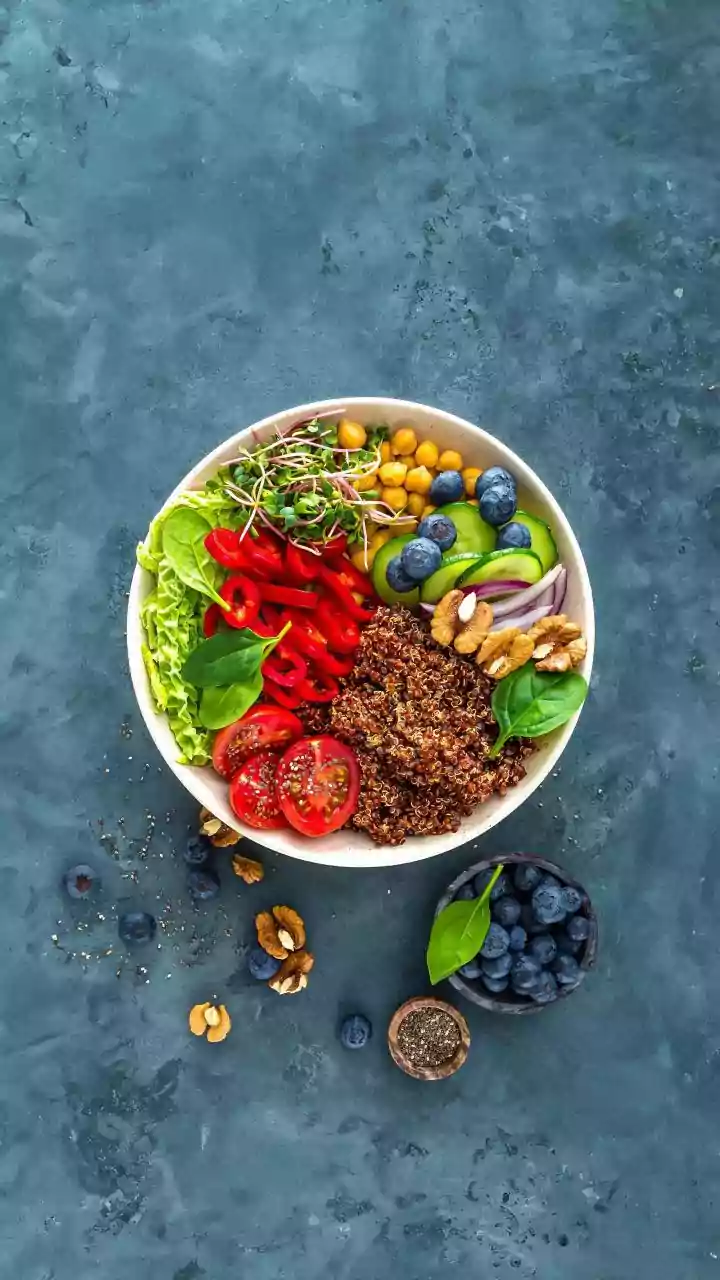
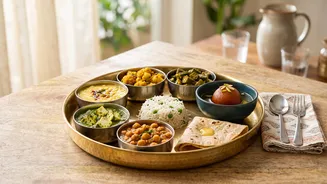
A practical strategy gaining popularity is the 'plate method'. Dietitians recommend filling half the plate with vegetables or salad, a quarter with protein like dal or paneer, and the final quarter with carbohydrates such as rice or roti. This ensures a balanced intake of essential nutrients and promotes satiety, making it easier to control the consumption of richer, high-calorie dishes. Prioritising protein and fibre before indulging in sweets helps to stabilise blood sugar levels and prevent overeating. Staying hydrated is another simple yet effective tip, as thirst is often mistaken for hunger or cravings for sweets.
The Market Responds to Conscious Consumers
The food industry, from local halwais to large corporations, is taking note of this consumer evolution. The Indian sweets market is seeing a surge in demand for products that cater to the health-conscious consumer, including sugar-free options and sweets made from millets. Packaging has also adapted, with smaller, individually wrapped portions becoming more common to encourage portion control and convenience. This reflects a broader transformation where consumers are more informed and demand transparency, quality ingredients, and products that fit into a balanced lifestyle. The premium sweets segment is also growing, indicating that consumers are willing to pay more for higher quality and better ingredients, prioritising experience over sheer quantity.