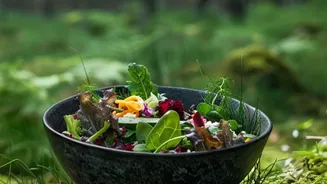






Long before supermarkets, our ancestors relied on nature's pantry. Foraged greens, rich in unprocessed fibre and minerals, offer a powerful, natural way to boost gut health, feeding the good bacteria that are essential for our overall well-being.
The Power of Unprocessed Fiber
Dietary
fiber is the part of plant-based foods that your body can't digest or absorb. It comes in two forms, soluble and insoluble, and most plants contain both. Unlike the fiber in many processed foods, the fiber in wild greens is housed within intact plant cells. This complex, unprocessed structure acts as a fantastic workout for your digestive system. Insoluble fiber adds bulk to stool, promoting regularity and helping waste move through the gut efficiently. Soluble fiber dissolves in water to form a gel-like substance, which can help slow digestion, manage blood sugar, and lower cholesterol. This combination is fundamental to a healthy digestive tract.
A Feast for Your Gut Microbiome
Your gut is home to trillions of microorganisms, collectively known as the gut microbiome, which play a critical role in everything from digestion to immune function. This inner ecosystem thrives on a diverse diet rich in plant fiber. The fiber from foraged greens acts as a prebiotic, which is essentially food for your beneficial gut bacteria. As these good bacteria ferment the fiber, they produce short-chain fatty acids (SCFAs). These compounds are incredibly beneficial; they nourish the cells lining your colon, help maintain a strong intestinal barrier, and reduce inflammation. A diet rich in varied fibers helps cultivate a diverse and resilient microbiome, which is a cornerstone of overall health.
A Natural Mineral Boost
Wild plants often have a distinct nutritional advantage over their cultivated cousins. Because they grow in undisturbed, often richer soils, they can have a higher concentration of essential minerals. Foraged greens like dandelion, nettles, and lamb's quarters have been found to be packed with vitamins and minerals such as calcium, magnesium, iron, and potassium. For example, studies have shown that some wild greens can contain significantly more iron and calcium than cultivated spinach. This is partly because wild plants often have deeper root systems that can access minerals unavailable to shallow-rooted farm crops. This struggle for survival makes them more nutrient-dense.
Embracing India's Wild Edibles
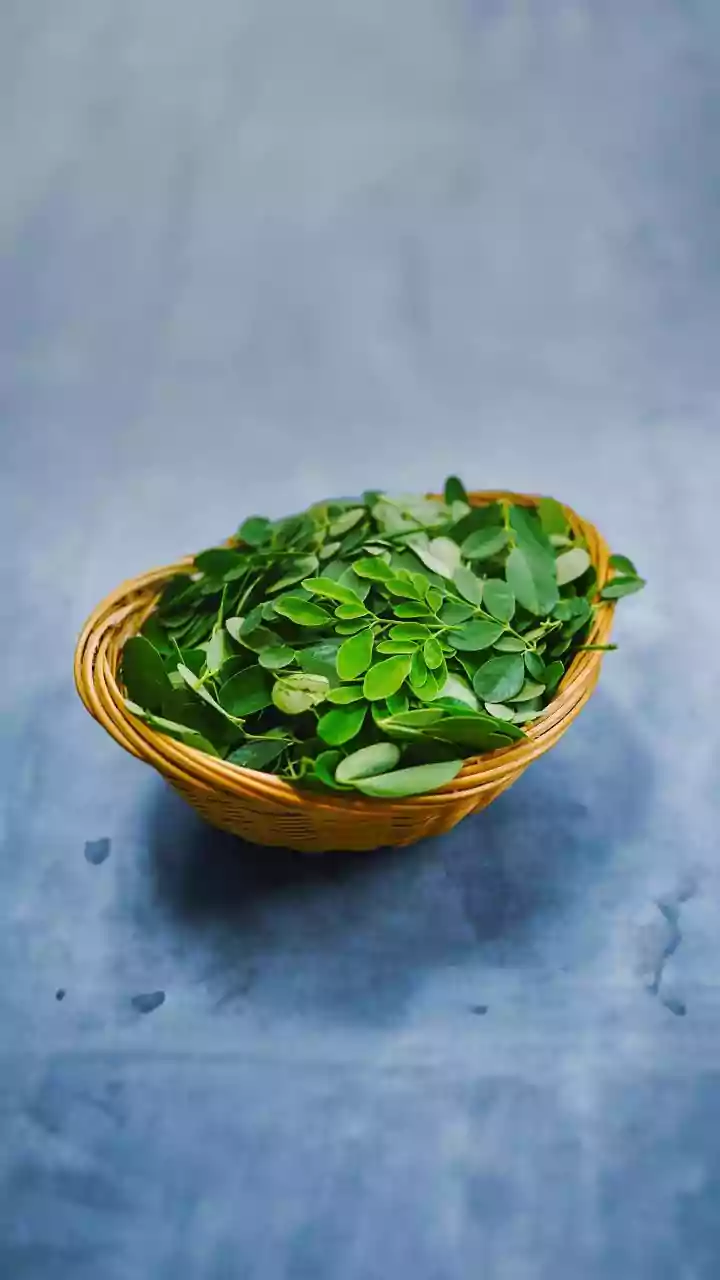
India has a long and rich tradition of using foraged greens, known regionally as 'raan bhaji' or 'xak'. Depending on the region, local markets often feature seasonal wild edibles that have been part of traditional diets for generations. Monsoon brings an abundance of specific greens like 'phodshi' in Maharashtra, while 'kalmi saag' (water spinach) is sought after in Karnataka and North India. Other wellknown foraged plants include purslane ('kulfa' or 'goni soppu'), which is a source of omega3 fatty acids, and the leaves of the amaranth plant ('mullu harive'). These plants are not only flavourful but also provide a wide array of nutrients that supplement local diets.
A Crucial Note on Safe Foraging
While the benefits are clear, foraging requires caution and expertise. Misidentifying a plant can be dangerous, as some edible plants have toxic lookalikes. It's essential to never eat a plant unless you are 100% certain of its identity. Always start with an expert guide or a local foraging course. Additionally, location matters immensely. Avoid harvesting from roadsides, industrial areas, or land that may have been sprayed with pesticides or herbicides, as plants can absorb these harmful chemicals. Ethical harvesting is also key: never take more than a third of a plant or patch to ensure it can regenerate and that enough is left for wildlife.