



What Are the Perseids?
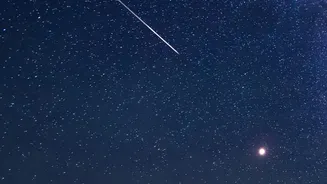
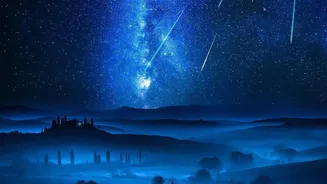
The Perseid meteor shower is one of the most beloved astronomical events of the year, known for producing a high rate of bright meteors. These 'shooting stars' aren't stars at all; they are tiny bits of ice and rock left behind by a massive comet called
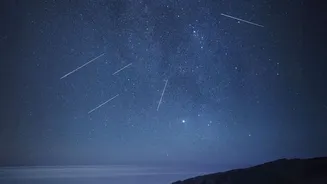
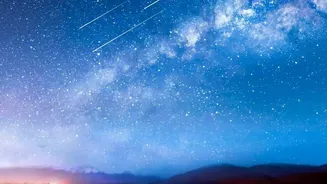
109P/Swift-Tuttle. This comet, which takes 133 years to orbit the sun, has left a trail of dusty debris along its path. Every year in mid-August, Earth's orbit takes it directly through this stream of particles. As the debris hits our atmosphere at high speed, it vaporizes, creating the brilliant streaks of light we see in the night sky. The Perseids are particularly known for their 'fireballs'—larger explosions of light and colour that can persist longer than an average meteor streak.
The Perfect Time to Watch
For 2026, the Perseid meteor shower is active from mid-July to late August, but the best time to watch is during its peak. This will occur on the night of August 12 and into the pre-dawn hours of August 13. Observers can expect to see between 50 and 100 meteors per hour under ideal conditions. In a stroke of luck for stargazers, the peak coincides with a new moon, meaning the sky will be perfectly dark without any moonlight to wash out the fainter meteors. In India, the best viewing window is expected to be between 2:00 AM and 4:30 AM on the mornings of August 12 and 13, when the shower's radiant point in the constellation Perseus is high in the sky.
The Great Monsoon Obstacle
While the celestial conditions are perfect, the terrestrial weather presents a significant hurdle for most of India. August is peak monsoon season, and widespread cloud cover is the biggest enemy of a meteor shower watcher. According to the India Meteorological Department (IMD), August 2026 is forecast to have below-normal rainfall across the country, but this doesn't guarantee clear skies. Heavy rainfall and cloud cover are still expected in many areas, particularly the Northeast and parts of eastern India. For most people in cities and regions with heavy monsoon activity, catching a glimpse of the Perseids will be a matter of sheer luck, requiring a fortunate break in the clouds during the peak hours.
Your Best Bet for a Clear Sky
To maximize your chances of seeing the show, you need to go where the monsoon isn't. The best locations in India are in rain shadow regions, which receive significantly less rainfall. The high-altitude desert regions of Ladakh and the Spiti Valley in Himachal Pradesh offer the most promising conditions, with historically clear and dry August skies. In particular, Hanle in Ladakh, home to India's first Dark Sky Reserve, provides exceptionally dark skies with minimal light pollution, making it a premier destination for viewing the event. Other potential locations with a higher chance of clear skies include the arid desert regions of Western Rajasthan, like Jaisalmer, and the Rann of Kutch in Gujarat.
Tips for a Successful Viewing
You don’t need a telescope or binoculars to watch a meteor shower; in fact, the naked eye is best because it allows you to see a wider area of the sky. The key is to find a location far away from city lights. Once you've found a dark spot, lie back on a blanket or a reclining chair so you can take in as much of the sky as possible. It’s crucial to be patient; give your eyes at least 20 to 30 minutes to fully adjust to the darkness. During this time, avoid looking at your phone screen, as the bright light will ruin your night vision. The meteors will appear to radiate from the constellation Perseus in the northeast, but they can streak across any part of the sky, so just look up and enjoy the show.