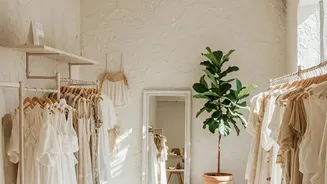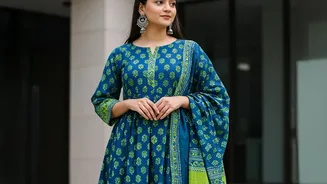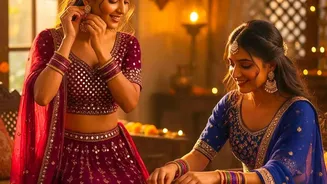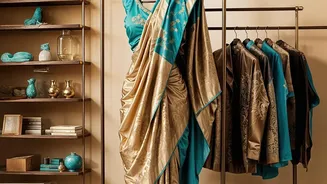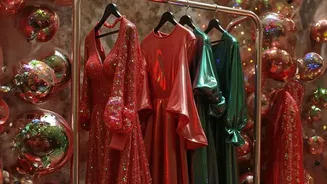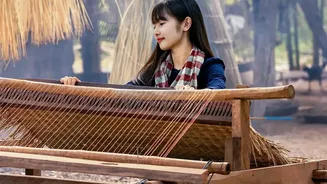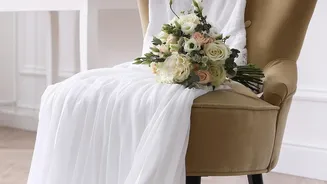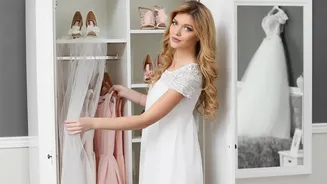


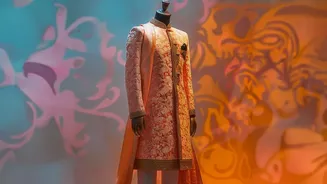
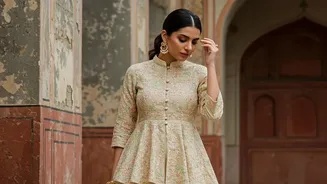
The era of buying a pricey outfit for a single wedding and banishing it to the back of the closet is officially over. Younger generations are leading a quiet revolution, transforming occasionwear from a disposable luxury into a sustainable statement.
The Sustainability Imperative
For Gen Z and younger Millennials, environmental consciousness is not a trend; it's a core value. This generation grew up with a keen awareness of the fashion industry's colossal waste problem and its contribution to global emissions. The concept of 'fast fashion'—cheaply made, trend-chasing garments designed to be worn a few times and discarded—has extended to occasionwear, creating a cycle of overconsumption for events. In response, younger consumers are actively seeking alternatives. This includes favouring brands that use sustainable materials like organic cotton, linen, and Tencel, or those that utilize deadstock fabrics to reduce waste. The goal has shifted from simply owning a new dress to investing in pieces with longevity and a smaller environmental footprint.
Smarter Economics in a Post-Extravagance Era
Beyond ethics, practicality is a powerful motivator. With the rising cost of living and significant financial pressures, spending a substantial amount on an outfit for a single event is no longer feasible or desirable for many. Younger generations are famously value-driven, adept at researching prices and finding cost-effective solutions without sacrificing style. This financial prudence is a major driver behind the move away from ownership. Why buy a designer dress for one night when you can rent it for a fraction of the cost? This mindset has fueled the explosive growth of the online clothing rental market, which is projected to reach over USD 3.3 billion by 2034. For many, saving money for long-term goals like buying a house takes precedence over a one-day outfit.
The Rise of the Circular Wardrobe
The rejection of single-use clothing has given rise to the 'circular wardrobe', a concept built on renting, thrifting, and re-wearing. Rental services for wedding attire are booming, with the market expected to nearly double in value by 2034. Platforms like Rent the Runway have normalized borrowing high-end fashion for special occasions, with a significant portion of rentals driven by weddings and formal events. Alongside renting, there's a growing embrace of secondhand shopping, with Gen Z leading the charge in destigmatizing pre-loved clothing. Many now see their closets not as a static collection but as a revolving inventory, where pieces can be bought, worn, and resold. This approach allows for endless variety without the waste and expense of constant purchasing.
Redefining 'Special' with Versatility
The very definition of occasionwear is changing. Instead of a separate category of clothing reserved for special events, younger shoppers are favouring versatile, high_quality pieces that can be dressed up or down. A classic slip dress, a well_tailored blazer, or an elegant midi skirt can be styled differently for a wedding, a dinner party, or even a casual outing. This shift is away from 'costume' dressing and toward building a cohesive, personal style that works for all aspects of life. Gen Z, in particular, values authenticity and self_expression over conforming to traditional dress codes. They want to look like an elevated version of themselves, not a generic 'wedding guest'. This means choosing comfortable, adaptable clothing that feels personal and can be worn again and again.