





From Social Feed to Storefront
For previous generations, social media was for connection and e-commerce sites were for shopping. For Gen Z, they are often one and the same. Platforms like TikTok and Instagram have evolved into powerful hubs for what is known as 'discovery commerce'.
Instead of searching for a specific product, users encounter items organically within their content feeds, often demonstrated by creators they trust. This compresses the traditional shopping funnel—awareness, consideration, and purchase—into a single, fluid experience. Statistics show that a significant majority of Gen Z consumers discover products through mobile channels, with over half making purchases directly through social platforms. Livestream shopping events, in-app checkouts, and shoppable video overlays have transformed passive scrolling into an interactive and immediate transactional experience. This shift is fueled by a preference for authenticity; recommendations from creators often feel more genuine than traditional advertisements, leading to higher trust and engagement.
The In-Game Economy
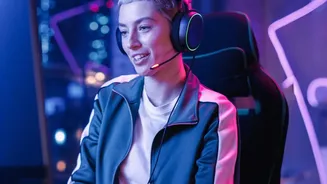
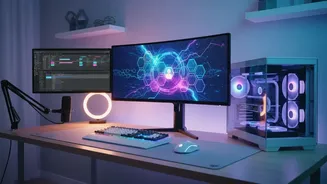
Gaming is no longer just a hobby for Gen Z; it's a primary social space and a burgeoning marketplace. A vast majority of this generation identifies as gamers, spending a significant portion of their free time and disposable income within virtual worlds like Fortnite and Roblox. However, the spending isn't just on the games themselves. The real economic engine is the trade of digital goods. This includes cosmetic 'skins' that customize a player's avatar, exclusive in-game items, and virtual perks. For many, a digital avatar is an extension of their real-world identity, and they are willing to spend money to personalize it. Some reports show that Gen Z gamers spend nearly twice as much time with friends in these virtual worlds as they do in person, making these digital spaces central to their social lives. This has created a robust in-game economy where players purchase items not just for a competitive edge, but for status, self-expression, and community belonging.
Patronage in the Creator Economy
Gen Z's relationship with content creators goes beyond passive consumption. They are actively funding the creators they admire, creating a new form of digital patronage. Rather than just 'liking' a video, they are subscribing to Patreon accounts, leaving tips on Twitch streams, and buying merchandise to support individuals directly. This generation has a strong preference for content made by creators over studio-produced shows or movies. They value the perceived authenticity and direct connection offered by these personalities. For many in Gen Z, supporting a creator is akin to investing in a small business they believe in. This direct-to-creator spending bypasses traditional media gatekeepers and empowers a new class of digital entrepreneurs. Brands are also adapting, collaborating with creators who have built genuine trust with their audience, as their recommendations are seen as highly credible.
The New Age of Collecting
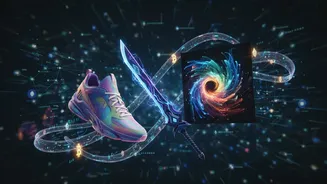
The concept of ownership is also being redefined, extending into the digital and collectible spheres. While the idea of non-fungible tokens (NFTs) introduced digital scarcity to a wider audience, Gen Z's interest in collecting is broad and often blends physical and digital elements. This generation is driving a renewed interest in tangible collectibles like limited-edition sneakers, handbags, and even retired LEGO sets, often viewing them as an asset class. Simultaneously, the digital world offers gamified collecting experiences, where acquiring digital items involves challenges and community engagement. For example, some may collect digital art or wearables for their avatars, while others hunt for vintage gaming consoles or rare toys. This trend reflects a desire for unique items that signify identity and cultural fluency, whether they exist on a shelf or in a virtual inventory.