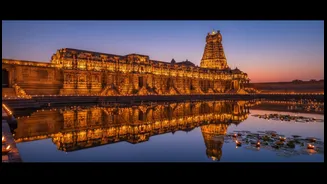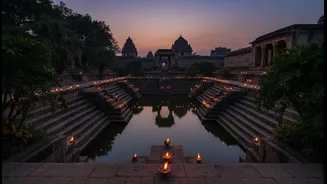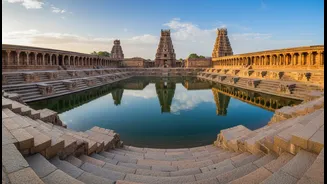




The Triumph of Restoration
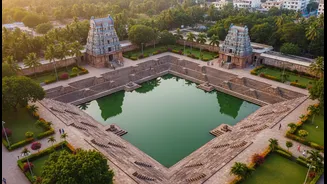
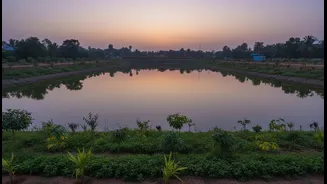
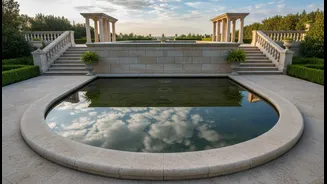
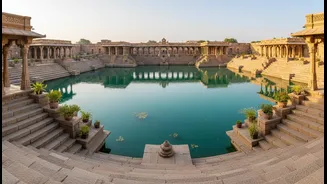
For years, the state of the historic Teppakulam, built by King Thirumalai Nayak, was a source of concern for residents and devotees. The massive 16-acre tank often lay dry, its surroundings marred by garbage and unregulated activity. The annual Float
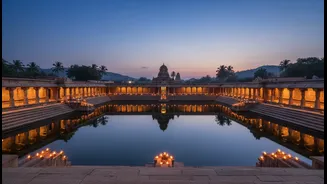
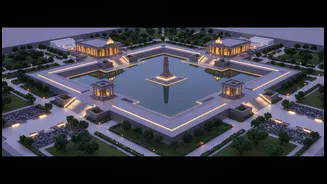
Festival, a cultural highlight, was sometimes performed without water, a ritual disconnected from its purpose. Recent efforts have focused on cleaning the tank, restoring its water supply from the Vaigai River, and beautifying the periphery. Plans are also afoot to further develop the area as a major tourism hub, complete with decorative lighting and infrastructure for cultural events. This restoration is a significant victory for urban renewal and cultural preservation, bringing back the lustre to one of Tamil Nadu’s largest temple tanks.
The Challenge of Public Access
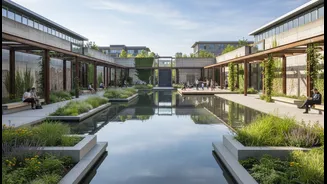
With beautification, however, comes the critical question of access. A renewed public space should serve everyone, from the morning walker to the tourist to the evening visitor. The risk with any major revamp is that it can inadvertently create barriers. As seen in similar projects, the installation of fences, redefined entry points, or an over-emphasis on ticketed events can change the character of a place from an open commons to a restricted venue. Plans to turn the Teppakulam into a more formal event space must be balanced with its traditional role as an accessible landmark for quiet contemplation and community gathering. Ensuring that pathways remain open, seating is available for all, especially the elderly, and the space feels welcoming to every citizen, regardless of their ability to spend money, is paramount. The success of the revamp depends not just on how the tank looks, but on how freely the people of Madurai can continue to enjoy it.
A Commitment to Cleanliness
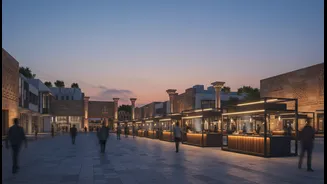
The second, more persistent challenge is maintaining cleanliness. Before the concerted cleanup efforts, the area around the tank suffered from garbage dumping, with leftover food and plastic waste creating an unpleasant environment. This problem was largely linked to the numerous unregulated food stalls and the high volume of visitors on weekends. While initiatives like Swachh Bharat Abhiyan have made strides in Madurai, keeping a high-traffic public space clean requires a sustained, multi-pronged strategy. This includes providing enough dustbins, ensuring regular garbage collection, and fostering a sense of public ownership. Plans to create a designated food street are a step in the right direction, as they aim to regulate vendors and provide proper waste management infrastructure. Without a long-term, well-funded maintenance plan, the newly restored Teppakulam could quickly regress.
Securing Local Livelihoods
Perhaps the most complex issue is the fate of the local livelihoods that depend on the Teppakulam. For decades, the area has been a hub for street vendors selling everything from snacks and tea to local crafts. These small businesses are a vital part of the local economy, with most vendors being natives of Madurai who rely on this trade. The push for a cleaner, more organised tourist hub often leads to the displacement of these informal traders. Recent proposals suggest relocating the shops and eateries to a new, dedicated food street. While this could solve the cleanliness issue, it must be handled with care. The new location must be viable, the transition must be supported, and the vendors should not be burdened with unaffordable costs. The goal should be to integrate them into the new vision for the Teppakulam, not to eliminate their presence. A truly successful project supports both its physical heritage and the people who give it life.