


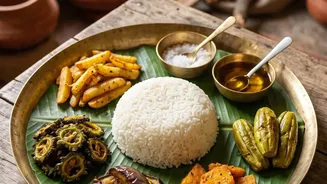
In our modern quest for optimal gut health, we often look to trendy probiotic supplements. But what if the most potent solutions are not new at all, but rather hidden in plain sight within India's rich culinary traditions?
The Modern Digestive Dilemma
Today's fast-paced lifestyle,
often accompanied by stress and a diet high in ultra-processed foods, can take a toll on our digestive system. These modern dietary patterns, typically low in fiber and high in sugar and unhealthy fats, are known to disrupt the delicate balance of our gut microbiome—the community of trillions of microbes living in our digestive tract. This imbalance, or dysbiosis, can lead to common complaints like bloating, gas, and constipation, and is even linked to broader health issues like weakened immunity and inflammatory conditions.
Ancestral Wisdom for a Healthy Gut
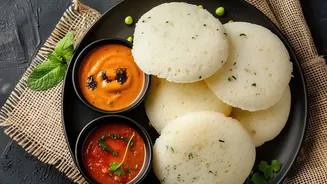
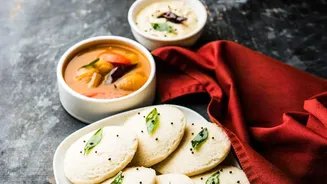
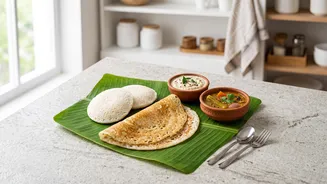
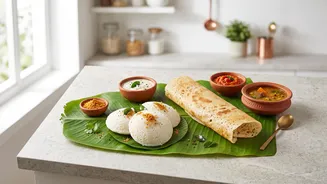
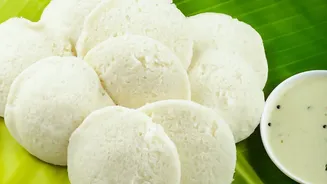
Long before the terms 'probiotic' and 'microbiome' entered our vocabulary, ancient Indian food systems were built on a deep, practical understanding of gut health. Fermentation was not just a method of preserving food in a warm climate; it was a cornerstone of creating nutrient-dense, easily digestible meals. Across the country, from the fluffy idlis and dosas of the South to the tangy kanji of the North, our ancestors perfected techniques that transformed simple ingredients into powerhouse foods for digestive wellness. This traditional wisdom, passed down through generations, is now being validated by modern science.
The Science of Fermentation
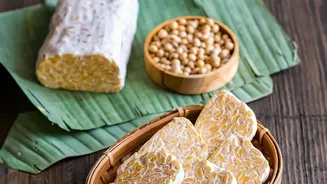
So, what exactly happens when food is fermented? In simple terms, fermentation is a natural process where beneficial microorganisms like bacteria and yeast break down the carbohydrates in food. This process does several remarkable things. First, it populates the food with probiotics—live, healthy bacteria that help balance your gut flora. Second, it 'pre-digests' the food, breaking down complex starches and proteins, making it much easier for our bodies to absorb. This also neutralises 'anti-nutrients' like phytic acid found in grains and legumes, unlocking more vitamins and minerals like iron and B vitamins for absorption.
India's Probiotic Pantry
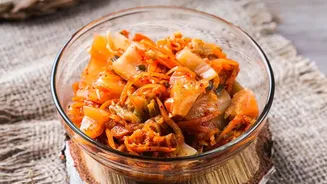
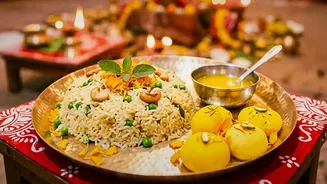
India's diverse cuisine offers a wealth of fermented options. The most famous are idli, dosa, and dhokla, which are made from a batter of rice and lentils or chickpea flour that is fermented overnight. This process not only gives them their characteristic light texture and tangy flavour but also makes them incredibly easy to digest and rich in B vitamins. Another powerful example is Kanji, a traditional North Indian drink made from fermented black carrots or beetroot, which is packed with probiotics. Even staples like homemade curd (dahi) and naturally fermented pickles (achar) serve as daily sources of gut-friendly bacteria that support digestion and immunity.
More Than Just Digestion
The benefits of a healthy gut, supported by fermented foods, extend far beyond just smooth digestion. With nearly 70% of the immune system located in the gut, a balanced microbiome is crucial for robust immunity. Studies have shown that a diet rich in fermented foods can increase microbial diversity and reduce markers of inflammation in the body, which are linked to numerous chronic conditions. The probiotics and other compounds produced during fermentation help strengthen the gut lining, which acts as a barrier to prevent harmful pathogens from entering the bloodstream.