







The Danger Zone Explained
The core of all food safety revolves around a simple concept: the 'Temperature Danger Zone'. According to food safety authorities like the USDA, this is the temperature range between 4°C and 60°C (40°F and 140°F). Within this zone, harmful bacteria such
as E. coli and Salmonella can multiply at an alarming rate, sometimes doubling in number in as little as 20 minutes. When cooked food sits at room temperature, it enters this danger zone. In the heat of an Indian summer, where room temperatures can easily be above 30°C, this bacterial growth happens even faster. This is why leaving leftovers out for extended periods is one of the leading causes of foodborne illnesses, which can range from an upset stomach to more severe health complications.
The Two-Hour, One-Hour Rule
Food safety experts have a clear guideline: perishable food should not be left at room temperature for more than two hours. However, this window shrinks dramatically in warmer conditions. If the ambient temperature is above 32°C (90°F), that safety window is reduced to just one hour. This rule applies to the entire time the food is in the danger zone, including the time it sits on the dining table during a meal. After this period, the risk of bacterial contamination increases significantly. It is crucial to discard any perishable food left out beyond this time frame to ensure safety.
The Smart Way to Store Leftovers
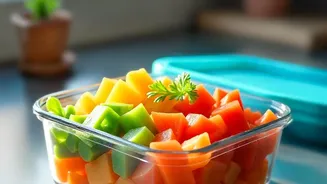
The mistake many people make is putting a large, hot container of food directly into the fridge. A large mass of food cools slowly, meaning the centre can remain in the temperature danger zone for hours, allowing bacteria to thrive. The correct and safer method is to divide leftovers into smaller, shallow containers. This allows the food to cool down much more quickly and evenly, moving it through the danger zone as fast as possible. Using clean, airtight containers is also essential to prevent cross-contamination from other foods in your refrigerator. The Food Safety and Standards Authority of India (FSSAI) also emphasizes keeping raw meats and cooked foods separate in the fridge to avoid the spread of harmful bacteria.
Reheating: Do It Right, and Only Once
The headline's advice—keeping food cold until the individual serving is needed—is most critical when it comes to reheating. Every time a large container of leftovers is taken out of the fridge, its temperature rises, creating another opportunity for bacterial growth. The FSSAI specifically advises against reheating the same batch of food multiple times. Instead, you should only take out and reheat the portion you intend to eat immediately. A common myth is that reheating will kill any germs and make the food safe again. While reheating food to a steaming internal temperature of 74°C (165°F) will kill active bacteria, it will not eliminate the heat-resistant toxins that some bacteria, like Staphylococcus aureus, leave behind. These toxins can cause food poisoning even after the bacteria are dead. Therefore, the best practice is to reheat each portion thoroughly, just once, and discard any subsequent leftovers from that portion.