







The Allure of the Slow Steep
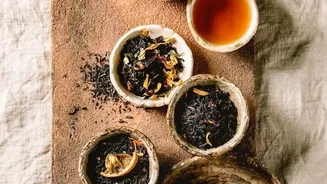
Unlike traditional iced tea, which is brewed hot and then cooled, cold brew tea never sees a kettle. The process is simple: tea leaves are steeped in cold water for an extended period, typically between eight to twelve hours in the refrigerator. This
gentle, slow extraction works magic on the leaves. Hot water can quickly draw out tannins, chemical compounds that contribute to bitterness and astringency. Cold brewing, by contrast, extracts fewer tannins, resulting in a drink that is remarkably smooth, naturally sweeter, and less acidic. This method allows the more subtle, delicate flavour notes of the tea to come forward, creating a clean, crisp, and deeply refreshing beverage without the need for added sugar or other flavourings.
A Treasure from the Blue Mountains
While Assam and Darjeeling often dominate the conversation around Indian tea, the Nilgiri region in South India produces some of the world's most aromatic and balanced teas. Grown in the 'Blue Mountains' of Tamil Nadu, Nilgiri tea is known for being exceptionally fragrant, with a smooth, mellow taste and a brisk, clean finish. Unlike its northern counterparts, much of the tea here is plucked year-round, ensuring a consistent freshness. What truly makes Nilgiri tea a star for cold brewing is its low astringency and natural sweetness. It rarely becomes bitter, even with longer steeping times, and it has a unique ability to remain crystal clear when chilled, avoiding the cloudiness that can plague other iced black teas. Its inherent floral and fruity notes make it the perfect canvas for creative infusions.
The Art of the Perfect Pairing
The magic of these blends lies in the thoughtful combination of Nilgiri tea's character with fruits that grow in the same regional ecosystem. The Western Ghats are home to a bounty of produce, offering a palette of flavours to complement the tea. The key is balance. The natural brightness of Nilgiri tea, which often carries citrusy undertones, pairs beautifully with both sweet and tart fruits. For a vibrant, zesty blend, citrus fruits like oranges or the unique tartness of tree tomatoes (tamarillos) work wonders. For a sweeter, more fragrant profile, fruits like passion fruit, peaches, and plums are excellent choices. The rich sweetness of mango or the floral notes of lychee and mangosteen, found on the Nilgiri foothills, can create a truly tropical and luxurious infusion. These fruits don't just add flavour; they enhance the tea's natural characteristics, creating a beverage that is a true expression of its origin.
Crafting a Symphony of Flavours
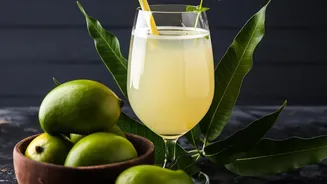
Creating a successful cold brew blend is both a science and an art. The process begins with high-quality, full-leaf Nilgiri tea, which provides the robust yet smooth foundation. Fresh, ripe fruit is then chosen to complement the tea's profile. Sliced peaches or muddled strawberries can be added directly to the steeping vessel, allowing their juices to mingle slowly with the tea. For a more intense citrus note, the peel of an orange or the juice of a passion fruit can be introduced. A popular combination might involve Nilgiri black tea cold-brewed with slices of fresh mango and a sprig of mint, creating a drink that is both sweet and invigorating. Another might feature the delicate floral notes of a Nilgiri green tea infused with the tartness of local plums. The result is a multi-layered drink where the tea's aroma and the fruit's sweetness are perfectly intertwined, offering a sophisticated and deeply satisfying taste experience.