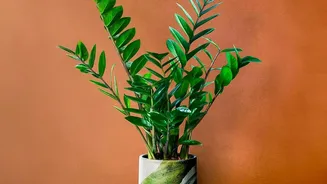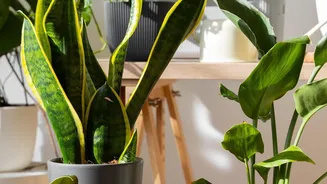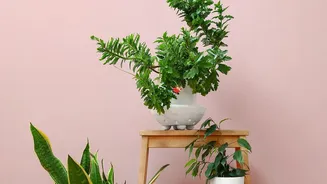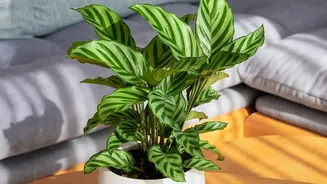




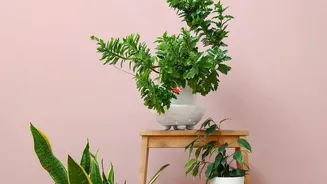


The Legend of the NASA Study
The idea that houseplants are powerful air purifiers largely stems from a landmark 1989 NASA study. Researchers, looking for ways to clean the air in sealed environments like space stations, placed common houseplants in small, sealed chambers and introduced
volatile organic compounds (VOCs) like benzene and formaldehyde. They found that plants could indeed remove a significant portion of these pollutants from the air in these controlled settings. This exciting discovery was widely publicised, launching the enduring belief that a few green friends could effectively scrub our indoor air of harmful toxins.
A Reality Check on Lab Conditions
The catch, however, lies in translating those lab results to the real world. The NASA study was conducted in small, sealed plexiglass chambers, an environment vastly different from a typical home or office. Our homes have much larger air volumes and are not airtight. There's constant air exchange with the outdoors through windows, doors, and ventilation systems. Pollutants from furniture, cleaning products, and cooking are also emitted continuously, not just in a single dose as in the experiments. These factors dramatically dilute any effect a plant might have.
The Numbers Don't Add Up
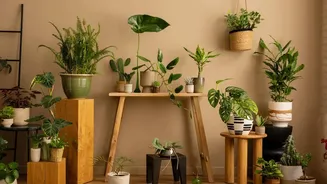
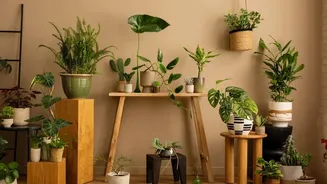
More recent scientific analyses have put the NASA findings into perspective. A 2019 meta-analysis reviewed decades of research and did the maths for a real-world setting. The conclusion was startling: to achieve the air-cleaning effects seen in the lab, you would need an impractically large number of plants. Estimates suggest you would require anywhere from 10 to 1,000 plants per square metre of floor space to compete with a building's natural air exchange rate. For a standard 1,500-square-foot home, that could mean having over 680 plants to make a noticeable impact on air quality.
The Real, Proven Benefits of Plants
So, should you get rid of your leafy companions? Absolutely not. While they may not be the air-purifying workhorses we once thought, the proven benefits of indoor plants are numerous and significant. Studies have consistently shown that the presence of plants can reduce stress, improve mood, and boost concentration and productivity. The act of caring for a plant can be therapeutic, fostering mindfulness and reducing anxiety. They also add humidity to dry indoor air and, of course, bring natural beauty and a sense of calm to our living spaces, a concept known as biophilia.
How to Actually Improve Air Quality
If you're serious about cleaning your indoor air, there are far more effective strategies than relying on plants alone. The most impactful step is to reduce pollutants at their source by choosing low-VOC paints and furnishings. Secondly, ensure good ventilation. Regularly opening windows and using exhaust fans in kitchens and bathrooms can dramatically improve air quality. For a more robust solution, consider using a high-quality air purifier with a HEPA filter, which is designed to capture airborne particles and pollutants effectively. Think of plants as a wonderful supplement to these primary strategies, not a substitute for them.