





The Rise of Relationship Coffee
For years, much of India's coffee was sold as a commodity, with little connection between the farmer and the final consumer. But a new wave is cresting, driven by specialty roasters who are skipping the middlemen and building direct relationships with coffee growers.
This 'direct trade' model is more than just a sourcing strategy; it's a partnership. Roasters gain access to high-quality, traceable beans, and farmers receive fair prices that reflect the quality of their crop, not volatile market prices. This stability empowers them to invest back into their farms and communities. The result is a cycle of improvement: better pay incentivises farmers to focus on excellence, which leads to better coffee. This shift is moving Indian coffee from the back of the shelf to the global spotlight.
Chikmagalur: Where Tradition Meets Experiment
Chikmagalur, the birthplace of Indian coffee, is a landscape of tradition. For generations, families have cultivated coffee under a diverse canopy of shade trees, often intercropping with spices like pepper and cardamom. This age-old practice of shade-grown farming protects the delicate Arabica cherries, enriches the soil, and promotes biodiversity. Today, specialty roasters are partnering with these estates, not to change tradition, but to build upon it. By guaranteeing to buy the crop at a premium, roasters give farmers the security to experiment with advanced processing methods. Techniques like honey fermentation and carbonic maceration, which require intense care and precision, are now more common. These methods unlock complex flavour profiles of chocolate, spice, and fruit that were previously hidden, transforming the classic Chikmagalur bean into something new and exciting.
Araku Valley: Coffee as a Tool for Empowerment
In the Eastern Ghats, the Araku Valley presents a different but equally powerful story of collaboration. Here, coffee cultivation was introduced to provide a sustainable livelihood for local tribal communities. For decades, however, farmers were at the mercy of middlemen. The change came through farmer-producer organisations and non-profits, which helped create cooperatives. These collectives now work directly with roasters, ensuring transparent pricing and eliminating intermediaries. The focus is on organic and regenerative farming, restoring the region's biodiversity. Roasters and support organisations provide crucial training in everything from good agricultural practices to advanced post-harvest processing. This partnership has transformed the lives of thousands of farmers, turning Araku's organic Arabica into an award-winning coffee and a global brand that is owned by the community that grows it.
The Tangible Taste of Teamwork
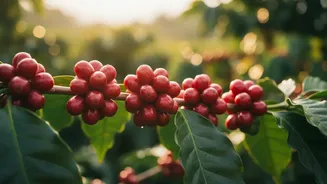
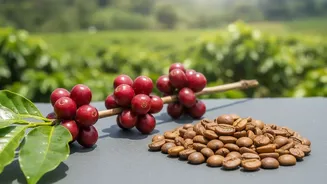
So, what does this collaboration actually mean for your cup? Everything. When a farmer is paid well for picking only the ripest red cherries, the resulting coffee is sweeter and more flavourful. When a roaster and farmer work together to pioneer a new fermentation technique, it can introduce vibrant notes of fruit and florals that were never before associated with Indian coffee. This hands-on partnership allows for constant feedback and improvement. Roasters can explain the exact flavour profiles they seek, and farmers, with their deep knowledge of the land, can fine-tune their methods to achieve them. It's a shared investment in quality that you can taste with every sip, connecting you directly to the farm, the farmer, and the specific ecosystem where the beans were grown.