





A Gift from Halley's Comet
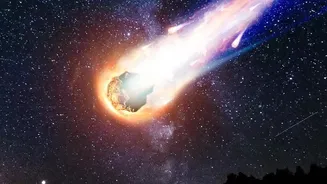
The Orionid meteor shower isn't just a random display of shooting stars; it has a legendary origin. These meteors are actually tiny fragments of dust and ice shed by the most famous comet of all: 1P/Halley. Every year around this time, Earth passes through
the orbital path of Halley's Comet, and this trail of ancient debris burns up in our atmosphere, creating the spectacular streaks of light we call the Orionids. The comet itself only visits the inner solar system every 76 years or so—last seen in 1986 and not due back until 2061—but its legacy provides this beautiful annual show. Think of it as receiving a postcard from a celestial celebrity.
Best Viewing Time and Date in India
Mark your calendars for the night of October 21 and the early morning of October 22, 2026. This is when the Orionid shower is predicted to hit its peak activity. The best time for viewing in India will be in the hours after midnight, ideally between 2 a.m. and the first light of dawn. During this window, the shower's radiant point will be high in the sky, maximizing your chances of seeing meteors. While some years have seen outbursts of over 50 meteors per hour, a more typical peak for the Orionids under perfect dark-sky conditions is around 15 to 25 meteors per hour.
The Challenge of the Moon
This year, viewers will have to contend with a bright obstacle: the Moon. On the peak nights of October 21-22, the Moon will be in a waxing gibbous phase, meaning it will be about 78% illuminated. A bright moon can wash out fainter meteors, significantly reducing the number you'll be able to see. However, there's a silver lining. The Moon will set a few hours before sunrise. This creates a crucial window of darkness in the pre-dawn hours. For the best experience in 2026, plan your viewing session for after the moon has set, when the sky will be at its darkest.
How and Where to Watch
You don’t need a telescope or binoculars to watch a meteor shower; in fact, your naked eyes are the best tool because they offer a wide field of view. The key is to find a location as far away from city lights as possible. Light pollution from cities like Delhi, Mumbai, or Bengaluru can make it nearly impossible to see all but the brightest meteors. Consider heading to a rural area, a dark park, or a high-altitude location like those in Himachal Pradesh or Rajasthan for the clearest skies. Once you're there, lie back on a blanket or a reclining chair, let your eyes adjust to the darkness for about 20-30 minutes, and be patient.
What to Look For
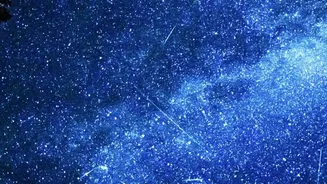
The meteors are called Orionids because they appear to radiate from a point near the constellation Orion, the Hunter. You can easily spot Orion in the eastern sky after midnight, recognizable by its famous three-star belt. While the meteors will seem to originate from this area, they can appear anywhere in the sky, so it's best to look straight up and take in as much of the sky as you can. Orionids are known for their speed, entering the atmosphere at about 66 kilometres per second. This incredible speed means they often leave behind glowing trails or trains of incandescent debris that can linger for a few seconds after the meteor has vanished. Keep an eye out for these persistent, beautiful streaks of light.