







A Giant Leap Frozen in Time
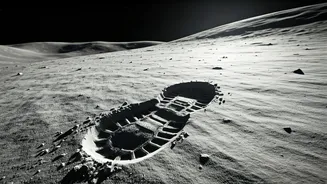
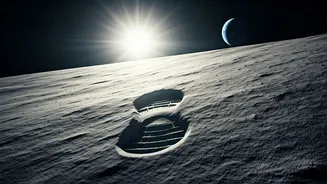
On July 20, 1969, millions on Earth held their breath as Neil Armstrong descended the ladder of the Apollo 11 lunar module. His words, "That's one small step for a man, one giant leap for mankind," were immortalised, as was the footprint he left in the fine,
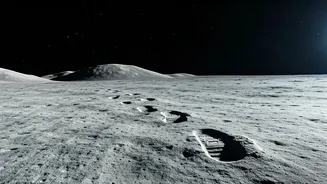
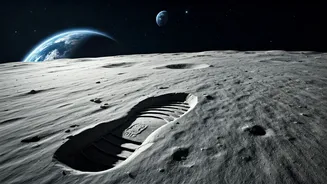
powdery lunar soil, or regolith. Buzz Aldrin followed minutes later, and together they left a series of tracks around their landing site, Tranquility Base. Over the course of six Apollo missions that landed on the Moon, a total of 12 astronauts walked its surface, each leaving behind footprints that tell a story of human exploration. Unlike a footprint on a sandy beach on Earth, these marks didn't vanish in moments. They are still there today, perfectly preserved.
The Moon's Perfect Preservation Chamber
The reason these footprints remain untouched is because the Moon is a profoundly different environment from Earth. The biggest factor is the Moon's lack of a significant atmosphere. Here on Earth, wind and water are powerful erosive forces, constantly weathering down rocks, shifting sand, and erasing our tracks. The Moon has neither. There is no wind to blow the dust away, no rain to wash the prints clean, and no flowing water to alter the landscape. The footprints sit in an almost perfect vacuum, undisturbed by the elements that define planetary life. This absence of weather means that geological and surface changes on the Moon happen on an incredibly slow, almost imperceptible timescale compared to the dynamic environment of our home planet.
Fact-Checking the 'Millions of Years'
This is where we need to separate fact from a common misunderstanding. The astronaut footprints themselves are not millions of years old. They are, as of this writing, just over 50 years old, dating back to the Apollo missions between 1969 and 1972. However, the headline captures a different, more incredible truth: scientists predict these footprints *will last* for millions of years. The claim is about their future longevity, not their current age. Because the forces of erosion are almost non-existent, these shallow impressions in the lunar soil are expected to survive for a staggering length of time, potentially for 10 to 100 million years. They are, in essence, one of the most permanent things humanity has ever created.
The Slowest Form of Erasure
So, if there's no wind or rain, what could possibly erase them? The answer comes from space itself. The Moon is constantly being bombarded by a steady stream of micrometeorites—tiny particles of rock and dust, often no larger than a grain of sand, travelling at tremendous speeds. This process is known as 'space weathering.' Each tiny impact churns the top layer of the lunar regolith, acting like a very, very slow form of sandblasting. Over millions of years, this gentle but relentless 'gardening' of the soil will gradually smooth over the sharp edges of the footprints, eventually blending them back into the surrounding landscape. The Sun's radiation also plays a minor role in breaking down the soil. But this process is so slow that the footprints are destined to outlast every single structure on Earth.
A Silent Monument to Humanity
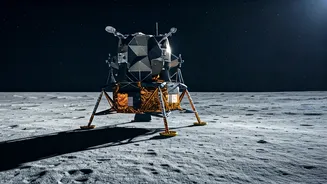
These footprints, along with the equipment left behind like lunar rovers and descent stages, are more than just physical artifacts. They are a protected heritage site. NASA has created guidelines to protect these historic landing zones, urging future missions—whether governmental or commercial—to avoid disturbing them. They represent a unique moment in history when humanity first stepped off its home world and onto another celestial body. The fact that they will remain there, silent and unchanged for millions of years, is a poignant and powerful symbol. They are a message to the distant future, a testament to what we can achieve when we aim for the stars.