



The Biggest Change: Electronic Travel Authorisation (ETA)
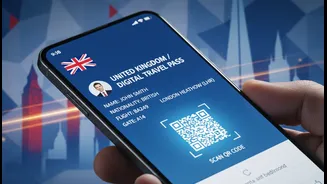
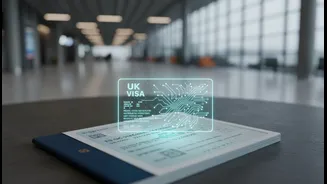
The centrepiece of the UK's new digital border is the Electronic Travel Authorisation (ETA) scheme. It's a mandatory digital permission to travel for foreign nationals who do not need a visa for short stays, including tourists and business visitors from
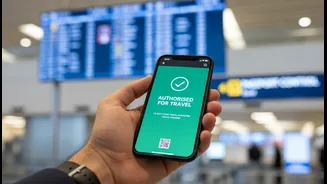
countries like the US, Canada, Australia, and all EU nations. It's crucial to understand that an ETA is not a visa; it's a pre-screening that authorises you to travel to the UK. Without an approved ETA linked to your passport, airlines will deny you from boarding your flight. The system is being rolled out in phases and is designed to strengthen border security by vetting travellers before they arrive.
Applying for Your ETA: A Simple Digital Process
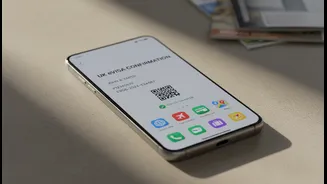
Getting an ETA is designed to be a quick, mobile-first process. The easiest way to apply is through the 'UK ETA' app, available on both Android and Apple app stores. You'll need your passport, a valid email address, a credit or debit card, and a smartphone capable of taking a photo. The application involves uploading a photo of your passport, scanning your face for biometric verification, and answering a few questions about your travel and any criminal history. The fee is currently £10 per applicant, and you must apply for each traveller individually, including children. While most decisions are delivered within minutes, it's recommended to apply at least three working days before you travel to account for any potential delays.
Your Phone as Your Digital Boarding Pass
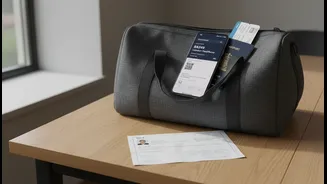
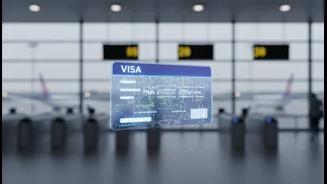
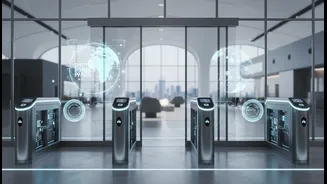
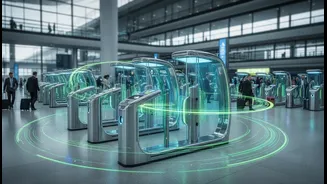
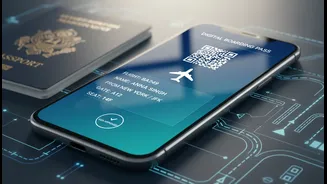
Once approved, your ETA is digitally linked to the passport you used for the application. There's nothing to print out. This digital link is what allows carriers to confirm you have permission to travel. Upon arrival in the UK, this same digital link facilitates a smoother journey through the airport. Many ETA holders will be eligible to use the automated ePassport gates. These gates use facial recognition technology to match your face to the photo in your chipped passport, theoretically speeding up the entry process significantly. This system is part of a broader push towards a more 'contactless' and secure border.
Beyond the Border: Your Entire Trip is on Your Phone
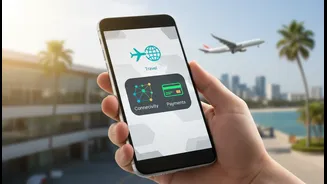
The phone's central role doesn't end at passport control. For any traveller in the UK, a smartphone is now an indispensable tool. Apps like Citymapper and Google Maps offer real-time navigation for complex public transport networks, especially in cities like London. The Trainline app is essential for booking and storing national rail tickets, while the TfL Go app is a must for navigating London's Tube, buses, and trams. Contactless payments via phone (like Apple Pay or Google Pay) are almost universally accepted on public transport and in shops, often being more convenient than cash or even physical cards. From booking a last-minute restaurant table with OpenTable to checking the notoriously unpredictable weather on the Met Office app, your phone is your pocket-sized concierge for the entire duration of your stay.
The New Rules of Travel
This shift to a digital-first system brings both benefits and new responsibilities for travellers. The primary advantage is enhanced security and the potential for a faster, more streamlined experience at the border. However, it also introduces potential hurdles. A reliance on technology means travellers must ensure their phones are charged and functional. Issues like a dead battery, a forgotten password, or a technical glitch with an app could cause significant stress. It also places the onus squarely on the traveller to complete all digital prerequisites correctly and in advance. Forgetting to apply for an ETA or making a mistake on the application could derail a trip before it even starts. The new reality is that preparation is no longer just about packing, but also about ensuring your digital house is in order.