







The Shifting Fitness Landscape
A quiet but powerful shift is reshaping India's relationship with fitness. The traditional gym, once the undisputed hub for serious exercise, is no longer the only option. An increasing number of Indians are building strength, muscle, and confidence from
the convenience of their own homes. This trend, accelerated by the pandemic, has now matured into a significant movement democratizing fitness. It's particularly impactful for strength training, a discipline often perceived as intimidating or exclusive to dedicated gyms with heavy equipment. Now, from bustling metros to Tier-2 and Tier-3 cities, people are proving that a barbell isn't a prerequisite for getting stronger. This change is driven by a desire for convenience, affordability, and a more personal approach to health that fits into the realities of modern Indian life.
Digital Gurus and Virtual Gyms
At the heart of this home-based revolution is a thriving digital ecosystem. A new generation of Indian fitness influencers and online coaches has emerged, using platforms like YouTube and Instagram to deliver expert guidance to millions. Creators like Rohit Khatri and 'Fit Girl' Soniya Singh Khatri provide detailed workout routines, nutrition advice in local languages, and form correction tips, making specialized knowledge accessible. Beyond individual creators, Indian fitness apps such as Cultfit, Fittr, and Healthify have become comprehensive platforms offering everything from live High-Intensity Interval Training (HIIT) classes to personalized strength programs and calorie tracking tailored to Indian diets. These digital tools offer the structure and accountability of a personal trainer at a fraction of the cost, filling a crucial gap for those without access to or the budget for a physical gym.
Empowering a New Wave of Lifters
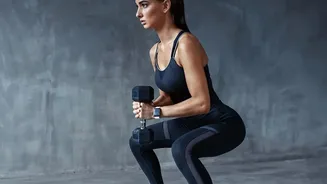
One of the most significant impacts of the home workout trend is its role in empowering women to embrace strength training. Historically, the weights section of a gym could be an intimidating space, but the privacy of home has removed this barrier. The conversation around fitness for women is changing from simply 'getting slim' to a more empowering goal of 'getting strong'. This shift is celebrated by trainers and health experts who note the immense benefits of strength training for women, including improved bone density, better hormonal health, and enhanced mental confidence. As more women share their progress online, they are normalizing athletic bodies and inspiring others to pick up weights, creating a virtuous cycle of motivation and support.
The Rise of the Home Gym
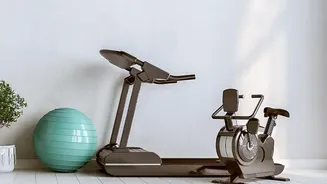
The increasing interest in home workouts has fueled a booming market for fitness equipment in India. The market, valued at over USD 872 million in 2025, is projected to grow significantly as more people invest in creating their own fitness spaces. While cardiovascular machines like treadmills remain popular, there's a growing demand for strength-focused gear like dumbbells, kettlebells, and resistance bands. This trend is not just about convenience; it's a reflection of a deeper commitment to long-term health. Even government initiatives like the Fit India Movement have indirectly supported this by fostering a national conversation around wellness and encouraging an active lifestyle.
Challenges on the Home Front
Despite its many advantages, the path of home fitness is not without its obstacles. Maintaining motivation without the social environment of a gym can be difficult. Distractions at home, from family to household chores, can easily derail a workout. There's also a higher risk of injury if proper form isn't followed, making guidance from credible online sources crucial. Another key challenge is progressive overload—the principle of continually increasing the demands on your muscles. At home, this can be limited by a lack of heavier weights or varied equipment, potentially leading to plateaus in progress.