


Why Your Daily Rice Could Use a Partner
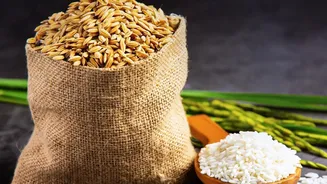
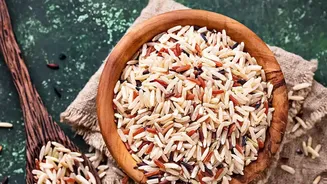
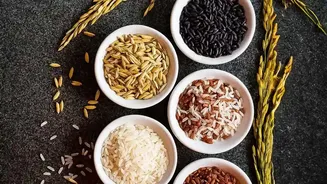
White rice is a beloved comfort food and a quick source of energy. During processing, its outer husk, bran, and germ are removed to give it a softer texture and longer shelf life. Unfortunately, this process also strips away most of its natural fibre,
vitamins, and minerals. What’s left is primarily starch, which can cause a rapid spike in blood sugar levels after a meal. While there's no need to banish white rice entirely, pairing it with a more nutrient-dense partner can significantly upgrade your meal's nutritional profile, making it a more balanced and beneficial part of your diet.
The Power of Adding More Fibre
Fibre is a crucial nutrient that many of us don't get enough of. Increasing your intake has several key benefits. Firstly, it aids digestion and promotes regular bowel movements, helping to prevent constipation. Secondly, high-fibre foods help you feel full for longer, which can assist with weight management. For those concerned about blood sugar, soluble fibre slows down the absorption of sugar, leading to more stable energy levels. Studies have also shown that a diet rich in fibre can help lower cholesterol and reduce the risk of heart disease.
Meet the Ancient Grains: Your New Best Friends
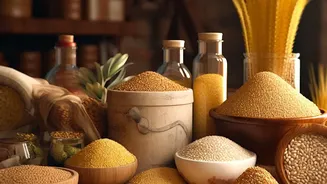
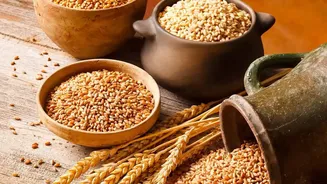
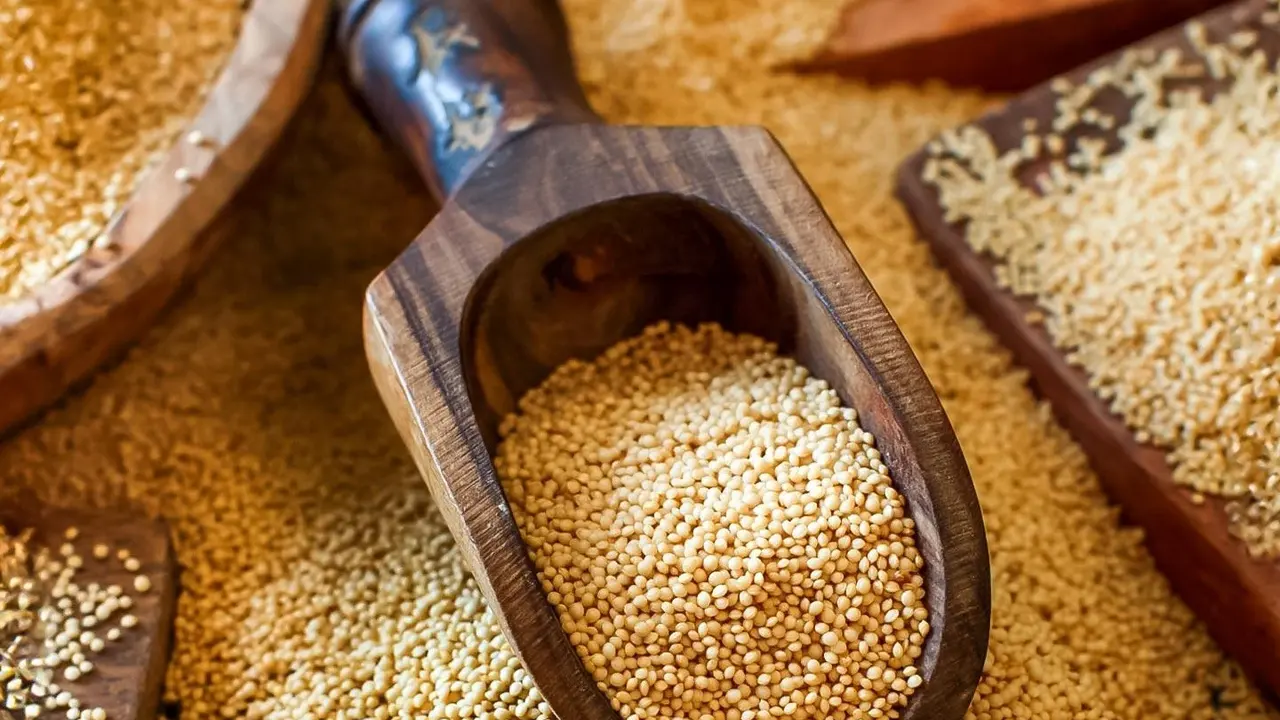
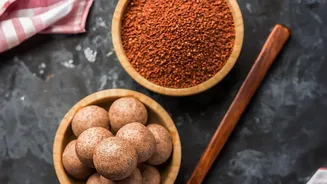
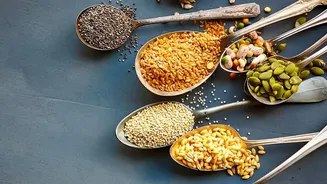
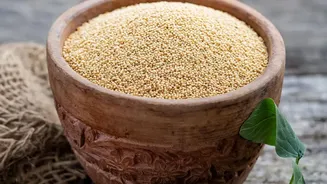
So, what are these 'ancient grains'? The term generally refers to grains that have been cultivated for centuries without significant changes. For Indian kitchens, this includes familiar faces like jowar (sorghum), bajra (pearl millet), ragi (finger millet), and others like foxtail and kodo millets. Quinoa, though technically a seed, is also grouped here and celebrated for being a complete protein. Compared to white rice, these grains are nutritional powerhouses. Millets, for example, can contain three to five times more fibre than white rice. They are also significantly richer in essential minerals like iron, calcium, and magnesium, which are vital for preventing anaemia and maintaining strong bones.
How to Make the 50/50 Swap Work
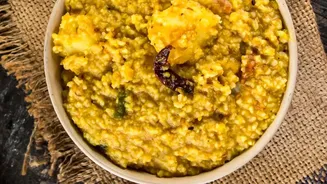
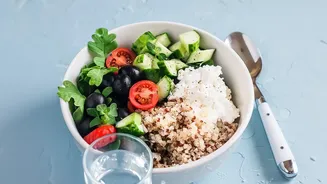
The idea is simple: when you cook rice, use one part white rice and one part ancient grain. Start with millets like little millet or foxtail millet, as they have a mild flavour and cook similarly to rice. The key is the water ratio. Millets often require slightly more water than rice. A good starting point is a 1:2 ratio of grain to water (for every one cup of your rice-millet mix, use two cups of water). For a softer texture, you can increase the water slightly. Simply rinse your rice and chosen millet together, add the water, and cook as you normally would in a pressure cooker or pot. Soaking the mix for about 30 minutes before cooking can also improve the texture. You'll find the resulting blend has a slightly nuttier, more satisfying texture that works beautifully in everything from plain rice to lemon rice and pulao.
Beyond Fibre: More Reasons to Make the Switch
The benefits of this simple swap extend far beyond just fibre. Ancient grains generally have a lower glycemic index (GI) than white rice, which means they raise blood sugar more slowly. This is particularly beneficial for managing energy levels and is an important consideration for individuals with diabetes. Moreover, many ancient grains offer a better protein profile. Quinoa contains about double the protein of white rice, and many millets also provide a significant protein boost. By diversifying the grains on your plate, you're not just adding fibre; you're introducing a wider array of vitamins, minerals, and phytonutrients that support everything from gut health to your immune system.