






The Meaning of 'Single-Origin'
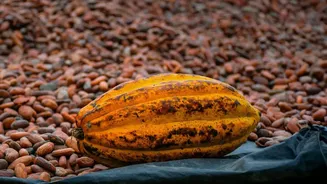
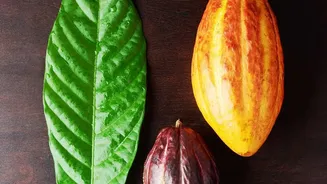
Think of it like fine wine or specialty coffee. 'Single-origin' means the cacao beans come from one specific farm, region, or country. This focus on 'terroir'—the unique environment where the beans are grown—is a world away from mass-produced chocolate,
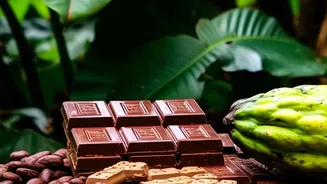
which blends beans from various sources for a uniform taste. Artisanal makers who use single-origin beans celebrate the distinct, complex flavour profile that the soil, climate, and surrounding crops of a specific place impart to the cacao. This bean-to-bar approach gives chocolatiers greater control over quality and allows them to highlight the unique character of the beans, from sourcing to the final bar.
South India's Cacao Belt
The southern states of India, particularly Kerala, Karnataka, Andhra Pradesh, and Tamil Nadu, provide an ideal hot and humid climate for cacao cultivation. Historically, cacao has been grown here for decades, but often overshadowed by other crops. What makes this region special is the common practice of intercropping, where cacao trees grow in the shade of coconut, areca nut, pepper, and banana plantations. This biodiversity has a subtle but significant influence on the cacao's flavour. Beans from Kerala might have fruity and spicy notes, while those from Karnataka can taste nuttier. This results in a chocolate that tells the story of its origin.
The Bean-to-Bar Artisans
A growing community of Indian chocolate makers is driving this new wave. Brands like Manam, Paul & Mike, Soklet, and Naviluna (formerly Earth Loaf) are transforming the landscape. These artisans work directly with farmers, often paying a premium for high-quality beans and collaborating on crucial post-harvest processes like fermentation and drying. By managing every step of the process in-house, they can create chocolates that express the nuanced flavours of their origin, a stark contrast to simply melting and moulding bulk chocolate. Many are also experimenting with distinctly Indian flavour pairings, from temple-inspired camphor notes to spicy podi masala.
A Better Deal for Farmers
The craft chocolate movement isn't just about taste; it's also about creating a more sustainable and ethical supply chain. By sourcing directly from farmers, bean-to-bar makers ensure that growers receive fair compensation for their premium produce, improving their livelihoods. This direct relationship fosters trust and encourages farmers to focus on quality over quantity. In an era of global cocoa shortages and price volatility, this model provides stability for farmers and helps preserve the agricultural heritage of the region. Some farmers are even becoming 'farm-to-bar' makers themselves, capturing more of the value they create.
An Evolving Indian Palate
This confectionery revolution is being met by an increasingly curious Indian consumer. Much like the trends seen with specialty coffee and craft gin, there is a growing appreciation for products with a clear story of origin and quality. Consumers are moving beyond overly sweet milk chocolates and developing a taste for the complex, bittersweet notes of high-quality dark chocolate. Searches for chocolates with specific cacao percentages are rising, indicating a more educated and discerning customer base. This shift in preference is fueling the demand for premium, locally-sourced, and ethically-produced chocolates, proving that the Indian palate is ready for a more sophisticated experience.