






What Are the New PUC Validity Rules?
The Ministry of Road Transport and Highways (MoRTH) has amended the Central Motor Vehicles Rules, introducing a new framework for PUC certificate validity that primarily affects vehicles compliant with Bharat Stage-VI (BS-VI) norms. Notified on November
13, 2026, the changes link the renewal frequency to a vehicle's age and whether it is for private (non-transport) or commercial (transport) use. For older emission standard vehicles, the rules have also been standardized across the country. For all vehicles complying with BS-I, BS-II, and BS-III norms, the PUC certificate is now valid for three months. The validity for all BS-IV vehicles, both private and commercial, has been set to six months nationwide.
New Rules for BS-VI Private Vehicles
Owners of private, non-transport BS-VI vehicles will see the most significant changes. Under the revised rules, these vehicles now fall into three brackets based on their age from the date of first registration. For vehicles up to six years old, the PUC certificate is valid for three years, a substantial extension from the previous one-year validity. For those aged between six and ten years, the validity remains one year. However, for private BS-VI vehicles older than ten years, the renewal frequency increases, with the certificate's validity reduced to six months.
Revised Norms for BS-VI Commercial Vehicles
The rules for BS-VI commercial or transport vehicles have also been updated based on age. For transport vehicles up to six years old, a new PUC certificate will be required every two years. Those that are more than six years old but not more than ten years old will need to renew their certificate annually. For transport vehicles older than ten years, the rule remains unchanged; they must obtain a fresh PUC certificate every six months. These measures aim to ensure that older commercial vehicles, which typically have higher usage, are tested more frequently.
The Push for a Unified System
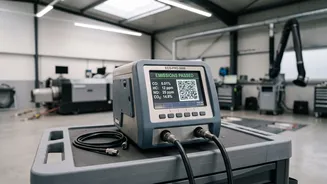
Beyond changing validity periods, the Centre has been working to create a standardized, tamper-proof PUC system nationwide. This involves linking the PUC database to the National Register. New certificates feature a QR code containing details of the owner, vehicle, and emission status, allowing enforcement agencies to verify authenticity easily. For privacy, personal details like engine and chassis numbers are partially masked. Furthermore, the system now includes a provision for a 'rejection slip', which is issued if a vehicle fails the emission test, specifying the reason for failure.
How to Get and Renew Your Certificate
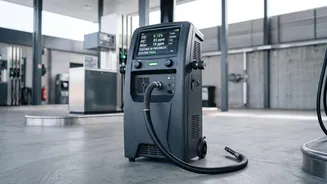
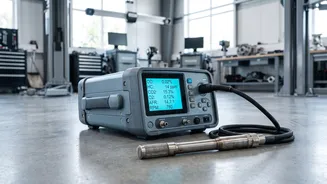
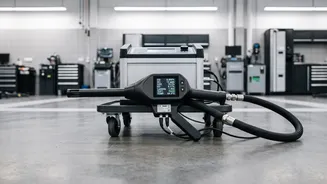
The process for obtaining a PUC certificate remains straightforward. Vehicle owners must take their vehicle to an authorised emission testing centre, often located at petrol pumps or licensed workshops. An operator will insert a probe into the vehicle's exhaust to measure emission levels. If the emissions are within the prescribed limits, a certificate is generated and issued after payment of a nominal fee. While you cannot get a new certificate entirely online, as a physical test is required, you can download a copy of your valid certificate from the official Parivahan portal.
Penalties for Non-Compliance
Driving a vehicle without a valid PUC certificate is a punishable offence under Section 190(2) of the Motor Vehicles Act. The penalty can be severe, with fines reaching up to ₹10,000, imprisonment for up to six months, or both. In some instances, authorities may also suspend the driver's license for up to three months. It is also critical to note that a valid PUC certificate is mandatory for renewing your vehicle's insurance policy. With automated systems and digital tracking becoming more common, ensuring your vehicle's PUC is always up-to-date is more important than ever.