

Understanding Vegetable Nutrition
Green vegetables are celebrated for their rich content of antioxidants, which are compounds that help protect our bodies from cellular damage. These include well-known vitamins like Vitamin C, as well as compounds like carotenoids and polyphenols. However,
many of these vital nutrients are sensitive. The way you prepare your vegetables can significantly alter their nutritional quality. Factors like heat, cooking time, and exposure to water or oil can either preserve, destroy, or in some cases, even enhance the availability of these compounds. Two of the most important categories to understand are water-soluble vitamins (like B vitamins and Vitamin C) and fat-soluble vitamins (like A, E, and K). This distinction is key to figuring out the best cooking method.
The Case for Steaming
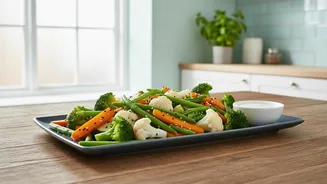
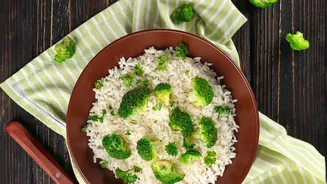
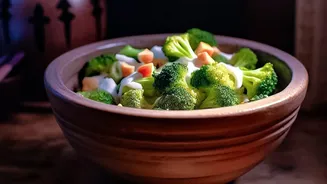
Steaming is often hailed as one of the best ways to cook vegetables while preserving nutrients. The method involves cooking vegetables with hot steam, which means they don't come into direct contact with boiling water. This is crucial for water-soluble nutrients. When vegetables like broccoli or spinach are boiled, a significant amount of their Vitamin C can leach out into the cooking water and be lost when drained. Studies have shown that steaming broccoli, for instance, causes minimal loss of Vitamin C and important compounds called glucosinolates, which are linked to health benefits. Because steaming uses gentle, moist heat and avoids submerging the food, it helps retain not only more vitamins but also the vibrant colour and crisp texture of the greens.
The Stir-Frying Advantage
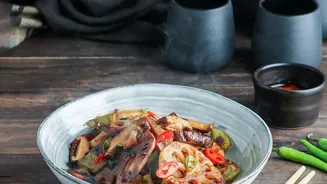
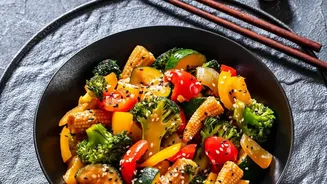
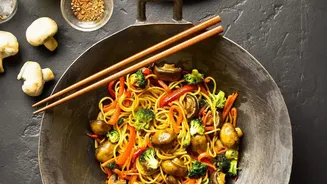
While steaming is a clear winner for water-soluble vitamins, stir-frying has its own set of benefits, particularly when it comes to fat-soluble nutrients. Stir-frying involves cooking vegetables quickly at a high temperature in a small amount of oil. This rapid cooking time can be less destructive to some heat-sensitive nutrients than prolonged boiling. More importantly, the oil used in stir-frying can actually help your body absorb fat-soluble vitamins like Vitamin A (often from beta-carotene, which gives carrots their colour) and Vitamin K, which are abundant in many leafy greens. Research has shown that cooking vegetables like carrots or tomatoes in oil can make compounds like beta-carotene and lycopene more available for your body to use. The heat helps break down the plant's tough cell walls, releasing the nutrients, and the fat helps transport them into your system.
So, Which Method Is Truly Better?
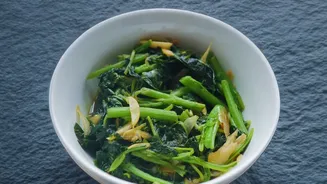
The truth is, there is no single “best” method for all vegetables and all nutrients. The ideal choice depends on what you're trying to maximise. If your goal is to preserve the highest amount of Vitamin C in your broccoli or bell peppers, steaming is an excellent choice. If you are eating leafy greens like kale or spinach and want to boost your intake of fat-soluble vitamins and carotenoids, a quick stir-fry with a healthy oil like olive oil can be more beneficial. Boiling generally results in the most significant nutrient loss, especially for water-soluble vitamins, unless you plan to consume the cooking liquid, as in a soup or stew. Ultimately, both steaming and stir-frying are far better options than boiling and draining your greens.
Practical Tips for Maximum Nutrition
Instead of sticking to just one method, a varied approach is your best strategy. For steaming, use as little water as possible and cook only until the vegetables are tender-crisp to minimise nutrient degradation from over-cooking. For stir-frying, use a heart-healthy oil and keep the cooking time short over high heat. Don't let your vegetables become limp and overcooked. Another great tip is to simply eat a combination of both raw and cooked vegetables. A fresh salad one day and steamed broccoli the next ensures you're getting a wide spectrum of nutrients in their various forms. The most important takeaway is that the benefits of eating more vegetables, regardless of how they are cooked, far outweigh the concerns about minor nutrient losses.