






When your calendar is packed and deadlines are looming, exercise is often the first thing to drop. The intention is there, but energy and time are not. But staying active is crucial for managing stress and boosting productivity. Here's how.
Redefine What Counts as a 'Workout'
The biggest
hurdle for many professionals is the all-or-nothing mindset. If you can't fit in a full hour at the gym, you do nothing. The key to sustainability is to abandon this idea. Exercise isn't just a 60-minute session; it's an accumulation of movement throughout the day. These are often called 'micro-workouts' or 'exercise snacks'. Studies show that even short bursts of activity, from two to ten minutes, can significantly improve your health, mood, and focus when done consistently. Taking the stairs, doing squats while waiting for your coffee to brew, or a brisk 10-minute walk all count towards your daily goal. The aim is to make movement a natural part of your day, not another monumental task to check off.
Schedule It Like a Non-Negotiable Meeting
If it isn't scheduled, it probably won't happen. The most successful people treat their workouts with the same importance as a client meeting or a doctor's appointment. Look at your week and block out specific, realistic times for exercise. This might be a 20-minute slot before work, a dedicated lunch-hour walk, or a 30-minute session in the evening. Once it's in your calendar, protect that time. Decision fatigue is a real barrier for busy professionals; after a long day of making choices, the last thing you want is to debate whether or not to exercise. By scheduling it, you remove the decision-making process. The appointment is set, and all you have to do is show up.
Embrace High-Intensity, Low-Time Workouts
When you're short on time, efficiency is everything. High-Intensity Interval Training (HIIT) is one of the most effective ways to get maximum benefits in minimum time. HIIT involves short bursts of allout effort followed by brief recovery periods. A session can be as short as 15-20 minutes and can be done anywhere with minimal to no equipment. Exercises like burpees, jumping jacks, high knees, and mountain climbers elevate your heart rate quickly, burning significant calories and improving cardiovascular health. The benefits extend beyond the workout itself; HIIT has been shown to boost your metabolism for hours afterward, a phenomenon known as the afterburn effect.
Find Your 'Floor' for Consistency
One of the most common reasons people fall off the wagon is that they set unrealistic goals, go hard for a few weeks, then burn out or get derailed by a busy period at work. Instead of aiming for perfection, establish your 'floor'—the absolute minimum amount of exercise you'll commit to each week, no matter how hectic things get. For many busy professionals, this might be two 30rd minute sessions a week and a daily walk. On weeks when you have more time and energy, you can add more. But on the toughest weeks, you stick to your floor. This approach prevents the cycle of starting and stopping, building a foundation of consistency that is far more valuable than sporadic, intense efforts.
Incorporate Movement Into Your Workday
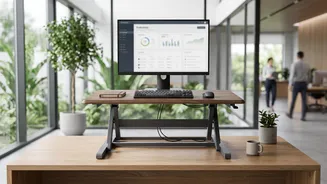
Your workday itself can offer numerous opportunities for movement. If you have a commute, consider walking or cycling part of the way. If you work from home, use the time you would have spent commuting for a quick workout. During the day, swap emails for walking calls. Set a timer to get up and stretch every hour. You can even perform simple bodyweight exercises at your desk, such as chair squats, desk pushups or calf raises. Using your breaks for a quick walk or some stretches can also help relieve stress and boost your energy for the afternoon ahead.
Prioritise Active Recovery and Sleep
Working long hours is physically and mentally draining. Pushing yourself through intense workouts without adequate rest is a recipe for injury and burnout. Sustainable fitness includes active recovery and prioritising sleep. Active recovery can be light activities like stretching, yoga or a gentle walk which help your muscles recover and reduce stiffness. Furthermore quality sleep is non negotiable It is when your body repairs itself consolidates learning and regulates hormones that control appetite and stress Skimping on sleep to fit in an early morning workout can be counterproductive if it leaves you exhausted Aim for consistency in your sleep schedule as it will give you the energy you need to both perform at work and stay active.