







A Chemical Craving for Comfort
The primary reason for your monsoon cravings is a matter of brain chemistry. Gloomy, overcast skies mean less sunlight, which can cause a dip in your body's production of serotonin, often called the 'happy hormone'. This neurotransmitter is crucial for regulating
mood, appetite, and sleep. When serotonin levels fall, your mood can dip, and your brain sends out a powerful signal to fix the problem. The quickest way to do that? Consume carbohydrates. Foods like potatoes, flour, and sugar trigger a process that helps boost serotonin production in the brain, providing a temporary feeling of happiness and well-being. That plate of pakoras or samosas is, in essence, your body's attempt to self-medicate its way out of the rainy-day blues.
The Soothing Power of Warmth
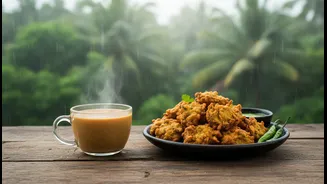
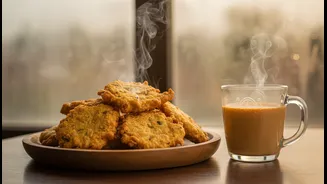
Beyond brain chemistry, there is a simple, physical logic at play. When the monsoon arrives, it brings a welcome drop in temperature and an increase in humidity. Your body naturally seeks warmth and cosiness to contrast with the cool, damp environment outside. A steaming cup of masala chai, a hot bowl of soup, or snacks straight from the frying pan provide an immediate sense of physical comfort. This contrast between the cold, wet world outside and the warm, dry comfort inside heightens the sensory experience, making the food feel exceptionally satisfying. It’s a feeling of safety and contentment that goes beyond just taste.
A Symphony for the Senses
Monsoon cravings are a full-body experience. The sound of rain is often described as a form of 'pink noise,' which can be calming and help reduce brain activity. This relaxing sound is often joined by the sizzle of food frying. Then there's the unique scent of rain hitting dry earth, known as petrichor. This earthy aroma is created by a compound called geosmin and is strongly linked to memory and emotion. For many, this smell triggers a sense of calm, renewal, and nostalgia, making us more receptive to comforting experiences. The crunchy texture of a freshly fried snack also provides a pleasing contrast to the damp, soft atmosphere of the monsoon, making the entire act of eating more enjoyable.
Eating Your Feelings and Memories
For many Indians, the connection between monsoon and comfort food is deeply ingrained from childhood. Psychologists call this 'associative learning.' Rainy days often meant staying indoors, spending time with family, and enjoying special snacks prepared at home. These positive memories create a powerful, unconscious link in our brains. As adults, when the monsoon arrives, it triggers these nostalgic feelings. The craving for chai and bhajiyas isn't just about the food itself; it's a craving for the feeling of safety, love, and togetherness associated with those memories. The food becomes a symbol of comfort and a way to recreate those positive emotions.