




Bhindi (Okra): The Monsoon Hero
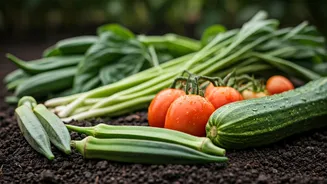
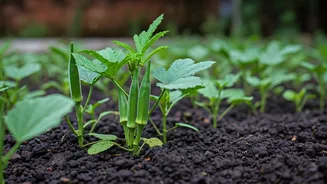
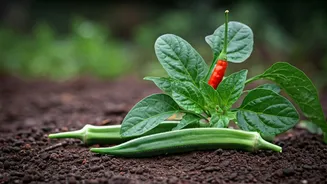
Lady's finger, or Bhindi, is a staple in Indian kitchens and a star performer in the monsoon garden. This hardy plant loves the warm, humid conditions that the rainy season provides. It grows relatively quickly, so you can enjoy your first harvest within
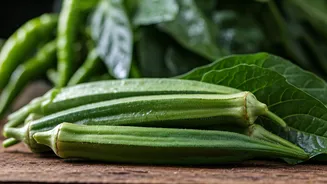
a couple of months. Bhindi plants are also quite resilient to the heavy rains, as long as they are planted in soil that drains well. Waterlogging is the enemy, so ensure your pots or grow bags have plenty of drainage holes. To get started, sow the seeds directly into your chosen container. Pick a spot that receives at least four to five hours of sunlight. As the plant grows, it will produce beautiful yellow flowers that will soon turn into tender okra pods. Harvest them when they are still young and tender for the best flavour and texture.
Leafy Greens: Spinach and Amaranth
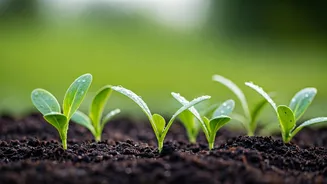
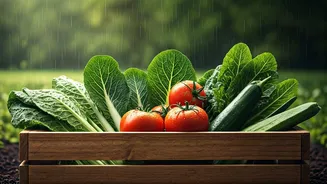
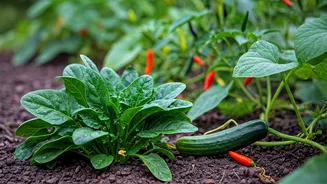
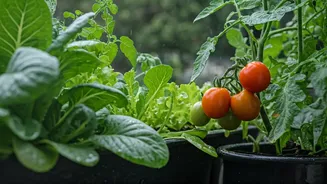
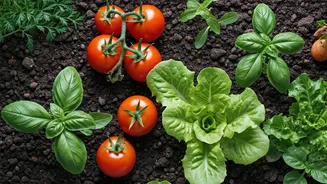
Monsoon is the ideal season for growing a variety of leafy greens. Palak (spinach) and chaulai (amaranth) are two excellent choices that grow vigorously with regular watering from the rain. They are packed with nutrients and can be harvested multiple times from a single planting. This cut-and-come-again nature makes them incredibly rewarding for home gardeners. For best results, use shallow but wide containers. Scatter the seeds over well-manured, loose soil and cover them with a thin layer of the same. Keep the soil consistently moist. In just a few weeks, you'll have tender leaves ready for your dals, sabzis, and salads. The frequent rainfall takes care of most of the watering, but ensure the containers don't become waterlogged.
Gourds: Lauki and Turai
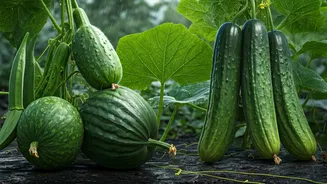
Bottle gourd (Lauki) and ridge gourd (Turai) are classic monsoon vegetables. These climbers love the moisture and humidity, and their vines will quickly cover any trellis or support you provide. Growing them vertically is a great space-saving technique for smaller balconies. Watching the gourds develop is a fascinating process, and a single healthy vine can be very productive. Sow three to four seeds in a large grow bag or pot (at least 12-15 inches deep). Once the seedlings are a few inches tall, keep the strongest two and remove the others. Provide a sturdy support structure for the vines to climb. They need plenty of sunlight and regular moisture to produce well. Protect young plants from very heavy downpours, as this can sometimes damage the delicate vines.
Cucumbers (Kheera): Cool and Crisp
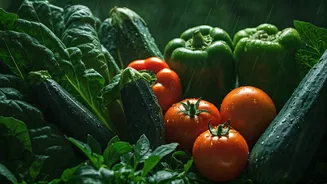
Nothing beats the taste of a fresh, crisp, homegrown cucumber. Most Indian varieties of cucumber are well-suited for the monsoon. Like gourds, they are creepers and will need support to climb. They grow fast and produce fruit in abundance when cared for properly. The high water content in cucumbers makes them a refreshing addition to any meal, especially during humid weather. Plant the seeds in a sunny spot with well-draining soil. Cucumbers are thirsty plants, but the monsoon rain usually takes care of their needs. Check the soil moisture during dry spells. You can let the vines trail on the ground, but training them up a trellis keeps the fruit off the wet soil, preventing rot and saving space.
Beans (Sem): The Prolific Producer
Varieties of beans, such as French beans and cluster beans (gawar), are fantastic choices for a monsoon garden. They are relatively low-maintenance and fix nitrogen in the soil, which benefits other plants growing nearby. Bush bean varieties are perfect for containers as they don't require extensive support, while pole beans will need a trellis to climb. Sow the seeds directly into the soil. They germinate quickly in the moist conditions. The key is to ensure good air circulation around the plants to prevent fungal diseases, which can be common in the humid monsoon weather. Regular harvesting of the beans encourages the plant to produce more, giving you a continuous supply throughout the season.