






The Science Behind the Slump
That drowsy, lethargic feeling you get after a meal, often called postprandial somnolence, is a common biological response. When you eat, particularly a meal rich in carbohydrates, your body breaks it down into glucose, which enters your bloodstream.
This causes your blood sugar to rise. In response, your pancreas releases insulin, a hormone tasked with helping your cells absorb this glucose for energy. However, a large or rapid influx of glucose can lead to a significant insulin surge, which then causes a quick drop in blood sugar, resulting in the familiar energy “crash” and fatigue. This cycle, if repeated often, can put stress on your body's metabolic systems.
How a Short Walk Changes Everything
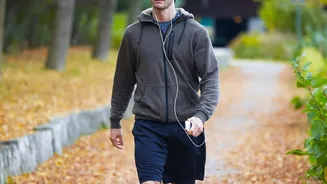
This is where a brief walk works its magic. When you engage in light physical activity like walking, your muscles need energy. They can pull glucose directly from your bloodstream to fuel their movement, acting like sponges for excess sugar. This process helps lower your circulating blood glucose levels more gradually, preventing a dramatic spike. As a result, your pancreas doesn't need to release as much insulin, leading to a more stable insulin response and avoiding the subsequent blood sugar crash. Research shows that even a walk as short as two to five minutes can start to lower blood glucose, but a ten to fifteen-minute stroll is a beneficial target.
Timing Is Key for Maximum Benefit
While any movement is better than none, timing your walk can enhance its effects. The ideal window to start walking is within 60 to 90 minutes after you finish eating, which is when blood glucose levels are typically at their highest. By walking during this peak, you intercept the glucose before it causes a major spike, making the activity more effective for regulation. Some studies suggest starting as soon as 10 to 15 minutes after your meal can be highly beneficial. A gentle, comfortable pace is all that's needed; a high-intensity workout immediately after eating can sometimes cause digestive discomfort.
More Than Just Beating Lethargy
The benefits of a post-meal stroll extend far beyond preventing a nap. This simple habit also aids digestion by stimulating gut motility, which can help reduce feelings of bloating and gas. Over the long term, consistently managing post-meal blood sugar helps improve your body’s insulin sensitivity, which is a key factor in reducing the risk of metabolic conditions like type 2 diabetes. Furthermore, light exercise is a proven mood booster. A short walk can help clear your head, reduce stress by lowering cortisol levels, and even improve the quality of your sleep later that night.
Making It an Effortless Habit
Incorporating this into your daily life doesn't have to be a chore. If you're at the office, suggest a walking meeting after lunch or simply take a ten-minute loop around the building. At home, you can walk around your neighbourhood after dinner, perhaps making it a new family routine. Even if the weather is bad, a few laps around your living room or walking up and down a flight of stairs can work. The key is to start small. Don't feel pressured to walk after every single meal. Begin with just one, like after lunch to beat the afternoon slump or after dinner to aid digestion before bed. Once the habit is established, it will start to feel like a natural part of your day.