







Why Monsoon Increases Health Risks
The magic of the monsoon—cooling rains and lush greenery—unfortunately comes with a significant health warning. Heavy rainfall can cause waterlogging and flooding, which often leads to sewage and groundwater mixing. This contamination introduces a host
of bacteria, viruses, and other pathogens into the water supply. As a result, the risk of contracting water-borne diseases like cholera, typhoid, gastroenteritis, jaundice, and dysentery rises sharply. These illnesses, which commonly cause symptoms like diarrhoea, vomiting, fever, and stomach cramps, are a primary reason for hospital visits during the rainy season. The high humidity also helps harmful microorganisms thrive, making food spoil faster and increasing the chances of infection.
Your Guide to Purifying Water at Home
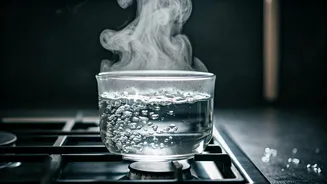
Ensuring the water in your home is safe for consumption is your first and most critical line of defence. Fortunately, there are several effective methods for purification. Boiling is the oldest and most widely practised method in Indian households. Bringing water to a rolling boil for at least one to three minutes effectively kills most disease-causing bacteria and viruses. For an even higher level of safety, modern water purifiers are an excellent investment. Reverse Osmosis (RO) purifiers are highly effective at removing dissolved solids, chemicals, and heavy metals, while Ultraviolet (UV) filters use radiation to kill microorganisms like bacteria and viruses. Many modern purifiers combine RO, UV, and other filtration stages for comprehensive protection. In areas without reliable electricity, using chlorine tablets or a gravity-based filter with activated carbon can also significantly improve water safety.
Beyond the Glass: Clean Water in the Kitchen
Safe eating habits extend far beyond just drinking purified water. The water used for washing, cooking, and food preparation is just as important. Using contaminated tap water to rinse vegetables and fruits can transfer harmful pathogens directly onto your food. Experts recommend washing all produce thoroughly with purified or boiled water, especially leafy greens which can trap dirt and germs. The same rule applies to water used for making dough, cooking rice or dals, and preparing chutneys. Furthermore, avoid using ice made from tap water in your drinks, as freezing does not kill all pathogens. By treating all water that comes into contact with your food as a potential source of contamination, you close a major loophole for monsoon illnesses.
Navigating Street Food Cravings
The craving for hot pakoras or a plate of pani puri is almost synonymous with a rainy day, but street food is particularly risky during the monsoon. The primary concern is the water used by vendors, which is often from an unverified source and may be contaminated. Dishes that involve uncooked ingredients or water, such as the chutneys in chaat, the water in pani puri, or pre-cut fruit salads, pose the highest risk. Beverages sold on the street, including juices and sherbets, are often made with local tap water and contaminated ice. While it’s a tough choice to make, it is advisable to avoid these temptations or only indulge at reputable establishments known for their stringent hygiene practices. Opting for freshly prepared, piping hot snacks reduces the risk compared to items that have been sitting out.
Hydration as Your Body’s Defence
Staying well-hydrated is always important, but it plays a crucial role in maintaining your immunity during the monsoon. Drinking plenty of clean, safe water helps your body flush out toxins and supports the function of your immune system, which is constantly working to fight off seasonal infections. Dehydration can weaken your body's defences, making you more susceptible to colds, flu, and other viral fevers that are common during this time. Make it a habit to sip on warm water, herbal teas, or clear, home-made soups throughout the day. Including immunity-boosting ingredients like ginger, turmeric, and garlic in your diet can further strengthen your body's ability to stay healthy through the season.