



The Golden Rule: Airtight and Dry
The single most important principle for monsoon food storage is to keep everything in airtight containers. Humidity is the primary enemy, and it can turn perfectly good ingredients into a clumpy, mouldy mess. Transfer items from their original paper or thin plastic
packaging into glass jars or high-quality, food-grade plastic containers with tight-sealing lids immediately after purchase. This simple step is your first line of defence against the damp air that seeps into every corner of the kitchen during this season. Using separate, completely dry spoons for each container is also crucial to prevent cross-contamination and moisture transfer.
Guarding Grains, Flours, and Pulses
Staples like rice, dal, atta (wheat flour), and sooji (semolina) are highly susceptible to moisture and weevils during the rains. Before the season begins, it's wise to perform a pantry audit. Transfer all grains and flours into clean, dry, airtight steel or glass containers. For an extra layer of protection, you can lightly roast items like sooji and flour before storing to remove any existing moisture and extend their shelf life. Many traditional Indian households add a few dried bay leaves or neem leaves to rice and dal containers; these act as natural pest repellents. Small pouches of rock salt can also absorb excess humidity within the container.
Keeping Spices Pungent and Potent
Humidity can rob your precious spices of their aroma and flavour, causing them to clump together. Just like grains, spices must be stored in airtight containers, preferably glass, in a cool, dark cabinet away from the stove. The steam and heat from cooking can introduce moisture every time you open a jar nearby. A common mistake is shaking a spice container directly over a steaming pot; instead, measure out the required amount with a dry spoon away from the steam. For whole spices, a light roast every couple of weeks can help retain their freshness.
Managing Fresh Fruits and Vegetables
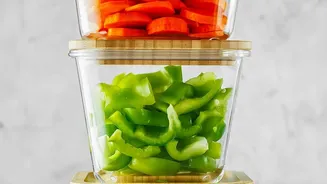
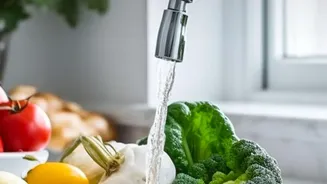
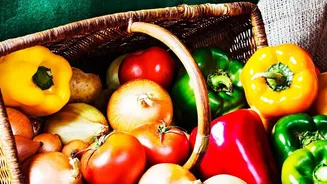
The monsoon brings a higher risk of contamination for fresh produce. It is essential to wash vegetables and fruits thoroughly before consumption, but not before storage, as residual moisture accelerates rot. After buying, wipe them completely dry. Leafy greens like spinach should be wrapped in paper towels to absorb excess moisture before being placed in a perforated or vegetable storage bag in the refrigerator. Store vegetables that release ethylene gas, such as tomatoes, separately from ethylene-sensitive produce to prevent premature ripening and spoilage. Root vegetables like carrots and beetroot should be stored in the fridge, but only after trimming their leafy tops.
Saying No to Soggy Snacks
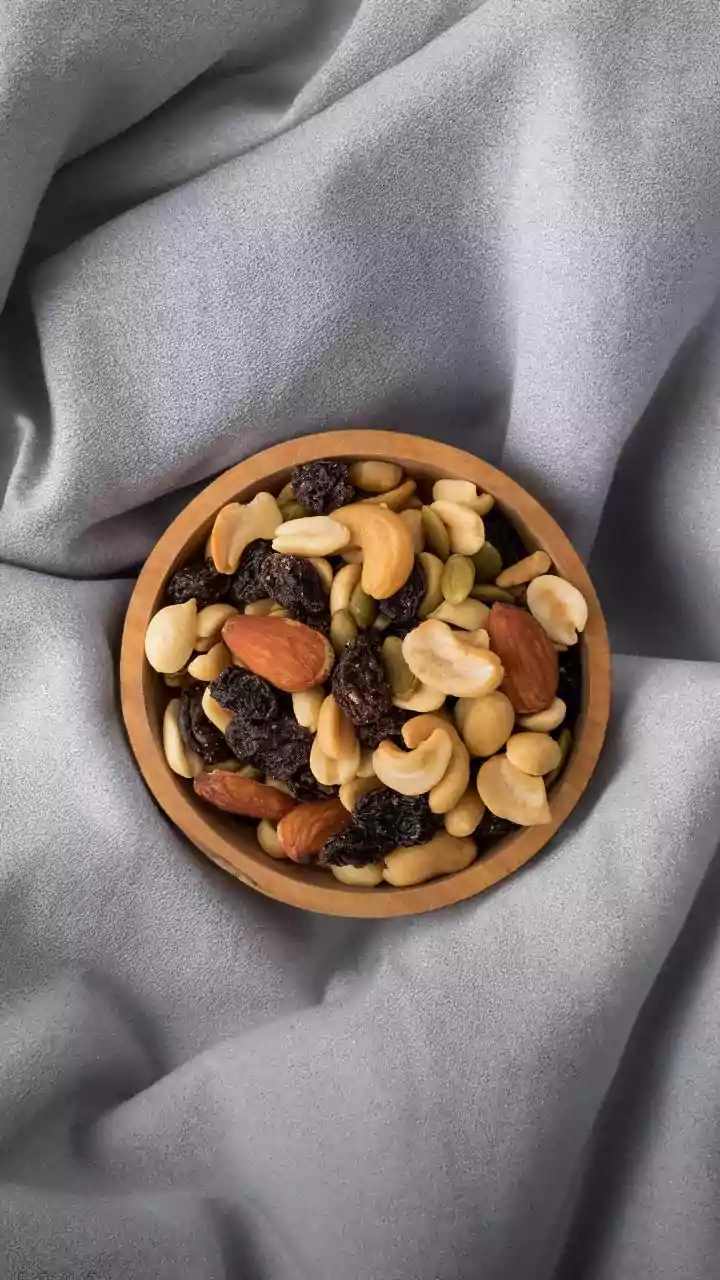
Biscuits, chips, and namkeen are often the first casualties of monsoon humidity, losing their satisfying crunch within hours of being opened. The solution, once again, is a good airtight container. Transfer snacks out of their original packets as soon as they are opened. Some find that storing half-eaten packets in the refrigerator can also help maintain crispness; a quick minute in the microwave can often revive slightly softened biscuits. For expensive items like dry fruits and nuts, which are prone to mould, storing them in airtight jars inside the refrigerator is the safest bet during the rainy season.
A Clean and Cool Environment
Your storage methods are only as good as the environment they are in. Regularly clean and dry your kitchen cabinets and refrigerator to prevent mould growth. Placing natural absorbents like camphor balls or silica gel packets (not in direct contact with food) inside cabinets can help combat dampness and musty odours. Ensuring your pantry is cool, dark, and away from any sources of heat or steam will significantly boost the longevity of all your stored goods.