






Spring: Strawberries
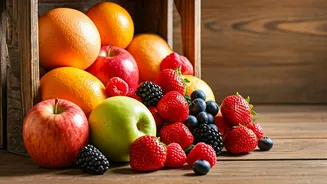
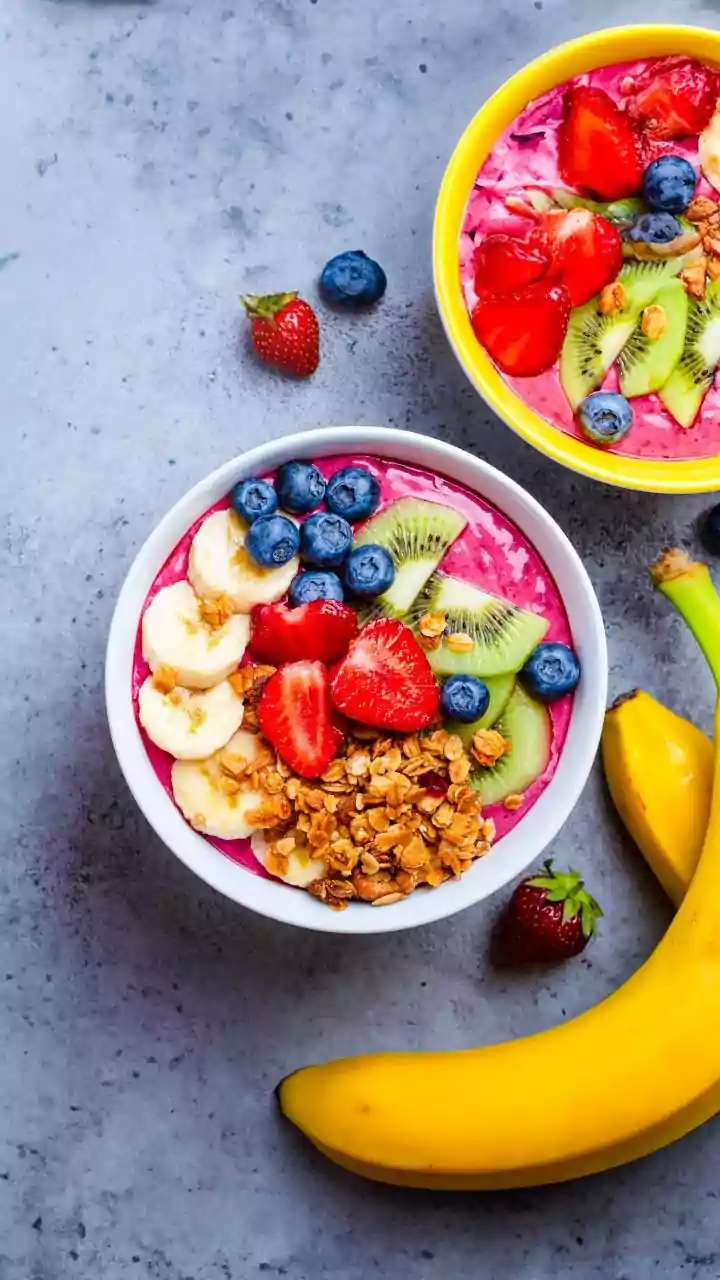
As the world wakes up from winter, so do our bodies. Strawberries, one of spring's first and most beloved arrivals, are the perfect way to reboot your system. Forget the pale, hard berries of January; true spring strawberries are ruby-red, juicy, and packed
with an impressive amount of Vitamin C—a single cup provides more than a day's worth. This essential antioxidant helps support your immune system and contributes to healthy skin by aiding collagen production. They are also a great source of manganese, which is important for bone health and metabolism, giving you a powerful nutritional boost just when you need it most.
Summer: Watermelon
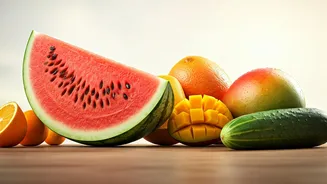
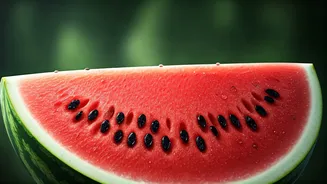
Nothing says summer like a slice of watermelon, and its benefits go far beyond being a refreshing treat at a barbecue. During the hottest months of the year, staying hydrated is a top priority. Watermelon is over 90% water, making it one of the most hydrating foods you can eat. But it's not just water; it's also a source of electrolytes like potassium, which are crucial for maintaining fluid balance and preventing muscle cramps during sweaty activities. Plus, it contains lycopene, a powerful antioxidant that has been studied for its potential role in protecting the skin from sun damage—a helpful addition to your regular sunscreen routine.
Summer: Cherries
Summer is also the season for outdoor activities, from hiking to yard work, which can sometimes lead to sore muscles. This is where cherries come in. Both sweet and tart cherries are loaded with anthocyanins, the compounds that give them their deep red color. These compounds possess strong anti-inflammatory and antioxidant properties. Some studies suggest that consuming cherry juice or cherries can help reduce muscle soreness and inflammation after exercise. Think of them as nature's ibuprofen, helping you recover faster so you can get back to enjoying the long summer days.
Fall: Apples
When the air turns crisp, our cravings often shift to heartier, more comforting foods. An apple a day might sound like a cliché, but this autumn staple is a nutritional workhorse. Apples are an excellent source of dietary fiber, particularly pectin, a type of soluble fiber. This fiber acts as a prebiotic, feeding the good bacteria in your gut. A healthy gut microbiome is linked to a stronger immune system, which is key to navigating the cold and flu season. The fiber also helps you feel full and satisfied, which can help manage the comfort-food cravings that come with cooler weather.
Fall & Winter: Pumpkin
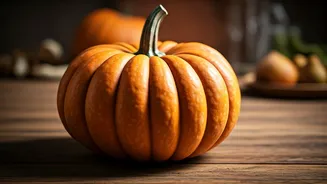
More than just a decoration or pie filling, pumpkin is a nutritional powerhouse that shines in the fall and winter. Its brilliant orange flesh is a dead giveaway for its star nutrient: beta-carotene, which the body converts into Vitamin A. This vitamin is essential for maintaining healthy vision, especially in low light, and it plays a critical role in supporting the immune system. With one cup of cooked pumpkin providing over 200% of the recommended daily intake of Vitamin A, it’s a simple way to fortify your body's defenses as the days get shorter and colder.
Winter: Citrus Fruits
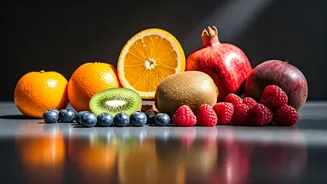
Winter is peak season for citrus fruits like oranges, grapefruits, and clementines. This is nature's perfect timing, as these bright, zesty fruits are famously loaded with Vitamin C. While Vitamin C won't magically prevent a cold, research shows it can help shorten the duration and severity of symptoms by supporting various cellular functions of the immune system. A daily dose of citrus in the dark winter months can feel like a burst of sunshine, providing the key nutrients your body needs to stay resilient until spring returns.