





For years, full-coverage foundation was the undisputed champion of makeup bags. But across India’s bustling cities, a quiet revolution is taking place. Women are breaking up with heavy, mask-like bases in favour of something new: their own skin.
The Unforgiving Climate
Let’s
start with the most obvious culprit: the weather. In a country where heat and humidity dominate for months, wearing a thick layer of foundation can feel suffocating. Heavy, oil-based or silicone-heavy formulas often trap sweat and sebum, leading to clogged pores, breakouts, and the dreaded midday makeup meltdown. Many urban consumers find that lightweight, breathable products are simply more practical and comfortable for daily wear. This has fuelled the demand for formulas that work with the climate, not against it, allowing skin to feel fresh rather than smothered. The goal has shifted from maximum coverage to maximum comfort.
The Rise of 'Skinimalism'
Beyond pure practicality, there’s a major philosophical shift happening, often called 'skinimalism'. This trend champions a less-is-more approach, prioritizing the health of the skin over concealing it. An increasingly educated consumer base is more interested in what's in their products, favouring nourishing ingredients over ones that just cover up. The focus is now on achieving healthy, glowing skin through dedicated skincare, which in turn reduces the need for heavy makeup. This has paved the way for hybrid products that merge skincare and makeup, such as serum foundations, skin tints, and tinted sunscreens, which offer sheer coverage while delivering benefits like hydration and brightening.
A New Beauty Ideal
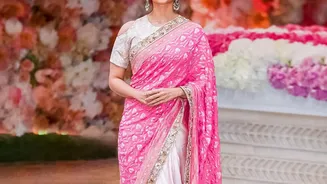
The definition of beautiful skin is also evolving. The desire for a single, flawless, matte ideal is giving way to an appreciation for real skin, complete with its unique textures and variations. Inspired by global movements and championed by Bollywood celebrities like Alia Bhatt and Deepika Padukone, the 'no-makeup' makeup look celebrates authenticity. This aesthetic is not about forgoing makeup entirely, but about using it strategically to enhance, rather than hide. Spot concealing blemishes or under-eye circles, for instance, has replaced the practice of applying a uniform thick layer of foundation. It’s a look that signals confidence and a move towards self-acceptance.
The K_Beauty Influence
The Korean beauty wave has had a profound impact on Indian routines, particularly among younger consumers. K_beauty’s core philosophy is 'skin first', emphasizing a hydrated, dewy, 'glass skin' look that appears luminous and healthy. This is achieved with lightweight products like BB creams and cushion foundations that even out the skin tone without masking it. The trend has also popularised a more playful and subtle approach to makeup, such as using blush for a natural flush and creating soft, gradient lips. This aligns perfectly with the move away from heavy contouring and opaque lipstick, further cementing the appeal of lighter, fresher looks.
The Post_Pandemic Effect
The pandemic accelerated this shift in unforeseen ways. With work_from_home becoming the norm and masks a daily accessory, the need for full_coverage, long_wear makeup diminished significantly. Many people grew more comfortable with their natural skin and found their old routines too time_consuming for a life spent largely indoors. As life returned to normal, the desire for simpler, quicker, and more comfortable makeup routines remained. This period served as a reset, encouraging a long_term move toward products that feel good on the skin and celebrate a more natural and individualistic approach to beauty.