





Bhutta (Corn on the Cob)
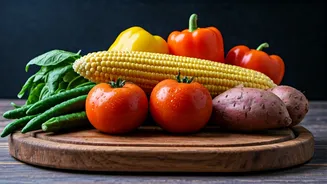
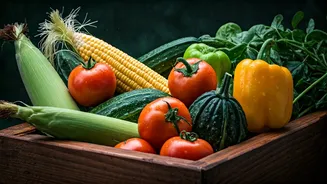
Is it even monsoon without a bhutta? This is arguably the most iconic snack of the season. The sight of a street vendor fanning charcoal embers, roasting corn on the cob, and slathering it with lemon juice, salt, and chilli powder is a core monsoon memory.
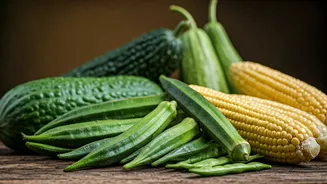
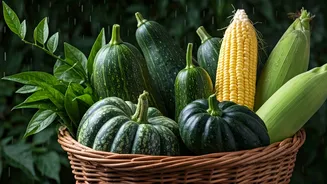
Beyond the classic roasted version, desi corn is perfect for making crispy pakoras, savoury masalas, or adding to soups. When buying, look for cobs with bright green, moist-looking husks. The kernels should be plump and milky. Avoid any that look dry or have shrivelled tips, as they are likely old.
Karela (Bitter Gourd)
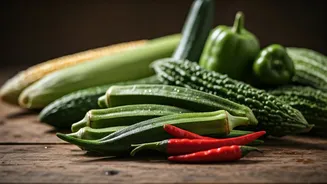
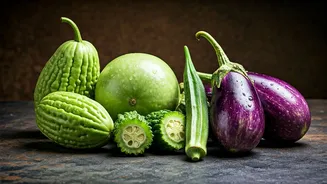
While its bitter taste can be divisive, Karela is a nutritional powerhouse that thrives in the monsoon humidity. It's packed with vitamins and is traditionally known for its blood sugar-regulating properties. The rainy season is the best time to enjoy it, as the gourds are tender and less intensely bitter. To prepare, you can scrape the skin, slice it, and rub it with salt to draw out some bitterness before cooking. Popular preparations include Bharwa Karela (stuffed bitter gourd), crispy fried chips, or a simple sabzi with onions and spices that balances its sharp flavour.
Lauki (Bottle Gourd)
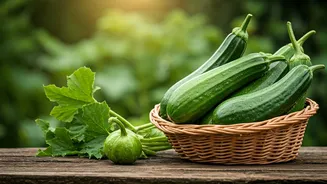
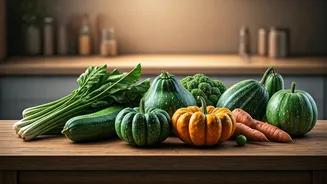
Often misunderstood as bland, Lauki is one of the most versatile and hydrating vegetables of the season. Its high water content makes it incredibly easy to digest and cooling for the system, which is beneficial in the humid weather. It soaks up the flavours of spices beautifully, making it a fantastic base for a variety of dishes. Think beyond the simple lauki sabzi; it can be grated to make delicious koftas, blended into a flavourful soup, used in raita, or even transformed into a sweet halwa. Choose gourds that are firm, pale green, and feel heavy for their size.
Turai (Ridge Gourd)
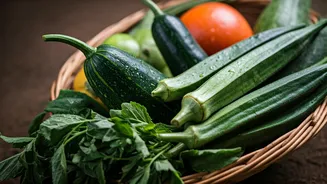
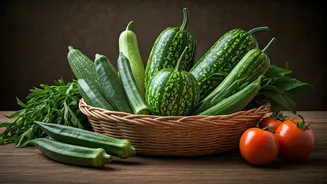
Sponge gourd and ridge gourd, both commonly called Turai, are other monsoon staples. They have a spongy texture and a mild, slightly sweet flavour. Like bottle gourd, Turai is high in water content and dietary fibre, making it light on the stomach. It cooks quickly and is excellent in simple, everyday meals. A popular way to cook it is in a simple stir-fry with a mustard seed tadka, or cooked with chana dal for a more substantial curry. The peel of the ridge gourd can even be used to make a delicious and fibrous chutney. Look for firm, dark green gourds without any soft spots or blemishes.
Parwal (Pointed Gourd)
A favourite in Eastern and Northern India, Parwal is a small, green vegetable that belongs to the gourd family. It has a mild flavour and a satisfying texture that holds up well during cooking. Rich in vitamins A and C, it’s a great addition to your monsoon diet. Parwal is incredibly versatile—it can be stuffed with a masala filling (Bharwa Parwal), fried until crisp, or added to potato curries to make the classic Aloo Parwal ki Sabzi. When shopping, select small to medium-sized, firm, and bright green parwals for the best taste and texture.
Seasonal Leafy Greens
While it's wise to be cautious with leafy greens during the monsoon due to mud and germs, certain seasonal varieties are at their peak. Red amaranth (chaulai saag) and colocasia leaves (arbi ke patte) are particularly popular. These greens are loaded with iron and essential minerals. They are perfect for making saag, adding to dals, or, in the case of colocasia leaves, for making pathrode or patra—a steamed and fried snack. Always ensure you wash them thoroughly in clean water, perhaps with a bit of salt or vinegar, before cooking to ensure they are safe to eat.