


A Partnership Decades in the Making
The cooperation between the Indian Space Research Organisation (ISRO) and the National Aeronautics and Space Administration (NASA) is not a recent phenomenon. The foundation was laid nearly six decades ago with the launch of US-made sounding rockets from
Indian soil in the 1960s. This early-stage collaboration evolved over the years, including a partnership on India's first lunar mission, Chandrayaan-1, which carried two NASA instruments. However, geopolitical headwinds, particularly related to India's nuclear program, sometimes slowed the momentum. It was the US-India civil nuclear deal in 2005 that truly reset the relationship, paving the way for the deeper, more strategic space partnership we see today.
The Current Bedrock: Artemis and iCET
Two recent developments have supercharged the relationship. First, India's decision to sign the Artemis Accords in June 2023 was a landmark step. These US-led principles for peaceful and transparent lunar exploration signal a strategic shift for India, moving from a traditionally independent path to a more collaborative one. By joining, India ensures its space exploration hardware and protocols are interoperable with global partners, avoiding technological isolation and opening doors for joint missions. Second is the Initiative on Critical and Emerging Technology (iCET), launched in 2023 and later broadened into the TRUST initiative in 2025. This framework identifies space as a key pillar for strategic partnership, facilitating collaboration across civil, commercial, and even defense space sectors.
Missions in Motion: NISAR and an Astronaut to the ISS
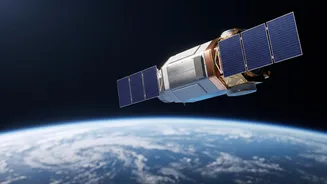
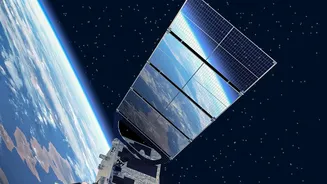
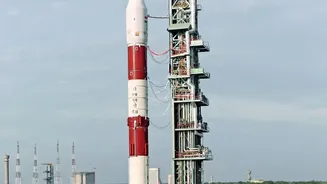
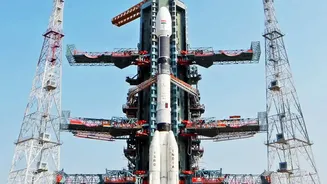
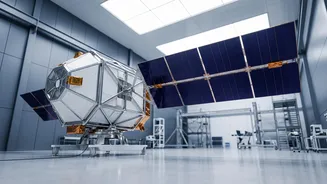
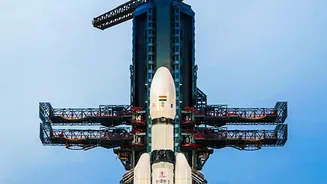
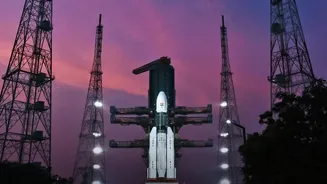
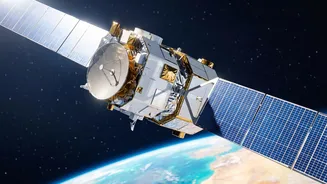
The partnership is producing tangible results. The NASA-ISRO Synthetic Aperture Radar (NISAR) satellite, launched aboard an ISRO rocket on July 30, 2025, is a prime example. Touted as the world's most expensive Earth-imaging satellite, this joint mission uses dual-frequency radar to map our planet's surface in unprecedented detail, monitoring everything from glacial melt and volcanic activity to groundwater changes. Having entered its science phase in early 2026, NISAR is already delivering crucial data on global challenges. Another major milestone was sending an Indian astronaut to the International Space Station (ISS). In June 2025, Group Captain Shubhanshu Shukla flew to the ISS as part of a privately organized Axiom Space mission, becoming the first Indian to do so. The mission, a result of the deepening NASA-ISRO partnership, provided invaluable experience for India’s own human spaceflight program, Gaganyaan.
The Growing Role of Private Industry
A significant feature of this expanding cooperation is the increasing involvement of the private sector. Mirroring the global trend, India has opened its space sector to private companies, formalized through the Indian Space Policy 2023 and the liberalisation of foreign direct investment rules. This has fostered a burgeoning ecosystem of Indian space startups. Frameworks like iCET and business-to-business forums are actively bridging the gap between American and Indian private space firms, creating opportunities in everything from component manufacturing to satellite services and launch systems. This commercial collaboration is seen as essential for executing ambitious projects and building resilient supply chains, independent of other global powers.
What's on the Horizon?
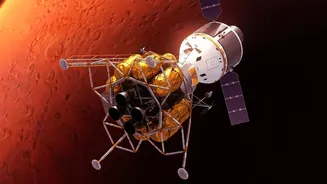
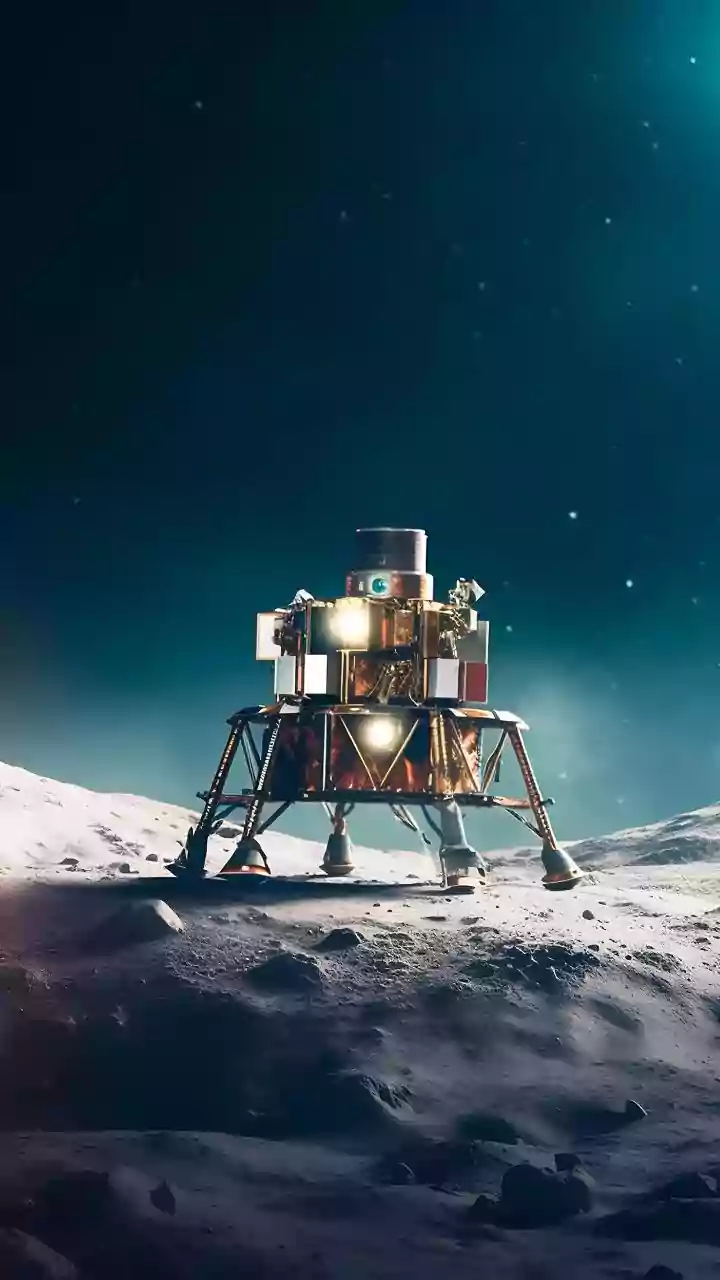
Looking ahead, the collaboration is set to reach even greater heights. In August 2026, NASA officially invited ISRO to participate in its ambitious Moon Base program, which aims to establish a permanent human outpost near the lunar South Pole. This invitation builds on the Artemis framework and India's demonstrated expertise with its Chandrayaan missions. Future cooperation will likely focus on several key areas. Advanced human spaceflight, including long-duration missions and astronaut training, is a clear priority. There is also significant potential in leveraging NISAR data for joint climate research and disaster management applications across the Indo-Pacific. Furthermore, with the ISS scheduled for retirement around 2030, discussions may turn to collaboration on future commercial space stations. As both nations seek to ensure a rules-based order in space, this strategic alignment is poised to become one of the most consequential partnerships of the 21st century.