




Understanding Modular Rain Protection
Modular rain protection refers to any adaptable or non-permanent covering designed to shield your balcony from the elements. Unlike permanent roofing, these systems can often be installed, adjusted, or removed with relative ease. The core idea is to provide
a barrier against heavy rainfall while still allowing for adequate light and air circulation. Options range from simple, transparent plastic sheets to more sophisticated retractable awnings and zip-track blinds. These solutions are ideal for urban gardeners in apartments who need to protect their plants without making major structural changes to their building.
Key Benefits for Your Balcony Garden
The primary benefit of a rain cover is preventing the physical damage caused by torrential downpours. Heavy rain can break stems, tear leaves, and dislodge plants from their pots. More importantly, these systems help manage the biggest risk of the season: overwatering. Even pots with good drainage can become waterlogged during continuous rain, leading to root rot, one of the most common reasons for plants failing in the monsoon. By deflecting the heaviest of the rain, you maintain control over the moisture levels in your soil. These covers also protect the soil itself from being washed away and losing essential nutrients.
Popular Commercial Systems
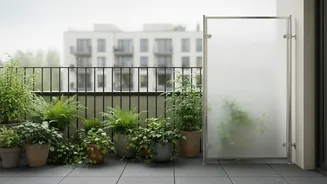
For those seeking a ready-made solution, there are several effective options. Retractable awnings, often made of durable, acrylic-coated fabric, can be extended during a downpour and retracted on sunny days. Another popular choice is clear PVC or monsoon blinds. These act like sturdy, transparent curtains that can be rolled down to block wind and rain while letting in light, which is crucial for plant health. For a more robust, semi-permanent setup, polycarbonate sheets on a simple frame offer excellent protection and durability. Zip-track systems provide a taut, secure barrier against even strong winds and sideways rain.
Effective DIY Solutions for Every Budget
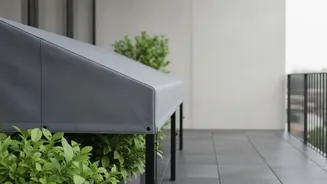
You don't need an expensive system to protect your plants effectively. A simple and affordable DIY solution involves creating a frame from PVC pipes or bamboo and stretching a heavy-duty transparent tarpaulin or plastic sheet over it. The key is to ensure the cover is sloped so that water runs off instead of pooling and weighing it down. Another approach is to use waterproof shade cloth, which can be cut to size and tied to railings or hooks. This method offers protection from the force of the rain while still allowing some moisture and ample air to pass through, reducing the risk of fungal diseases.
Installation and Best Practices
Whatever system you choose, secure installation is critical to withstand monsoon winds. Ensure any frame or awning is firmly anchored. When setting up a cover, create a slight angle to direct water runoff away from your pots and prevent it from pooling on the balcony floor. On days with light rain or no rain, it's wise to retract or remove the cover to give your plants maximum sunlight and air circulation. Also, remember to group smaller, more vulnerable plants together under the most protected area of your balcony. Always check your pots before manually watering; even with a cover, the soil can remain damp for a long time during the humid monsoon season.