



After a year of relentless hype and soaring stock prices, the artificial intelligence market is experiencing a sudden chill. The recent, sharp downturn has left investors wondering: is the party over, or is this just a necessary reality check?
A Sudden Reversal of Fortune
The past
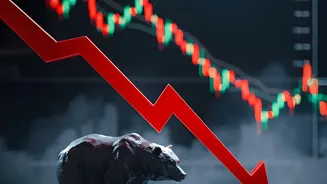
few weeks have been brutal for AI-related stocks. After a long period of staggering growth, the tech-heavy Nasdaq index saw a significant drop, entering what traders call a 'correction'. The sell-off was particularly harsh for companies at the heart of the AI boom, especially semiconductor firms and data centre operators. On one particularly volatile day, the main US chip index fell sharply, with major players like Nvidia seeing significant single-day drops. This retreat wiped trillions of dollars from global stock markets and sent shockwaves through trading floors from Wall Street to Asia. The downturn was abrupt, following a period where it seemed AI stocks could only go up.
What's Behind the Sell-Off?
A cocktail of factors appears to be driving the sudden pessimism. A primary trigger cited by analysts was the result of the recent US midterm elections. Investors are concerned that a new political landscape could lead to tighter regulations on the AI industry, particularly around the construction of massive, power-hungry data centres that are crucial for AI development. Beyond politics, there are growing economic headwinds. Central banks have been raising interest rates to combat inflation, which makes borrowing money more expensive. This directly impacts the financing for the massive infrastructure build-out that AI requires. Finally, there's a sense that investor expectations simply became unrealistic. As one CEO noted, the market had been pricing AI for 'perfection', and this correction is a reaction to those excessively high hopes.
Valuations Under the Microscope
The core of the issue comes down to valuations. For months, investors poured money into any company with 'AI' in its business plan, sometimes pushing stock prices to levels that were disconnected from actual profits. The market is now shifting its focus from the 'promise of AI to the price of AI', as one analyst put it. Investors are starting to ask tough questions about profitability. They want to see that the billions being spent on chips and data centres will generate real returns, and soon. This has led to a separation in the market. Companies that are seen as merely riding the AI hype wave are being punished, while those with strong fundamentals and clear paths to profitability may be better positioned to weather the storm.
The View from India
While the sell_off has been centred on US tech giants, the ripple effects are global. Asian markets, particularly the tech_heavy indexes in Japan and South Korea, saw steep declines in the wake of Wall Street's downturn. Interestingly, early reports during the turbulent week suggested that Indian markets showed resilience, even posting strong advances while others fell. This doesn't mean the Indian IT and tech sectors are immune. Many Indian tech firms are deeply integrated into the global supply chain and service the very US companies now facing pressure. A sustained slowdown in AI_related capital expenditure in the West could eventually impact contracts and growth prospects for Indian partners. For now, the divergence highlights a complex global market, but it's a trend local investors are watching closely.
A Bubble Bursting or a Healthy Reset?
So, is this the end of the AI boom? Most experts don't think so. The consensus is that this is more of a healthy reset than a catastrophic bubble bursting, akin to the dot_com crash of 2000. The long_term potential of artificial intelligence remains undeniable. However, the era of easy money and unquestioning hype is likely over. The market is transitioning to a more mature phase where real_world application and profitability, not just potential, are the primary metrics for success. Analysts believe the volatility is here to stay as the market sorts the winners from the losers. The road ahead may be bumpy, but the underlying technological revolution continues.