







The Hum of the Workshop
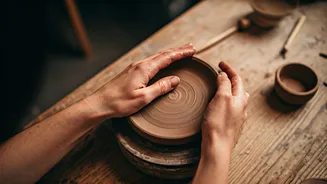
Forget the packed tour buses and the selfie sticks. In the quiet, leafy lanes of northern Thailand’s cultural capital, a different kind of vacation is unfolding. Here, travelers are hunched over pottery wheels, their hands covered in slick, gray clay.
In a nearby open-air kitchen, they’re crushing chili and galangal in a granite mortar, learning the secrets of a perfect green curry from a local chef. Elsewhere, others are learning the intricate art of Thai silk weaving or the disciplined grace of a Muay Thai kick. This isn’t your parents’ vacation. This is experiential travel, a global movement that prioritizes doing over seeing, participation over observation. And increasingly, the faces you see in these workshops are from India. A new generation of Indian travelers, armed with disposable income and a hunger for authentic connection, is bypassing traditional tourist traps in favor of destinations that offer a chance to learn a skill, engage with a culture, and bring home more than just a souvenir.
From Passive to Purposeful
For decades, the standard international vacation was a passive affair. You’d visit monuments, lie on a beach, and take pictures of things you’d only ever seen in books. But a fundamental shift is underway. The modern traveler, particularly from burgeoning economies, is seeking something more meaningful. Experiential travel is the answer to the question, “What did you do on your vacation?” with an answer that goes beyond “I saw the Eiffel Tower.”
This trend is fueled by a desire for personal growth, authenticity, and creating unique memories in an Instagram-saturated world where everyone’s vacation photos start to look the same. Instead of simply consuming a culture, these travelers want to co-create an experience within it. Learning to cook a local dish isn't just about food; it’s about understanding the history, agriculture, and community behind it. It transforms a trip from a checklist of sights into a chapter of personal development.
The New Indian Traveler
The surge of Indian tourists in places like Chiang Mai represents a significant evolution in one of the world's fastest-growing travel markets. As India's middle and upper-middle classes expand, so does their travel ambition. The first wave of mass Indian tourism often focused on whirlwind group tours of Europe or quick shopping trips to Dubai. But today’s traveler is more independent, digitally savvy, and looking for deeper engagement.
They are less interested in proving they’ve “been there” and more focused on the story they can tell when they get back. Short-haul, visa-friendly destinations in Southeast Asia are becoming popular choices for these immersive, short-break trips. Thailand, with its welcoming culture and established tourism infrastructure, is a natural fit. For this demographic, spending a few days mastering a craft is a far more valuable status symbol than simply staying at a five-star resort.
Why Chiang Mai Is the Epicenter
Chiang Mai has quietly positioned itself as the perfect hub for this travel revolution. Unlike the frenetic energy of Bangkok or the party-centric beaches of Phuket, the city offers a slower, more deliberate pace of life steeped in the heritage of the ancient Lanna Kingdom. It’s a city built on craft, from its silver workers and umbrella painters to its legendary food scene.
Critically, it’s also affordable. A high-quality, multi-day cooking or pottery workshop in Chiang Mai can cost less than a single night at a luxury hotel in a major European city. This accessibility allows travelers to invest in experiences without breaking the bank. The city has a mature ecosystem of small, independent businesses—cooking schools, craft studios, and wellness retreats—that cater directly to this desire for authentic, hands-on learning, making it a turnkey destination for anyone looking to dive in.