





The Science of the Sugar Spike
When you eat a meal, especially one rich in carbohydrates, your body breaks it down into glucose, a type of sugar that enters your bloodstream to be used for energy. This causes your blood sugar levels to rise. In response, your pancreas releases insulin,
a hormone that helps move glucose from your blood into your cells. However, large, rapid spikes in blood sugar can, over time, lead to health issues. These sharp peaks and subsequent crashes are what often cause feelings of tiredness and can contribute to more serious conditions long-term.
How Walking Works Its Magic
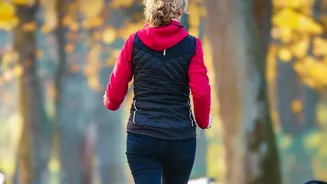
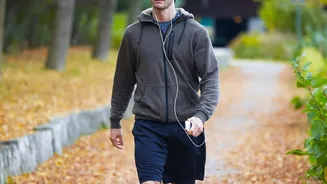
Here’s where a post-meal stroll comes in. When you start walking, your muscles need energy. They act like sponges, pulling glucose directly from your bloodstream to fuel the movement. This process happens through a pathway that doesn't even require large amounts of insulin, giving your pancreas a bit of a break. By using up the circulating glucose, a walk blunts the post-meal spike, leading to more gradual and stable blood sugar levels. Studies show that even a two to ten-minute walk can have a significant impact.
The Perfect Timing and Pace
Timing is crucial for maximising the benefits. Research suggests that walking within 60 to 90 minutes after a meal is the sweet spot. Some studies even point to the first 30 minutes as being optimal, as this is when blood sugar levels begin to peak. Starting your walk shortly after you finish eating helps your muscles intercept the glucose as it enters your bloodstream. As for duration and intensity, you don't need a strenuous workout. A brisk 10 to 15-minute walk is highly effective. The goal is a low-to-moderate intensity pace where your heart rate is elevated, but you can still hold a conversation comfortably.
Easing Stiffness and Aiding Digestion
While the headline mentions muscle pain, the primary benefit here is more about alleviating the stiffness and discomfort that comes from being sedentary after a meal. Sitting for long periods can lead to tight, achy muscles. A gentle walk promotes blood circulation throughout the body, helping to keep your muscles flexible and reducing that feeling of stiffness. Furthermore, movement stimulates the stomach and intestines, which can aid digestion. This can help food move through your system more efficiently, potentially reducing symptoms like bloating and gas that can contribute to abdominal discomfort.
Making It a Lasting Habit
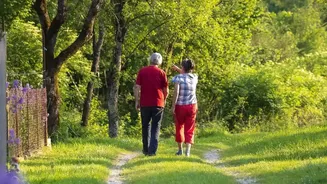
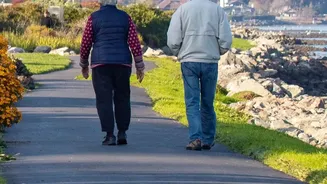
Incorporating this into your routine doesn't have to be complicated. In India, the post-dinner family stroll is a cherished tradition for a reason. You can make it a social activity by walking with family or friends. If you’re at the office after lunch, a quick walk around the block or even a few laps of a car park can work wonders. The key is consistency. Start small with a five or ten-minute walk after your largest meal of the day. You can use phone reminders or simply make it a rule to move as soon as you clear the table. The immediate feeling of better energy and lighter digestion will often be motivation enough to stick with it.