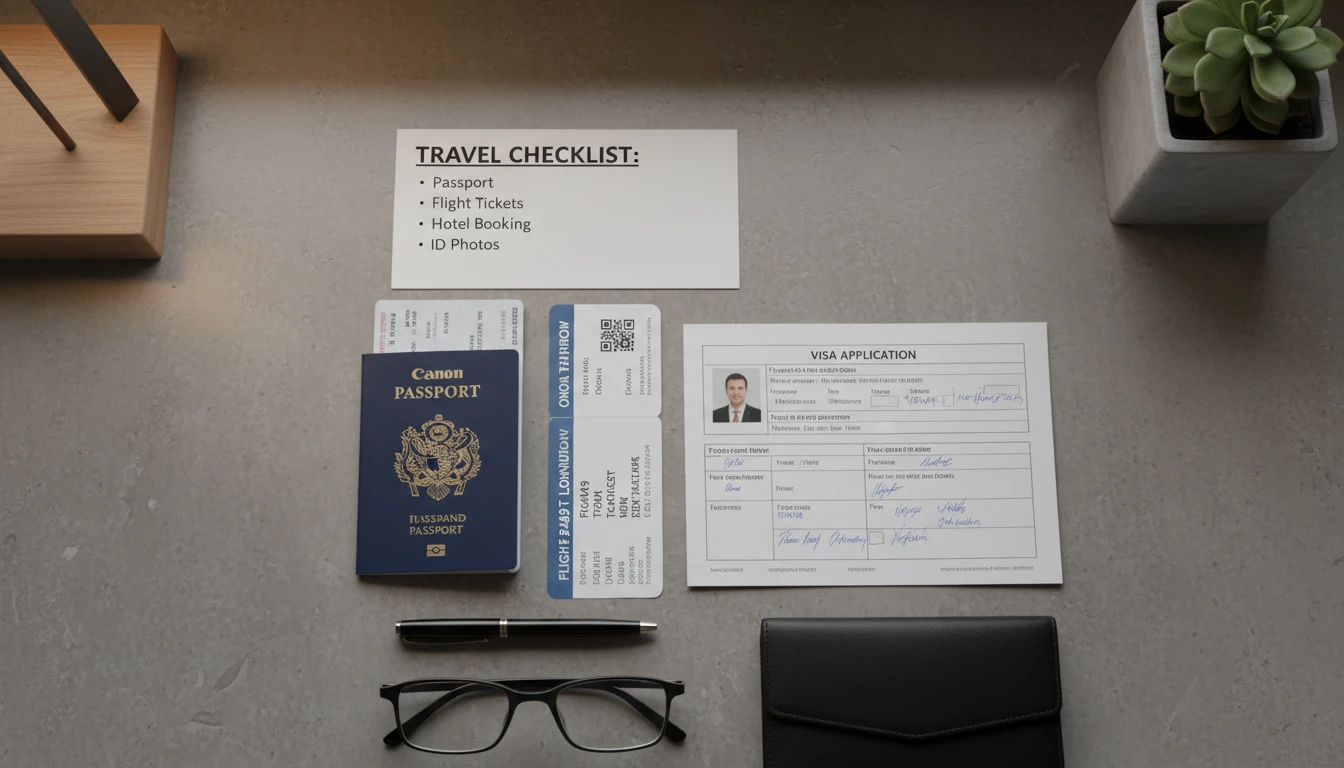







The Big Change: 60 Days Becomes 30
In a significant policy revision around mid-July 2026, the Thai government adjusted its visa-free scheme. For Indian passport holders, the temporary 60-day visa-free stay has been replaced with a 30-day visa-free period. This change was part of a broader
move to standardize entry rules and enhance security, applying a “one country, one entitlement” principle. While there was initial confusion about whether visa-free entry would be scrapped entirely, Thai authorities confirmed the 30-day exemption for India, noting the country is a crucial tourism market. This means for trips up to a month, you can still enter without applying for a visa beforehand. However, for longer holidays, you will now need to secure the appropriate visa in advance of your travel.
Why Your Itinerary Is Suddenly Crucial
The new, shorter stay limit isn't the only reason to plan more carefully. The policy overhaul comes with a stated goal of tightening security and ensuring visitors are genuine tourists. While immigration officers have always had the right to ask for proof of your travel plans, the new environment makes it more important than ever to have your documents in order. A well-prepared itinerary is no longer just for organization; it’s your best tool to demonstrate your clear intention to travel as a tourist and depart within the permitted time. This means having confirmed details for your accommodation, onward travel, and a general plan for your activities within the 30-day window.
Requirement 1: Proof of Accommodation
Upon arrival, you may be asked to present proof of accommodation for your stay in Thailand. This doesn't necessarily mean you need every single night booked, but a detailed plan is advisable. For a smooth immigration experience, it's best to have printed or digital copies of your hotel or guesthouse bookings for at least the first week of your trip. Many travellers opt to book accommodations with free cancellation policies, which provides flexibility while still meeting the entry requirement. If you plan to travel spontaneously after your first week, be prepared to explain your general travel route and the areas you intend to visit. The key is to show you have a credible plan and are not entering without any arrangements.
Requirement 2: Onward Flights and Funds
Two other long-standing but now more frequently checked requirements are proof of onward travel and sufficient funds. You must have a confirmed flight ticket out of Thailand dated within your 30-day permitted stay. Airlines will almost certainly check this before you even board your flight to Thailand. Additionally, immigration officials can ask for proof of funds to cover your expenses. The standard amount is 10,000 Thai Baht per individual or 20,000 Thai Baht for a family. While they may not always ask, and this can be shown via a bank statement or credit card, having access to these funds is a mandatory part of the entry conditions.
Don't Forget the Digital Arrival Card
A crucial step for all foreign travellers, regardless of their visa status, is completing the Thailand Digital Arrival Card (TDAC). This has replaced the old paper-based TM.6 form and is mandatory. You must fill this out online within 72 hours before your arrival. The system is free to use on the official immigration website. Completing this in advance saves you time and potential hassle at the airport. You will receive a QR code upon completion, which you should save to your phone to present at the immigration counter.