







The Ancient Porridge in a New Avatar
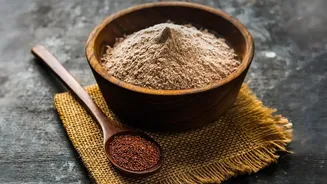
At its heart, Ambali is a simple, fermented porridge made from finger millet, famously known as ragi. For generations, it has been a staple in states like Karnataka, Tamil Nadu, and Odisha, cherished for its ability to cool the body and provide lasting
energy for a hard day's work. Traditionally, it’s a savoury, slightly tangy gruel, prepared by cooking ragi flour with water, allowing the mixture to ferment overnight, and then thinning it with buttermilk and seasoning it with salt and perhaps some raw onions. This fermentation is the key to its magic, a process our ancestors perfected long before we had the vocabulary of probiotics and gut health. It was considered a humble food, the kind of nourishment that connects one to the earth.
A Powerhouse for Your Gut
The recent buzz around Ambali is firmly rooted in the science of fermentation. The overnight fermenting process transforms the simple ragi porridge into a powerhouse of probiotics—live, beneficial bacteria that are crucial for a healthy digestive system. These microorganisms help balance your gut microbiome, which can improve digestion and boost immunity. Fermentation also breaks down anti-nutrients like phytic acid present in the millet. This dramatically increases the bioavailability of essential minerals locked within the grain, such as calcium, iron, and zinc, making them easier for your body to absorb. In fact, ragi is one of the best plant-based sources of calcium, and fermentation makes it even more potent.
From Farm Fields to Cafe Menus
So why is this rustic drink suddenly showing up in city cafes? The shift is driven by a global wellness movement that champions gut health and a return to traditional, unprocessed foods. As consumers become more aware of the benefits of fermented foods like kombucha and kimchi, they are looking for local alternatives. Ambali fits the bill perfectly. Modern cafes are giving it a contemporary twist, sometimes serving it as a chilled 'gut shot', a base for a smoothie bowl, or infused with new flavours like mint or ginger. It's being celebrated not as 'poor man's food', but as a wise, ancient superfood that aligns perfectly with today's health-conscious lifestyle.
More Than Just a Health Trend
To see Ambali only as a health trend would be to miss its cultural soul. For many, its earthy, tangy flavour is a taste of home and a reminder of simpler times. It represents a culinary wisdom that is sustainable, local, and deeply connected to the seasons, especially the hot summer months when its cooling properties are most valued. The traditional way of serving it with a side of pickles, green chillies, or fresh greens speaks to a balanced approach to eating that values flavour as much as function. The revival of Ambali is therefore not just about rediscovering a drink, but about honouring a legacy of holistic and intuitive eating that has been passed down through generations.
How You Can Try Ambali
While you might find Ambali at niche health cafes or restaurants specializing in regional Indian cuisine, it’s also incredibly easy to make at home. The process is simple: cook ragi flour with water to form a porridge, let it cool, and then cover it and leave it to ferment at room temperature overnight. The next morning, you can whisk the fermented porridge with buttermilk or curd, add salt, and customize it with chopped onions, coriander, or roasted cumin powder. The key is to avoid reheating the Ambali, as heat will destroy the beneficial live cultures that are the primary reason for its health benefits. Whether you buy it or make it, you’ll be partaking in a tradition that is both ancient and perfectly suited for the modern age.