







The Old System of Uncertainty
For years, students unhappy with their marks faced a somewhat opaque process. Applying for re-evaluation felt like a gamble. You would apply for a re-totalling of marks, but you couldn't see your own answer sheet to understand what might have gone wrong.
This lack of transparency was a major source of anxiety. Students were often left wondering if an answer was left unchecked or if there was a simple totalling error. The inability to review their own performance and challenge specific evaluations left many feeling powerless and frustrated, waiting weeks for a result with very little insight into the process.
The Update: A Three-Step Process for Clarity
The significant update from CBSE isn't a single new rule but a streamlined, multi-step process designed for transparency. [2] This system empowers students by breaking down re-evaluation into three distinct, sequential stages: Verification of Marks, Obtaining a Scanned Photocopy of the Answer Sheet, and finally, Re-evaluation of specific answers. [2] You must follow this sequence; you cannot jump straight to re-evaluation. [2] This structured approach ensures that students can make informed decisions at each step, armed with more information than ever before. Recent circulars confirm this online-first process is now standard for both Class 10 and 12. [5, 15]
Step 1: Verification of Marks
The first step is the simplest. If you suspect a totalling error or believe an answer wasn't marked at all, you can apply for 'Verification of Marks'. This is a basic check to ensure all questions have been assessed and the marks are added up correctly. [2] The application is done online through the CBSE portal. [3] According to recent guidelines, the fee for this service is quite nominal, often around ₹100 to ₹500 per subject, depending on the specific circular for that year. [2, 4] This is the mandatory first gate you must pass through if you intend to proceed further. [2]
Step 2: Getting Your Answer Sheet
This is the most game-changing part for students. After the verification process, you can apply to receive a scanned, digital copy of your own evaluated answer sheet. [14] This allows you to scrutinize every page, every answer, and the marks awarded by the examiner. [4] This transparency is crucial; it moves the process from a 'blind' request to an evidence-based one. The application is done online, and there is a fee per answer book. [2] Only those who apply for and receive a photocopy of their answer sheet are eligible to proceed to the final step. [7]
Step 3: Targeted Re-evaluation
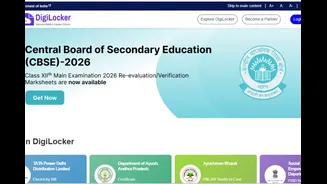
After reviewing your answer sheet, if you are convinced that a specific answer deserves more marks or was evaluated incorrectly based on the marking scheme, you can apply for re-evaluation. [4] Unlike the old system, you don't just ask for a blanket re-check. Instead, you challenge specific questions. [5] The fee for this stage is often calculated per question, making it a targeted and cost-effective approach. [2, 8] It’s important to note that marks can increase, decrease, or remain the same, and the final result is binding. [2, 4] The results and any revised marksheets are now conveniently released in phases on students' DigiLocker accounts. [9, 10]