
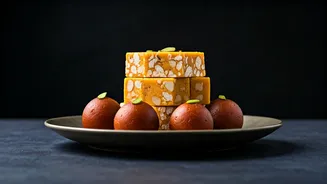


The New Sweet Wave
For generations, mithai has been synonymous with celebrations, festivals, and simple joys. But in recent years, a perception had grown of traditional sweets as being cliché or overly indulgent. Now, that's changing. The Indian sweets market is experiencing
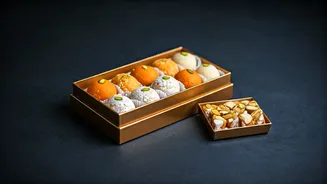
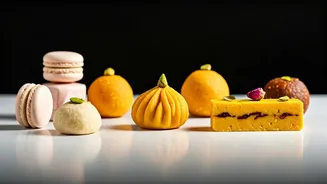
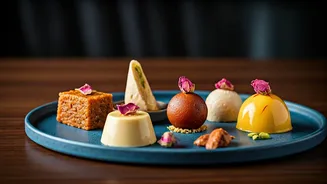
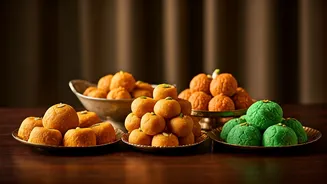
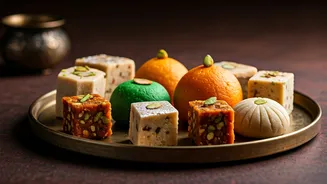
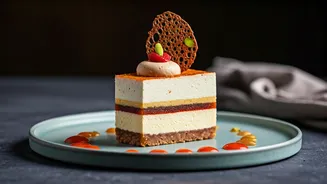
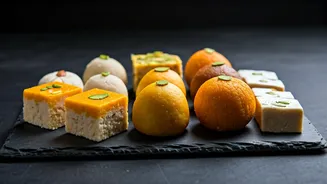
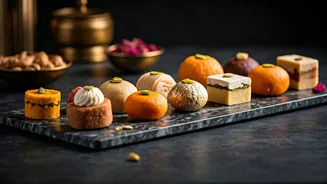
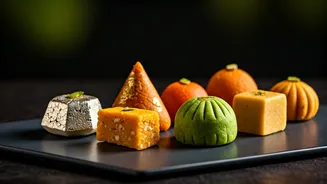
a significant transformation, with the organised segment growing at over 16% annually. This isn't just about legacy brands; it's about a new category of 'gourmet' or 'artisanal' mithai. These modern confectioners are treating mithai with the same reverence as fine chocolates or French pastries, focusing on high-quality ingredients, sophisticated presentation, and innovative flavours that cater to a contemporary palate. This movement is propelling a cultural legacy into the 21st century with style and creativity.
Artisans of a New Age
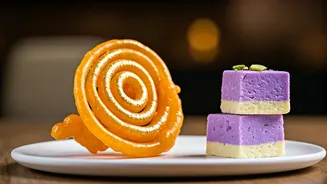
Across India's metros, a host of boutique brands are leading this charge. Mumbai's Bombay Sweet Shop, for instance, offers playful creations like a Dark Chocolate & Coffee Barfi and Hazelnut Besan Barfi. Delhi-based Khoya is known for its elegant, minimalist approach, with products like White Chocolate Aam Papad Barfi. Other brands like Gur Chini and Healthy Mithai Co. are focusing on the health-conscious consumer, using natural sweeteners like stevia, jaggery, and dates. These brands are experimenting with global flavour pairings and fusion concepts, creating everything from gin-and-cranberry motichoor laddoos (Nihira's) to lavender barfi and coffee-infused milk cakes. The result is a fascinating hybrid where the warmth of ghee meets the precision of a patisserie.
Beyond Just Sugar and Ghee
Three key trends are driving this premiumisation. First is the demand for healthier options. Consumers are looking for sweets that are low in sugar, gluten-free, vegan, or made with natural alternatives like coconut sugar. Brands like Satvik Laddu and Anand Sweets are using ingredients like figs, millets, oats, and even Ayurvedic herbs to cater to this. Second is the focus on premium and clean-label ingredients. Artisanal makers are using high-end nuts like hazelnuts and macadamias, single-origin cacao, and superfoods like chia and quinoa. Finally, aesthetics play a huge role. Inspired by luxury brands, the packaging is now as exquisite as the sweet itself, making mithai a desirable and sophisticated gift.
A Return to Roots, Reimagined
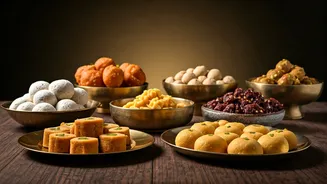
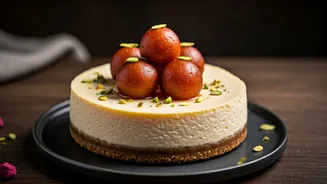
This trend is more than just a culinary fad; it represents a cultural shift. It’s about a new generation of Indians looking inward and applying world-class skills to reinterpret what they already love. It signals a renewed pride in Indian culinary heritage, but with a desire to see it evolve. The goal isn't to replace the classic gulab jamun or jalebi, but to create a parallel category that offers a different kind of experience—one that is both nostalgic and modern. It's a culinary homecoming, where tradition is honoured through innovation, ensuring that India's sweetest customs continue to thrive in a contemporary form.