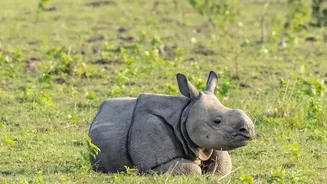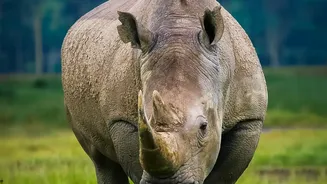





The sight of a greater one-horned rhinoceros, with its armour-like hide and prehistoric presence, is unforgettable. In the grasslands of Assam's Kaziranga National Park, these giants roam freely, embodying one of the world's greatest conservation stories.
A Fortress of Grass and Water
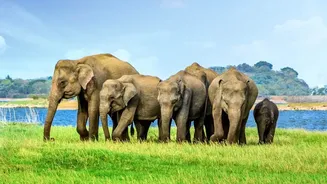
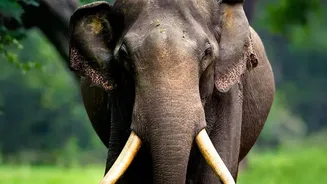
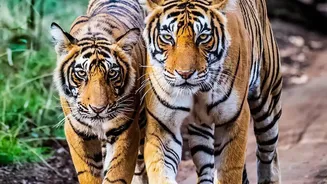
Kaziranga National Park, a UNESCO World Heritage Site, is a sprawling expanse of tall elephant grass, marshland, and dense forests, crisscrossed by the Brahmaputra River. This unique floodplain ecosystem is what makes it the perfect habitat for the one-horned rhino. Home to over two-thirds of the world's population, Kaziranga is the single most important stronghold for this magnificent species. The park’s incredible biodiversity also includes significant populations of elephants, tigers, wild water buffalo, and swamp deer, making it one of the finest wildlife refuges on the planet.
From the Brink of Extinction
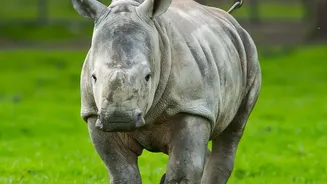
The rhino's story is one of remarkable recovery. In the early 1900s, rampant hunting for sport and its horn had pushed the species to the verge of extinction, with possibly fewer than 200 individuals remaining. Alarmed by this, conservation efforts began in 1905, when Kaziranga was established as a Reserved Forest, largely thanks to the persuasion of Mary Curzon, wife of the then-Viceroy of India. Over the next century, through dedicated legal protection and management, the area was upgraded to a Wildlife Sanctuary in 1950 and finally declared a National Park in 1974. Today, the latest census from 2022 recorded 2,613 rhinos within the park, a testament to decades of tireless work.
The Safari: A Window into Conservation
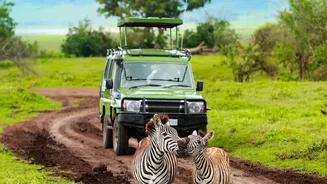
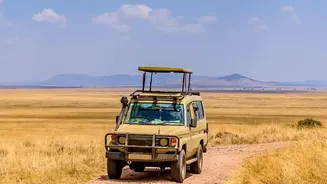
A safari in Kaziranga offers more than just a glimpse of wildlife; it is an immersion into this living conservation success. Visitors can choose between two main experiences: the jeep safari and the elephant safari. Jeep safaris cover more ground, exploring the park's different ranges like the central Kohora and western Bagori zones, which are known for rhino sightings. Elephant safaris, typically conducted in the early morning, offer a unique vantage point, allowing riders to navigate the tall grasses and get remarkably close to the rhinos in their natural habitat. Both provide a profound appreciation for the scale of the park and the wildness it preserves.
Persistent Threats and Unwavering Guardians
Despite its success, Kaziranga faces constant challenges. Poaching, driven by the illegal international demand for rhino horn, remains a persistent threat. The park's location on the Brahmaputra floodplain also makes it vulnerable to severe annual floods, which can submerge vast areas and force animals to flee to higher ground, often across the dangerous National Highway 37 that borders the park. To counter these dangers, Kaziranga employs a dedicated team of forest guards who conduct rigorous anti-poaching patrols. The involvement of local communities in conservation, through eco-tourism and intelligence gathering, has also been crucial in protecting the park’s wildlife.
A Shared Future
The comeback of the one-horned rhino is not just a victory for a single species, but for the entire ecosystem. The stringent protection measures for rhinos have created a safe haven for other animals, including a thriving tiger population, leading to Kaziranga's designation as a Tiger Reserve in 2006. The park also serves as a source population, with rhinos from Kaziranga being translocated to other protected areas like Manas National Park to re-establish new populations under initiatives like Indian Rhino Vision 2020. This strategy helps mitigate the risks of having the majority of a species concentrated in one location.