




What Makes a Great Bedroom Plant?
Before you choose a plant, it helps to know what qualities to look for. Since bedrooms are often smaller and may not have bright, direct sunlight, the ideal plant is one that is comfortable in low to moderate light. It should also be compact, either naturally
or through easy pruning, so it doesn’t overwhelm your space. Most importantly for a beginner, it needs to be forgiving. A low-maintenance plant will tolerate occasional forgetfulness when it comes to watering. While many plants are touted for their air-purifying abilities based on a 1989 NASA study, it's important to have realistic expectations. Research has since suggested you would need a large number of plants to significantly clean the air in a typical room. Think of any air-cleaning properties as a small bonus to their primary benefits: boosting your mood and beautifying your space.
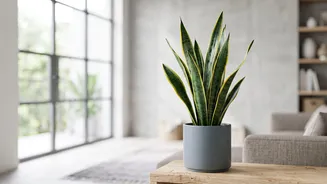
Snake Plant (Sansevieria trifasciata)
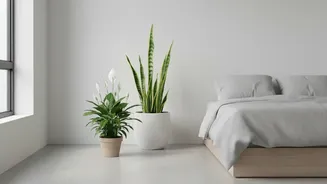
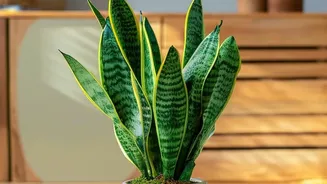
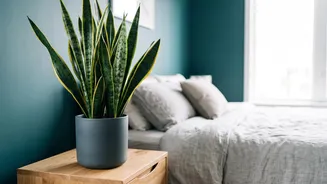
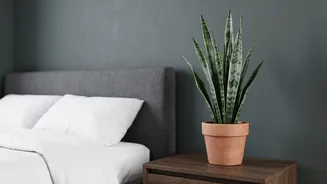
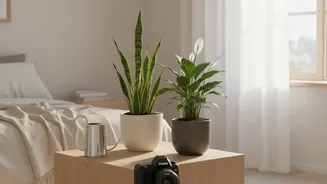
The Snake Plant is at the top of nearly every list of indestructible houseplants for good reason. Its stiff, upright leaves grow vertically, meaning it has a very small footprint, making it perfect for tight corners or small bedside tables. It's renowned for its ability to tolerate extremely low light and infrequent watering. In fact, it prefers its soil to dry out completely between waterings. One of its unique qualities is its ability to perform a type of photosynthesis that allows it to release oxygen at night, which most other plants do during the day. This makes it an excellent companion for a restful environment. It's also noted for its ability to filter toxins like formaldehyde and benzene from the air. Note: Snake Plants are mildly toxic if ingested, so keep them away from curious pets and children.
ZZ Plant (Zamioculcas zamiifolia)
If you worry you have a 'black thumb,' the ZZ Plant is for you. It is famously low-maintenance, thriving on neglect to the point where its main requirement is that you don’t water it too much. It stores water in its underground rhizomes, so it can go for weeks or even a month between waterings. The ZZ Plant has wide, dark green, glossy leaves that look attractive in any decor. It grows happily in low-light conditions, making it ideal for bedrooms that lack sunny windows. Like the snake plant, it's a capable air purifier, known to remove toxins like xylene and toluene. Its upward-facing leaves also make it a popular choice in Feng Shui for bringing in good fortune. The ZZ Plant is also toxic if ingested, so be mindful of its placement around pets and kids.
Spider Plant (Chlorophytum comosum)
The Spider Plant is a classic for beginners and a champion of resilience. Its arching, variegated leaves create a beautiful fountain-like effect, and it looks especially good in a hanging basket, which is a great space-saving solution for a small room. This plant is very forgiving and adaptable, preferring bright, indirect light but tolerating lower light levels. It's also known for being an effective air purifier, adept at removing formaldehyde and xylene from the environment. One of the most charming features of a mature Spider Plant is its habit of producing small 'spiderettes,' or baby plants, that dangle from the mother plant. These can be easily snipped off and propagated to create new plants. Best of all, Spider Plants are non-toxic and completely safe for cats and dogs, making them a worry-free choice for pet owners.
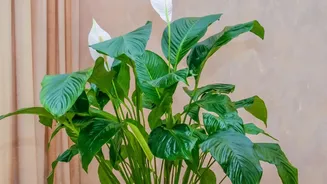
Peace Lily (Spathiphyllum)
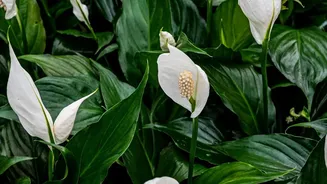
For those who want a plant that flowers without much fuss, the Peace Lily is an excellent choice. It produces elegant white spathes that look like flowers and can bloom intermittently throughout the year. It's known for its ability to thrive in lower light conditions and will even give you a clear signal when it's thirsty: its leaves will dramatically droop. A quick watering will have it perking right back up. This communication makes it great for beginners who are learning to read a plant's needs. The Peace Lily is also a powerhouse air purifier, ranking high in NASA’s study for its ability to remove several toxins, including ammonia, benzene, and formaldehyde. Keep this plant on a dresser or floor, as it can grow to be a decent size. It's important to note that Peace Lilies are toxic to both cats and dogs if ingested.
Parlor Palm (Chamaedorea elegans)
If you want to add a touch of the tropics to your bedroom, the Parlor Palm is a superb option. It has been a popular indoor plant for decades because it is exceptionally adaptable to indoor conditions. It tolerates lower light and is relatively slow-growing, so you won't have to worry about it quickly outgrowing your space. Its feathery, arching fronds create a soft, elegant look without taking up too much room. The Parlor Palm is a great choice for adding a bit of lush greenery and is also non-toxic to pets, giving you peace of mind. It prefers its soil to be kept lightly moist but is generally forgiving if you miss a watering now and then.