




The ‘Why’ Behind the Trend
The shift towards minimalist desk setups is about more than just aesthetics; it's a direct response to the demands of modern work. Research shows that visual clutter competes for your attention, draining mental energy that could be used for focused tasks.
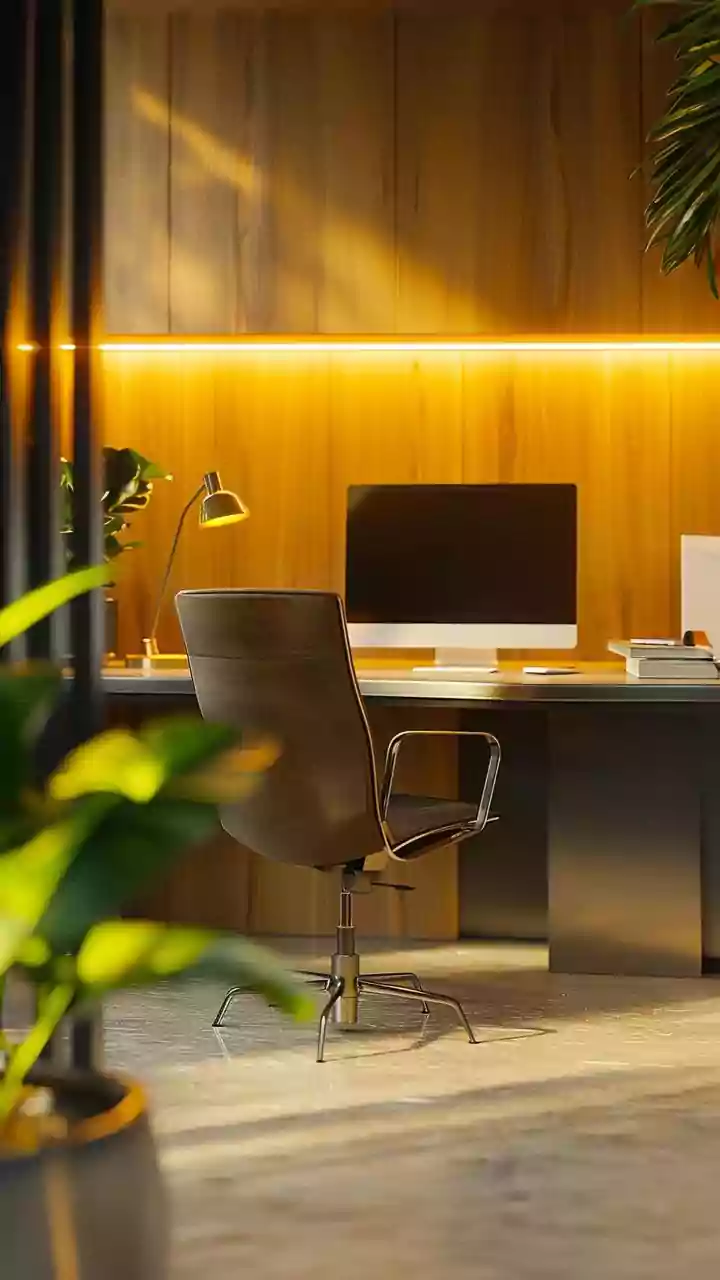
A clean, organised workspace reduces these distractions, helping to lower stress and improve concentration. By intentionally choosing fewer, better items, professionals are curating an environment that promotes clarity. The warmth and natural texture of wood provide a welcome contrast to cold technology, creating a space that feels grounded and intentional. It’s a small-scale investment in daily well-being and a rebellion against the chaotic, 'always-on' nature of remote work.
Core Components: Minimalist Wooden Storage
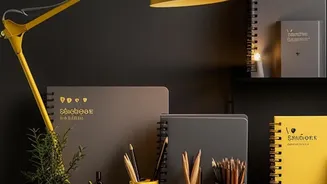
Achieving this look starts with smart storage that combines form and function. Instead of plastic trays and wire mesh cups, the focus is on high-quality wooden pieces that hide clutter and organise essentials. A wooden monitor stand is a popular starting point, as it elevates the screen to an ergonomic height while creating valuable storage space underneath for a keyboard or notebooks. Small, multi-compartment valet trays are perfect for corralling everyday items like keys, pens, and wireless earbuds. For those with more paper to manage, sleek wooden paper trays keep documents sorted without creating messy piles. The key is to select pieces with a cohesive wood tone, like walnut or bamboo, to create a unified look.
Setting the Mood with Ambient Light
Lighting is the second critical element in transforming a sterile desk into an inviting workspace. Harsh overhead lighting can cause significant eye strain and headaches over a long workday. The solution is a layered approach that combines different types of light. Ambient lighting provides a soft, general glow that fills the room and reduces the stark contrast between your bright screen and a dark room. This can be achieved with a floor lamp in the corner or, more popularly, with LED light strips placed behind the desk or monitor. These strips often offer adjustable warmth, allowing you to use a cooler, daylight-like tone for focus during the day and a warmer, sunset-like tone to help you wind down in the evening.
The Role of Task Lighting
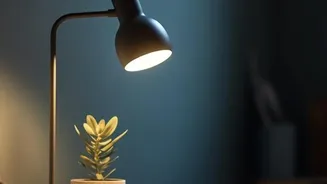
While ambient light sets the overall mood, task lighting provides the focused illumination needed for specific activities like reading or writing. The most popular and minimalist-friendly solution is a monitor light bar. This is a slim LED lamp that sits on top of your computer monitor, casting light down onto your desk without taking up any surface area or causing glare on your screen. It directs light exactly where you need it, preventing eye strain without creating harsh shadows. Paired with good ambient light, a monitor bar completes a lighting setup that is both highly functional and aesthetically clean, supporting productivity for long hours.
Bringing It All Together
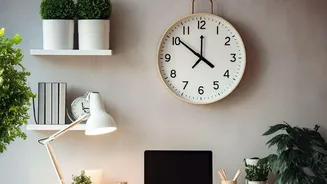
The final step is integrating these elements into a cohesive whole. Effective cable management is non-negotiable for a minimalist look; use wooden cable management boxes, clips, or sleeves to hide cords and chargers from sight. Beyond the desk itself, consider adding floating wall shelves to display a few curated items, like a plant or a couple of books, which adds personality without creating surface clutter. The goal isn't to create a sterile, empty space, but an intentional one. Each item on your desk should serve a purpose or bring you joy. By combining the natural warmth of wood with the soft glow of ambient light, you can create a workspace that not only looks professional but actively supports a more focused and peaceful workday.