



The Lithium Bottleneck
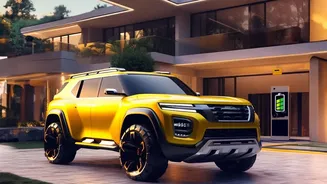
For years, the electric vehicle revolution has run on lithium. It's the key ingredient in the lightweight, energy-dense batteries that power everything from scooters to cars. However, this reliance has created significant hurdles for India's EV ambitions.
The country imports nearly all of its lithium, making it vulnerable to volatile global prices and supply chain disruptions. This dependency is a major strategic and economic challenge, as battery packs can constitute up to 40% of an EV's total cost. To truly achieve mass adoption and make EVs accessible to a wider population, India needs a different approach—one that is less dependent on imported minerals and leverages domestic strengths.
Enter Sodium-Ion: A Game-Changing Alternative
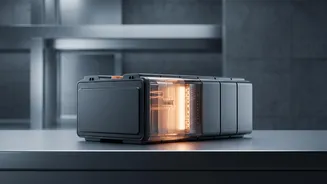
Sodium-ion batteries are not a new idea, but they are experiencing a major resurgence as a viable alternative to lithium-ion technology. Instead of lithium, these batteries use sodium ions to store and transfer energy. The primary advantage is the raw material itself. Sodium is one of the most abundant elements on Earth, found in common salt, and far cheaper than lithium. This drastically changes the supply chain equation. Instead of competing for scarce, geopolitically sensitive resources, India can rely on something readily available within its own borders. Furthermore, sodium-ion batteries often don't require other expensive minerals like cobalt and nickel, further simplifying production and reducing costs.
India's Domestic Push
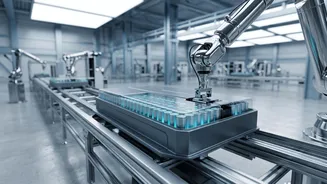
Several Indian companies and research institutions are making significant strides in developing and commercialising this technology. Pune-based KPIT Technologies has developed a sodium-ion battery that promises a 25-30% cost reduction compared to lithium-ion equivalents and has partnered with Trentar Energy Solutions to begin commercialisation. Similarly, corporate giants like Reliance Industries have invested heavily, acquiring UK-based sodium-ion leader Faradion and planning to fast-track the technology for its battery giga-factory in Jamnagar. Just this month, JSW Group also announced a major R&D centre that will focus on sodium-ion technology. The government is also backing this shift, with recent reports indicating that sodium-ion technology in India has reached a high level of maturity, potentially moving from pilot projects to commercial production within two to three years.
Lower Costs and Enhanced Safety
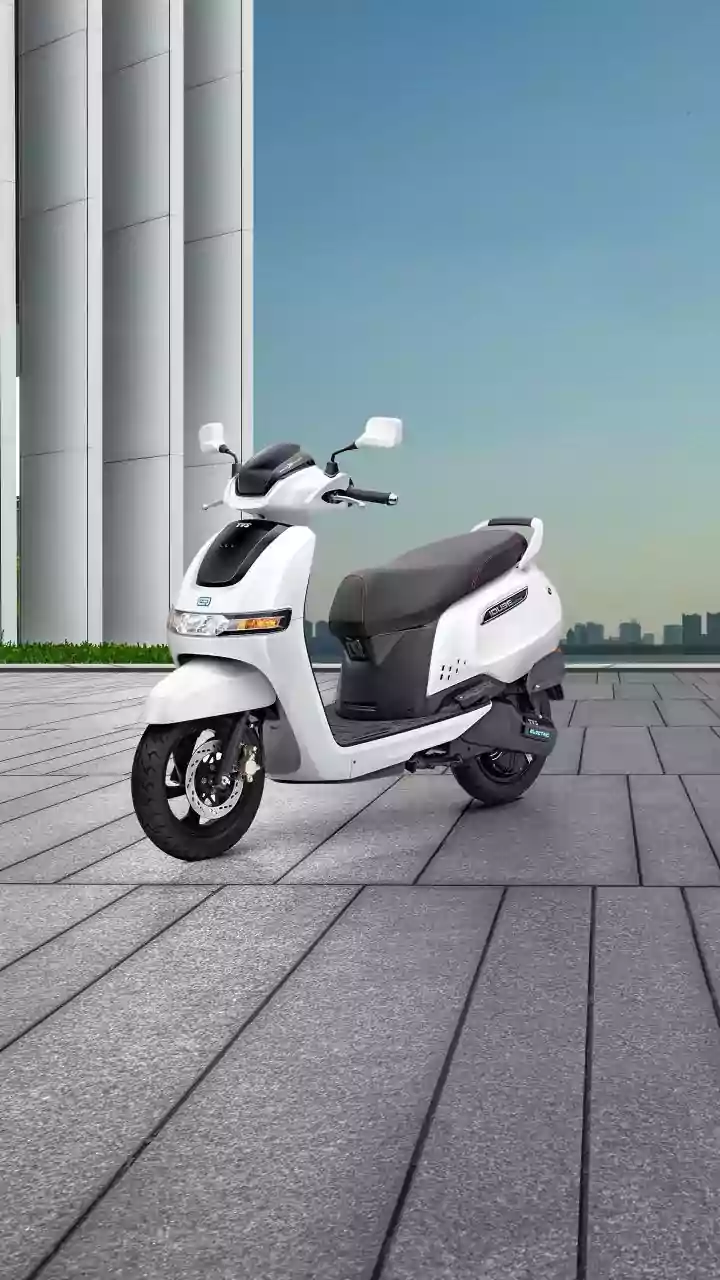
The most immediate benefit for consumers is the potential for significantly cheaper EVs. By localising the raw material supply and manufacturing process, companies can pass on substantial cost savings. This is particularly crucial for India's massive two and three-wheeler market, where price sensitivity is a major factor in purchasing decisions. Beyond cost, sodium-ion batteries offer a compelling safety advantage. They are inherently more stable and have a lower risk of thermal runaway (catching fire) compared to some lithium-ion chemistries. They can also be transported and stored at zero volts, which simplifies logistics and improves handling safety. Many new designs also boast faster charging times and a long cycle life, making them practical for everyday use.
The Road to Aatmanirbhar Bharat
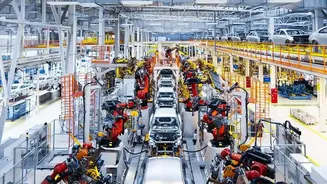
While sodium-ion batteries currently have lower energy density than their lithium counterparts—meaning they are heavier for the same amount of power—they are perfect for applications where space and weight are less critical, such as in city-based two-wheelers, commercial vehicles, and stationary energy storage. The development of a domestic sodium-ion battery ecosystem aligns perfectly with the government's Aatmanirbhar Bharat (Self-Reliant India) mission. By building a supply chain based on abundant local resources, India can reduce its import dependency, bolster its energy security, and create a robust domestic manufacturing industry. This isn't just about making cheaper EVs; it's about taking control of the entire value chain, from raw material to the finished product, and positioning India as a leader in sustainable transportation.