



The Unseen Risk in a New Pot
The joy of adding a new plant to your home can quickly turn to panic if you discover it came with hidden hitchhikers. Even the healthiest-looking specimens from reputable nurseries can harbour the eggs or early stages of common pests like spider mites,
mealybugs, and scale. An infestation might not be visible at the time of purchase, but once it takes hold, it can spread with alarming speed to your established plants. Think of quarantine not as a chore, but as essential insurance. A few weeks of patience upfront can save you from the heartache and hassle of a full-blown pest emergency that puts your entire indoor garden at risk.
Creating a Quarantine Zone
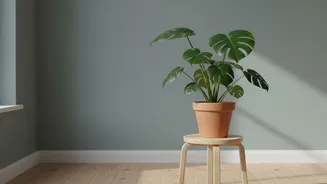
Your quarantine area doesn't need to be a high-tech lab; it just needs to be separate. The goal is to create physical distance between the new arrival and your existing collection. An ideal spot is a separate room, like a bathroom or a spare bedroom, where the new plant can live in isolation. If space is tight, a distant corner of a room, far from any other greenery, can work in a pinch. The key is ensuring there is no leaf-to-leaf contact and enough space to prevent pests from travelling. Even a metre of separation is better than nothing. Ensure the spot still provides adequate light for the plant to survive, though it may not need its ideal growing conditions just yet. Good air circulation is also beneficial.
The Initial Head-to-Toe Inspection
Before placing your new plant in its isolation spot, give it a thorough examination. This is your first and best chance to catch obvious problems. Start by checking the soil surface for any visible insects or mould. Then, carefully examine the stems, paying close attention to the nooks and crannies where leaves join the stem—a favourite hiding spot for many pests. The most critical part of the inspection is the leaves. Be sure to check both the top and underside of every single leaf. Many pests, like spider mites and mealybugs, prefer to hang out on the underside. Look for discoloration, strange spots, fine webbing, or any sticky residue, which is often a sign of sap-sucking insects. A magnifying glass can be your best friend during this process.
Common Culprits to Watch For
Knowing what you're looking for makes detection much easier. Here are some of the most common houseplant pests: Spider Mites are tiny and often reveal themselves through the fine, silky webs they create between leaves and stems. You might also see tiny yellow speckles on the leaves. Mealybugs appear as small, white, cotton-like masses, typically clustered in leaf axils or on the undersides of leaves. Scale insects look like small brown or tan bumps that attach themselves to stems and leaves. They can often be scraped off with a fingernail. Aphids are small, often green or black insects that cluster on new growth and leave behind a sticky substance called honeydew. Fungus Gnats are small, flying insects that resemble fruit flies and are usually seen hovering around the soil.
The Art of Patient Observation
The standard, science-backed quarantine period is four to six weeks. A shorter period might miss pests with longer life cycles, where eggs could hatch weeks after you bring the plant home. During this time, your job is patient observation. Check on the plant every few days, performing the same thorough leaf and stem inspection you did on day one. This regular monitoring is what allows you to spot a problem before it becomes an infestation. Water the plant as needed, but be careful not to overdo it, as its conditions in quarantine might be different from its final home. If at any point you see signs of pests, you can treat the single plant without having to worry that the problem has already spread.
Graduating with Flying Colours
After four to six weeks of showing no signs of pests or disease, your plant is ready to graduate from quarantine. Before introducing it to your other plants, consider giving its leaves a gentle wipe-down with a damp cloth. This helps remove any dust and gives you one last chance for a close-up look. Now you can move your new, healthy plant to its intended spot, confident that you've taken the most important step in protecting the health and beauty of your entire indoor jungle. This simple act of diligence ensures that your new addition brings only joy, not trouble.