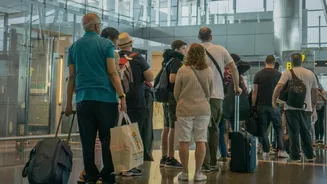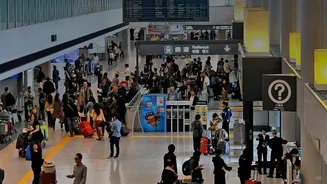







Master the Airport Before You Arrive
The battle against queues begins at home. The most significant time-saver at Indian airports is the Digi Yatra initiative. By downloading the app and linking your Aadhaar credentials, your face effectively becomes your boarding pass. This allows you to
use dedicated e-gates for entry and security, drastically cutting down on processing time. According to official reports, this facial recognition technology can reduce entry times from 15 seconds per passenger to just five. Always check in for your flight online 24 hours before departure to secure your digital boarding pass and bypass the long check-in counters at the airport. If you only have cabin baggage, you can proceed directly to security. Many credit cards in India offer complimentary lounge access, which provides a calmer pre-flight environment away from the crowded terminal gates. It's a simple perk that elevates the start of your journey.
Outsmart the Crowds at Tourist Hotspots
The world’s most famous landmarks often come with equally famous queues. The single most effective strategy is to book tickets online in advance. Most major attractions, from museums to observation decks, offer timed-entry tickets that let you bypass the long lines for ticket purchases. This simple step can save you hours. For city-wide exploring, look into city passes which often include fast-track entry to multiple popular sites. Timing is also crucial. Plan to visit top-tier attractions either first thing in the morning when they open or late in the afternoon before they close. Most tourists tend to visit mid-day, so you can avoid the peak rush by scheduling your visit for these off-hours. A quick search on Google Maps can even show you live and historical data on how busy a place is, helping you decide the best time to go.
Embrace the Digital Traveller's Toolkit
Your smartphone is your most powerful tool for saving time. Before you travel, download apps that can make your journey smoother. Itinerary organisers like TripIt consolidate all your bookings into one master schedule with real-time alerts. For navigating new cities, offline maps are a lifesaver. To stay connected without the hassle of buying a local SIM card, consider an eSIM from a provider like Airalo or Saily, which gives you instant data access upon arrival. Certain apps are now designed specifically to predict queue lengths. Services like FLIO or FlightQueue provide real-time updates on security wait times at various airports, helping you plan your arrival with more precision. Keeping all your documents—boarding passes, hotel confirmations, and tickets—digitally organised on your phone also means you’re not fumbling through bags at every checkpoint.
Strategic Planning for a Smoother Itinerary
How you structure your trip can have a huge impact on how much time you spend waiting. If your schedule allows, travel during the 'shoulder seasons'—the periods just before or after the peak tourist season. This not only means fewer crowds but often lower prices for flights and hotels. Similarly, travelling on weekdays instead of weekends can make a significant difference, especially for popular short-haul destinations. When building your daily itinerary, resist the urge to cram too much in. India, for example, is a vast country where travel between cities can take longer than expected. It’s better to explore one or two regions deeply rather than rushing through many. Build in rest days and be flexible; if a place seems overwhelmingly crowded, be prepared to adjust your plan and visit a lesser-known alternative nearby.