



The Aromatic Power of Lemongrass
Lemongrass (Cymbopogon citratus) is more than just a key ingredient in Southeast Asian cuisine. This fragrant grass is packed with natural oils, most notably citronellal and geraniol. These compounds are the powerhouses behind its famous bug-repelling
properties. You might recognise the name citronella from the ubiquitous candles and sprays used to ward off mosquitoes. While those products use a highly concentrated oil extracted from a cousin of culinary lemongrass, the fresh plant itself carries the same potent, lemony aroma that many insects, especially mosquitoes, find deeply unpleasant. By bringing fresh stalks into your home, you’re essentially creating small, fragrant no-go zones for these unwelcome guests.
Managing Expectations: Scent vs. Shield
Before you envision an impenetrable force field around your home, it’s important to set realistic expectations. Arranging fresh lemongrass stalks in a vase is a wonderfully natural and subtle method of deterrence. The scent released by a few stalks is localised and works best in smaller, enclosed, or still-air environments, like a cosy balcony, a bathroom, or next to a window. It won't clear a large garden of every mosquito, but it can certainly discourage them from hovering around your dining table or entering through an open door. For the best effect, the scent needs to be present. Think of it as a beautiful, gentle first line of defence, not a replacement for mosquito nets or heavy-duty repellents during peak season or in high-infestation areas. The primary benefit is the pleasant atmosphere it creates, with bug deterrence as a welcome bonus.
Choosing Your Materials
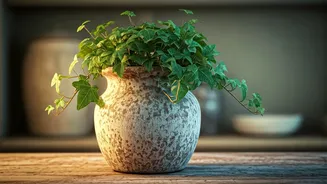
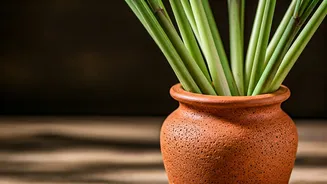
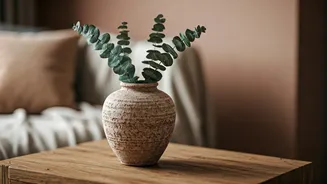
The beauty of this project lies in its simplicity. You only need two things: fresh lemongrass and a terracotta vase. **Lemongrass:** Look for the freshest stalks you can find, available at most Asian grocery stores or larger supermarkets. Choose stalks that are firm, greenish, and fragrant, with plump white bases. Avoid any that look dry, yellow, or withered. **Terracotta Vases:** The choice of terracotta is both aesthetic and practical. The earthy, porous nature of unglazed terracotta complements the natural, green look of the lemongrass stalks, creating a rustic and calming visual. While any vase will work, terracotta’s raw texture adds an organic element that feels perfectly suited to this purpose. Choose a vase that is tall enough to support the stalks and has a stable base.
A Simple Step-by-Step Guide
Creating your natural repellent arrangement takes just a few minutes. 1. **Prepare the Stalks:** Start by trimming off the very bottom of the lemongrass stalks, about half an inch from the base. This fresh cut will help them absorb water more effectively. Then, peel away any dry or loose outer layers until you reach the fresh, fragrant part of the stalk. 2. **Release the Scent:** To maximise the aroma, gently bruise the stalks. You can do this by bending them slightly or by lightly pressing along their length with the back of a knife. This helps release the essential oils trapped within the plant fibres. 3. **Arrange in Water:** Fill your terracotta vase with a few inches of fresh, cool water. There's no need to submerge the stalks completely; just enough water to keep the bases hydrated is sufficient. Arrange the stalks in the vase, fanning them out slightly to create a pleasing shape and allow for good air circulation. 4. **Placement is Key:** Position your vase in a strategic location. Ideal spots include entryway tables, kitchen countertops, windowsills, bedside tables, or on an outdoor patio table where you like to relax. Placing them in areas with gentle air movement can help diffuse the scent around the room.
Care and Refreshing Your Arrangement
To keep your lemongrass arrangement looking and smelling its best, a little maintenance is required. Change the water every two to three days to prevent it from becoming stagnant and to keep the stalks fresh. When you change the water, you can give the stalks another gentle bruise to reinvigorate their scent. The stalks themselves will last for about one to two weeks before they start to dry out and lose their potency. Once they begin to turn yellow or brown, it’s time to replace them with a fresh bunch. This simple routine ensures your space remains both beautiful and fragrantly protected.