


A Taste of 'God's Own Country'
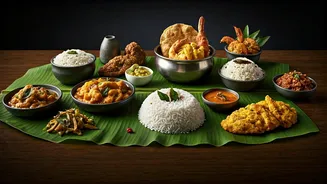
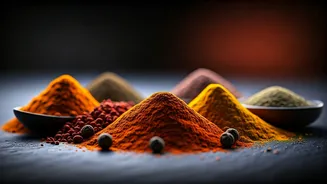
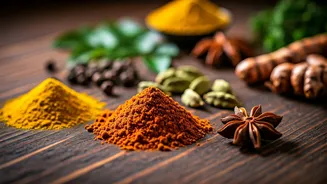
Nestled on India's tropical Malabar Coast, Kerala's cuisine is a world away from the butter-heavy dishes many associate with Indian food. Its identity is shaped by its geography: a long coastline provides abundant seafood, while inland hills grow a treasure
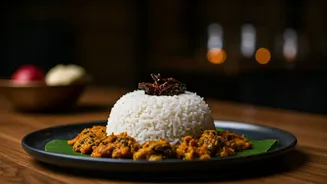
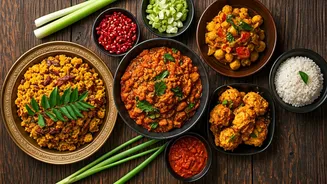
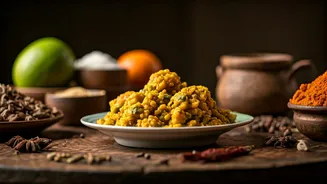
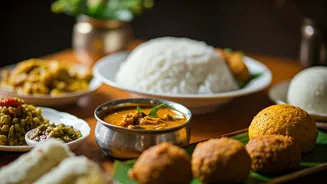
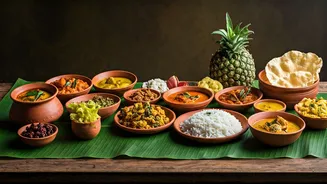
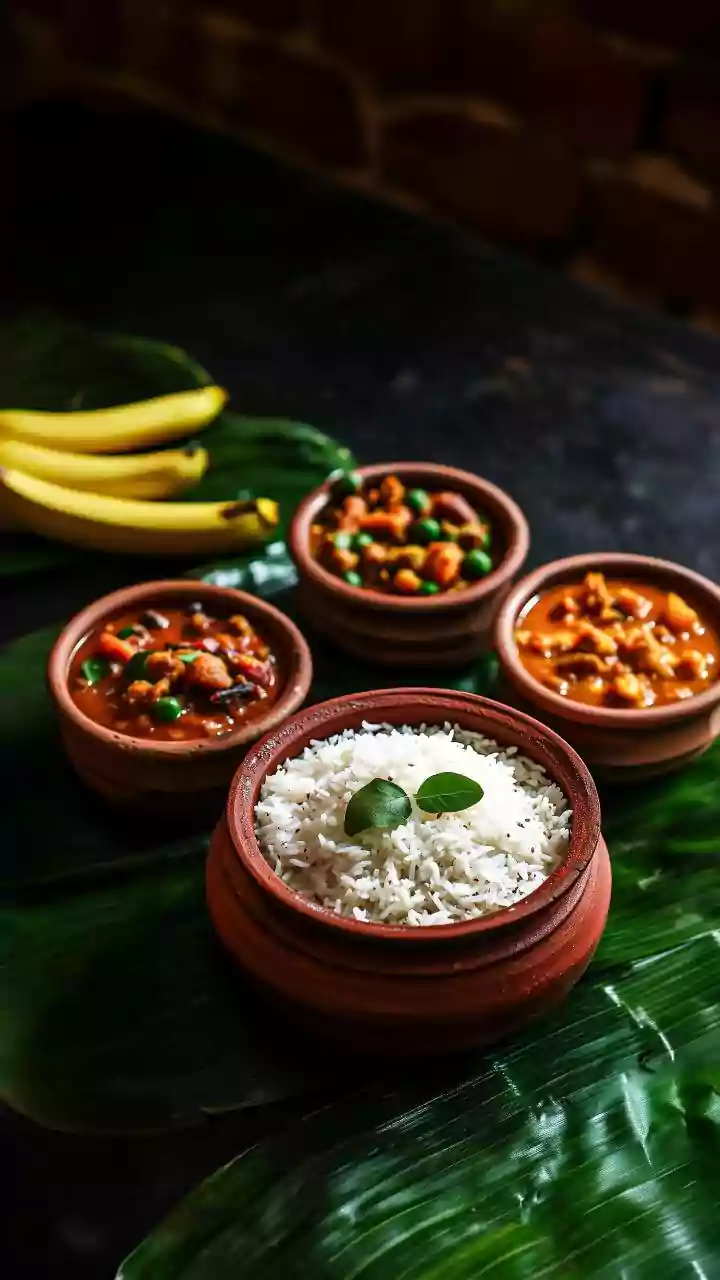
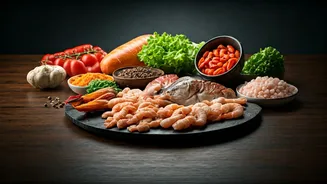
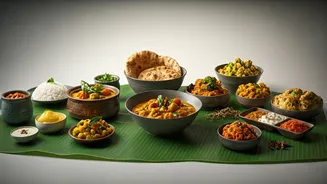
trove of spices like black pepper, cardamom, and cloves. [10, 23] Coconut is the undisputed star, used in grated form, as milk, or as oil, lending a characteristic creaminess and depth to many dishes. [9] This culinary tradition is a rich tapestry woven with influences from centuries of maritime trade with Arab, Portuguese, and Dutch settlers, creating a flavour profile that is complex and unique. [8, 23] From the multi-course vegetarian feast known as the Sadya, served on a banana leaf, to the flaky Malabar parottas and spicy beef fry, the variety is immense. [12]
From Local Gem to Global Recognition
The world is finally taking serious notice. In late 2025, the influential travel guide Lonely Planet named experiencing Kerala's culinary culture as one of the top 25 global travel experiences for 2026, marking a significant moment of recognition. [5, 17] The guide celebrated the state as one of India's "most thrilling culinary destinations," highlighting everything from the intricate flavours of a home-cooked Sadya to the sizzling secrets of its coastal kitchens. [5] Kochi, in particular, was singled out as an "under-the-radar culinary hub." [5] This sentiment is echoed by food intelligence platforms like Datassential, which identified Keralan food as its "Cuisine to Know for 2026," noting its growing appearance on menus across the United States. [18]
Chefs and Restaurants on the World Stage
This glow-up isn't just happening on paper; it's being led by talented chefs and pioneering restaurants. In London, Quilon, which specializes in the coastal cuisine of Southwest India, earned a Michelin star way back in 2008 and has held it ever since, proving the cuisine's fine-dining potential. [3, 26, 30] More recently, the global expansion of beloved South Indian restaurant chains like Paragon, which is famous for its Malabar cuisine, has introduced these distinct flavours to new audiences, particularly in the Middle East. [7] In New York, Semma, a restaurant celebrating southern Indian food, has retained its Michelin star for three consecutive years, with a menu deeply inspired by the chef's childhood in Tamil Nadu, a region with culinary links to Kerala. [6] This broader rise of regional Indian food, moving beyond generic curries, is creating the perfect environment for Kerala's specific offerings to shine. [11, 13]
Why Now? The Perfect Recipe for Fame
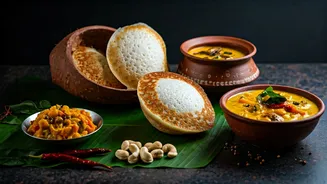
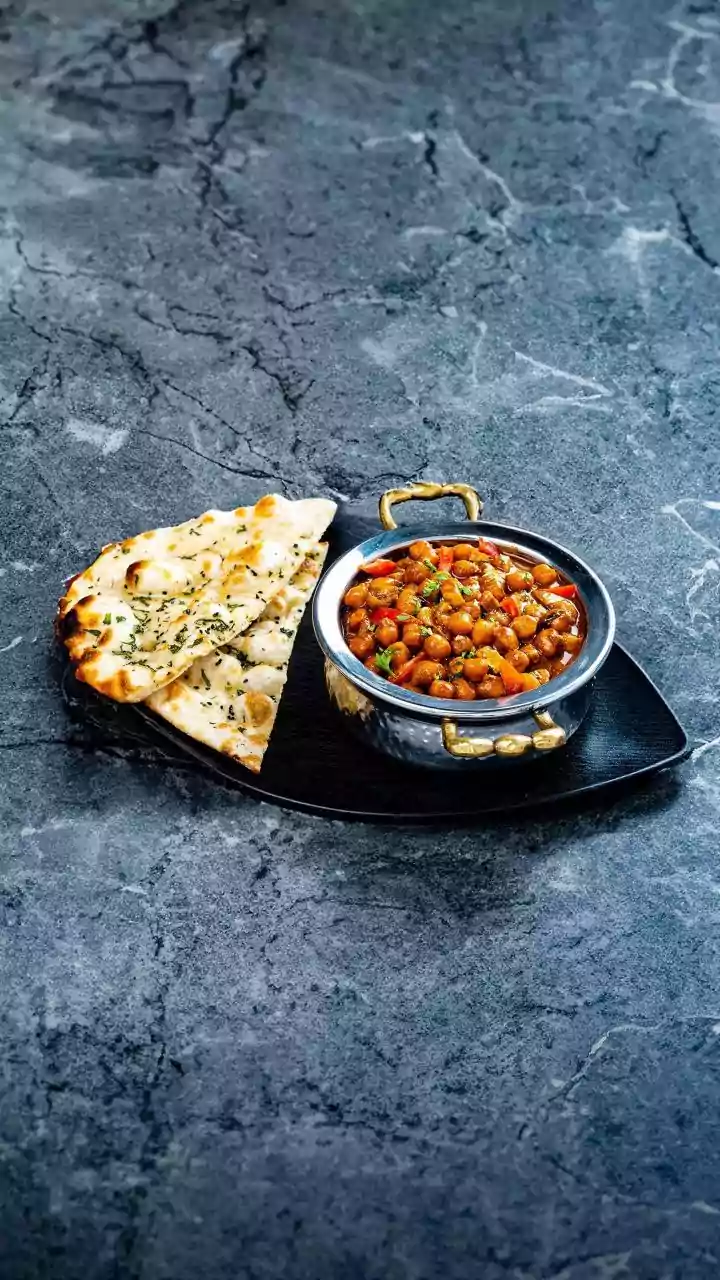
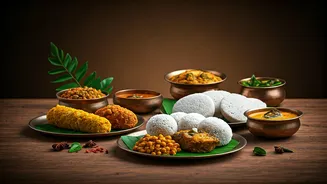
Several factors are contributing to this surge in popularity. Firstly, there's a global shift in diner preferences towards authenticity and regional specificity. [19] Food lovers are no longer content with a monolithic idea of "Indian food" and are actively seeking out diverse culinary stories. [13, 18] Secondly, the cuisine's inherent qualities align perfectly with modern wellness trends. Many dishes are vegetable-forward, use healthy fats like coconut oil, and employ cooking methods like steaming. [2] Dishes like appam (a fermented rice pancake) and stew, or puttu (steamed rice cylinders) with kadala curry, offer complex flavours without being excessively heavy. [16] Finally, the rise of food-focused travel and social media has allowed the vibrant, colourful dishes of Kerala to travel visually across the globe, tempting palates before they even reach the plate. [19]