



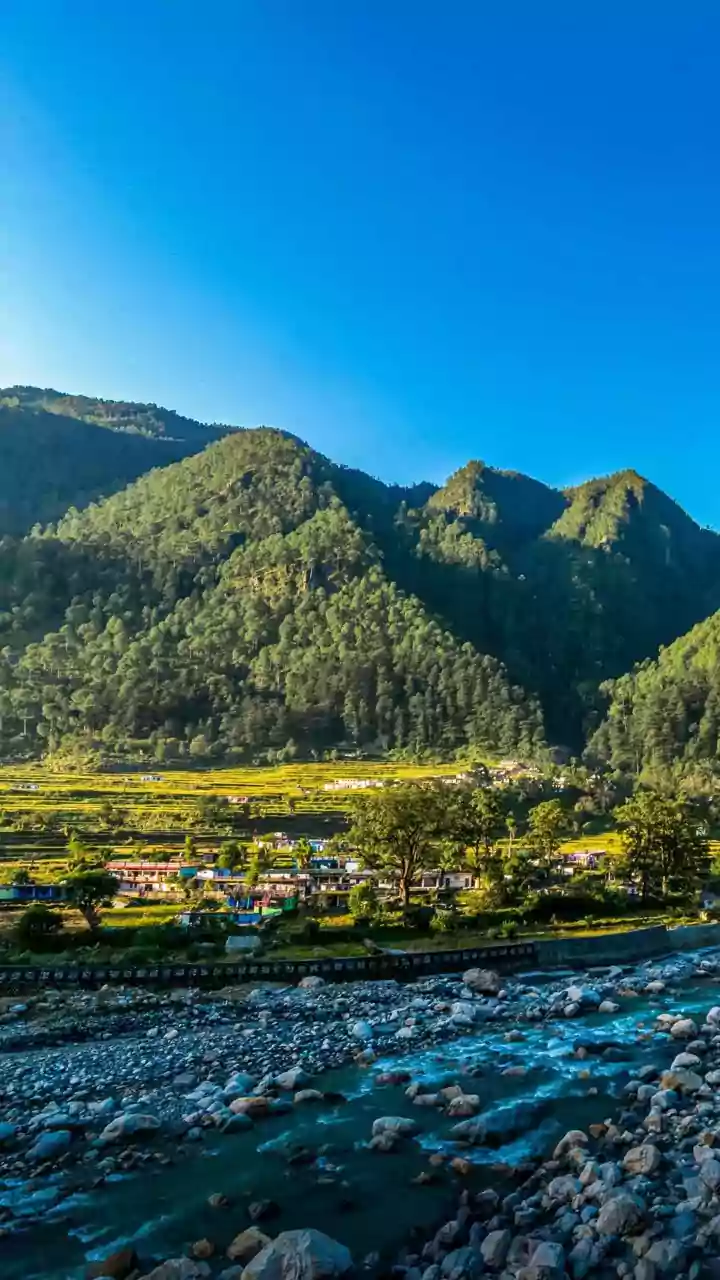



The Freedom of the Open Road
The primary driver behind this shift is a desire for freedom and spontaneity. Unlike the rigid schedules and long queues of air travel, a road trip offers unparalleled flexibility. Young travelers, often seeking a break from high-pressure jobs and routines,
value the ability to dictate their own pace. This generation increasingly prefers experiences over fixed itineraries. A road trip allows for impromptu stops at a colourful local market, a detour to a hidden temple, or an extended break to capture the perfect sunset over the Aravallis. It transforms travel from a simple A-to-B commute into an adventure where the journey itself is the main event.
Perfect Weather and Golden Vistas
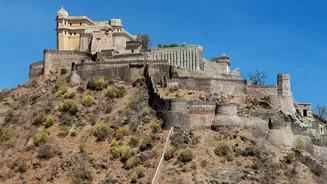
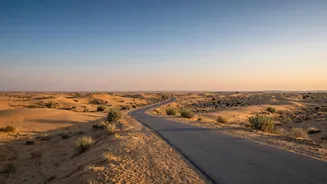
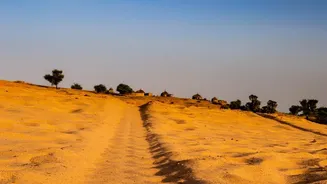
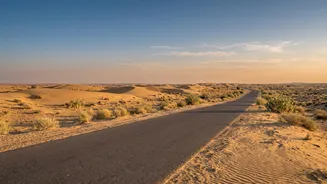
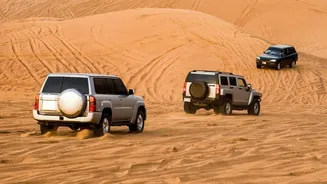
Timing is everything, and early winter (from October to March) is the undisputed best season to explore Rajasthan. The scorching summer heat gives way to comfortable daytime temperatures, ideal for exploring majestic forts and bustling bazaars without fatigue. The skies are typically clear and sunny, providing perfect lighting for photography. This is when the landscape, bathed in a soft golden light, is at its most magical. Driving through changing scenery—from the rocky hills around Udaipur to the vast sand dunes near Jaisalmer—becomes a cinematic experience, a far cry from staring at clouds from 30,000 feet.
A More Economical Adventure
For many, the decision also comes down to simple economics. While flight prices can fluctuate wildly and often surge during peak season, the cost of a road trip is more predictable. For a group of friends, splitting the cost of fuel and tolls for one vehicle is often significantly cheaper than purchasing multiple plane tickets. Add to that the savings from avoiding expensive airport taxis and excess baggage fees, and the financial appeal becomes clear. This budget-friendly approach allows travelers to allocate more of their funds towards authentic experiences, like staying in unique heritage havelis or enjoying local cuisine.
An Authentic Cultural Immersion
Highways in Rajasthan are gateways to the state's true cultural heart. The journey between iconic cities like Jaipur, Jodhpur, and Udaipur is dotted with countless opportunities for authentic interaction. Roadside dhabas offer a taste of local delicacies like spicy Laal Maas and freshly made bajra roti, experiences often missed by those who fly. Traveling by car allows for visits to smaller towns and villages, providing a glimpse into a side of Rajasthan that remains unseen from the air. Whether it's stopping at the Pushkar Camel Fair in November or the Desert Festival in Jaisalmer in February, road travel facilitates a deeper, more immersive cultural connection.
The Rise of Superior Highways
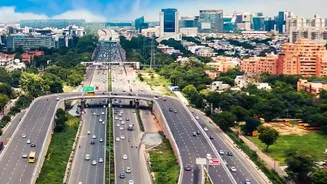
This trend has been significantly fueled by India's rapidly improving infrastructure. Well-maintained national highways, like the popular Delhi-Jaipur (NH48) and Jaipur-Jaisalmer (NH11) routes, have made long-distance driving smoother and faster. The opening of sections of the new Delhi-Mumbai Expressway has further cut travel times through key parts of Rajasthan, making cities like Kota and Dausa more accessible. These modern, access-controlled roads have transformed driving from a potentially stressful endeavour into a safe and pleasurable experience, encouraging more young people to get behind the wheel.