







From Ancient Practice to Modern Trend
The idea of controlling your breath for well-being is hardly new. It’s a cornerstone of ancient practices like yogic pranayama, which has been used for millennia to regulate the body and mind. [9, 11, 15] What’s different now is the context. In 2026,
we’re seeing a global resurgence of these techniques, repackaged as 'breathwork' for a modern audience grappling with digital burnout, anxiety, and the constant pressure to perform. [21] It’s being embraced in corporate wellness programs, integrated into fitness apps, and adopted by everyone from high-performance athletes to busy parents as a quick, effective way to hit the reset button. [38] This trend is part of a larger shift towards mental health awareness and accessible self-care. [24, 33]
The Science Behind a Simple Sigh
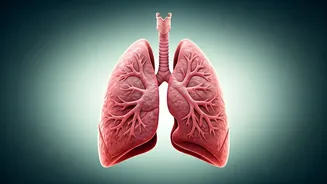
The magic of breathwork isn't magic at all—it's biology. When you feel stressed, your body's sympathetic nervous system (the 'fight-or-flight' response) kicks in, increasing your heart rate and releasing stress hormones like cortisol. [12, 34] Slow, deep breathing does the opposite. It stimulates the vagus nerve, a major component of your parasympathetic nervous system, which is responsible for the 'rest-and-digest' state. [5, 26, 35] Activating this system sends calming signals throughout your body, helping to lower your heart rate, reduce blood pressure, and decrease cortisol levels. [1, 2, 5, 29] Studies have shown that regular breathwork can improve mood, enhance focus, reduce anxiety, and even lead to better sleep. [20, 21, 25, 32]
Three Simple Breathwork Exercises to Try Today
The beauty of breathwork is its accessibility. You can do it anywhere, anytime, without any special equipment. Here are three popular and effective techniques to get you started: **1. Box Breathing (or Square Breathing):** Popular with everyone from Navy SEALs to athletes, this technique is excellent for calming nerves and improving focus. [17, 18] * Inhale slowly through your nose for a count of four. * Hold your breath for a count of four. * Exhale slowly through your mouth for a count of four. * Hold your breath again for a count of four. * Repeat for a few minutes. [3, 6, 17] **2. The 4-7-8 Technique:** Developed by Dr. Andrew Weil, this method is known as a 'natural tranquilizer' and is especially helpful for reducing anxiety and promoting sleep. [11, 15] * Exhale completely through your mouth, making a 'whoosh' sound. [4] * Close your mouth and inhale quietly through your nose for a count of four. * Hold your breath for a count of seven. * Exhale completely through your mouth with a 'whoosh' sound for a count of eight. [4, 11] * Repeat the cycle up to four times when you are starting out. [11] **3. Diaphragmatic (Belly) Breathing:** Many of us shallowly breathe from our chest. This exercise helps you engage your diaphragm for a deeper, more efficient breath, which can help lower your heart rate and blood pressure. [1, 16] * Lie down or sit comfortably. [22] * Place one hand on your chest and the other on your belly, just below your rib cage. [10, 27] * Breathe in slowly through your nose so that your stomach moves out against your hand. The hand on your chest should remain as still as possible. [27] * Exhale through pursed lips as you feel your stomach fall. [27] * Practice for 5-10 minutes a few times a day. [27]
Making It a Habit
Like any new routine, the key to making breathwork stick is consistency. The goal isn't to add another stressful item to your to-do list, but to find small moments to integrate it. [14, 28] Try 'habit stacking' by linking a few minutes of breathing to something you already do every day. For example, practice box breathing while waiting for your morning coffee to brew or do a few rounds of 4-7-8 breathing when you get into bed at night. [19] You can even use it to punctuate your workday, taking a two-minute breathwork break between meetings or tasks to clear your head. [19] By starting small and being consistent, you can transform this simple, powerful practice from a novelty into a natural part of your daily life. [14]