



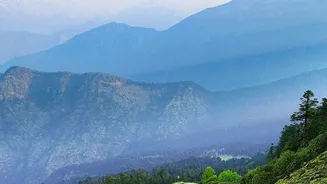
Shoja: A Quiet Hamlet in the Clouds
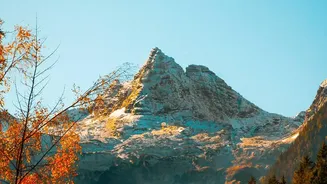
Perched at an altitude of over 2,600 metres, Shoja is a small village that feels like a world away from the noise. Unlike its bustling counterparts, Shoja is about slow travel, surrounded by dense deodar and oak forests with breathtaking views of the Himalayas.
The air here is crisp, the atmosphere is tranquil, and the main attractions are crafted by nature itself. It's the kind of place where your daily activities might include a leisurely walk through the woods, enjoying a cup of tea with a view, or simply watching the clouds drift by. The village is often described as what Jibhi, a nearby popular spot, felt like years ago—quieter and more suited for those seeking genuine solitude.
Gateway to Jalori Pass and Serolsar Lake
One of Shoja's biggest draws is its proximity to the stunning Jalori Pass, located just five kilometres away. This high-altitude pass, sitting at over 3,100 metres, offers panoramic views and is the starting point for two popular treks. The first is a 5-kilometre trail through a dense forest to Serolsar Lake, a serene body of water considered sacred by locals. The trek is relatively easy and rewards you with a peaceful, almost mystical atmosphere at the lake. The second popular trek from the pass leads to the ruins of Raghupur Fort, which offers a stunning 360-degree view of the surrounding mountain ranges. Being based in Shoja gives you a head start to explore these natural wonders before the day-trippers arrive.
Tirthan Valley: The River's Paradise
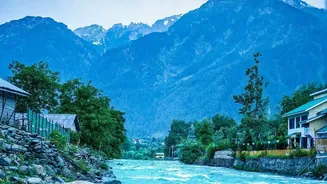
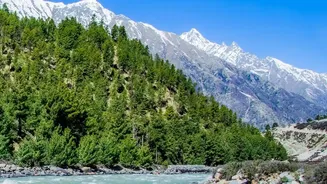
Just a short drive from Shoja lies the pristine Tirthan Valley, named after the crystal-clear Tirthan River that flows through it. This valley is an angler's paradise, famous for its trout fishing, but its appeal is much broader. Tirthan is the gateway to the Great Himalayan National Park (GHNP), a UNESCO World Heritage Site teeming with diverse flora and fauna. You can embark on multi-day treks deep into the park or enjoy shorter hikes along the river, passing through charming villages like Gushaini and Nagini. The valley encourages you to disconnect from digital life and reconnect with nature, whether you're camping by the river, birdwatching, or simply relaxing in a riverside wooden cottage.
Authentic Experiences and Homely Stays
What truly sets Shoja and Tirthan Valley apart is the emphasis on authentic, sustainable travel. Instead of large commercial hotels, the area is dotted with charming homestays and guesthouses run by local families. This offers a wonderful opportunity to experience warm Himachali hospitality and savour delicious, home-cooked local food. Whether it’s a cosy room in a traditional wooden house in Shoja or a riverside cottage in Tirthan, the accommodation becomes a part of the experience. This less commercialized environment allows for a more intimate and genuine connection with the place and its people.
Planning Your Offbeat Escape
Both Shoja and Tirthan Valley are relatively easy to reach yet feel blissfully untouched. The best time to visit is during the spring and summer months (April to June) for pleasant weather and blooming flowers, or in autumn (September to November) for clear skies and golden landscapes. You can drive from Delhi or Chandigarh, with the journey taking you through scenic mountain roads. Many travellers combine both destinations in a single trip, as they complement each other perfectly. You could spend a few days embracing the high-altitude serenity of Shoja and then descend into the vibrant, river-centric life of Tirthan Valley.