



The Allure of the Rains
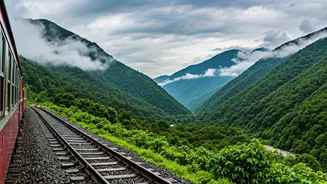
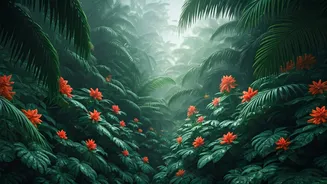
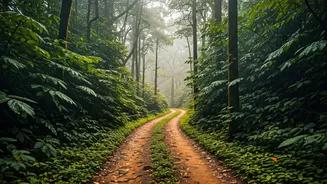
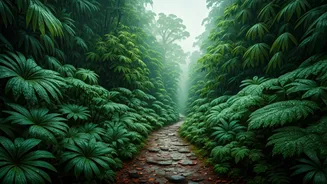
While many national parks close their core zones during the monsoon to protect the habitat and for safety reasons, several remain partially open or are at their absolute peak. The rainy season breathes new life into the forests, turning dusty landscapes
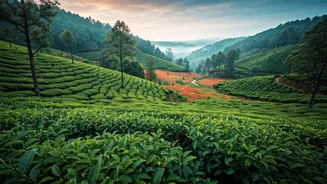
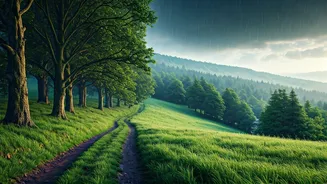
into vibrant emerald carpets. Waterfalls cascade with full force, lakes and rivers swell, and the air is thick with the fresh scent of wet earth. This season is a haven for photographers, with misty mornings and dramatic, cloud-streaked skies creating stunning visual backdrops. It’s a time when wildlife behaviour changes, and the reduced tourist footfall offers a more peaceful, intimate connection with nature.
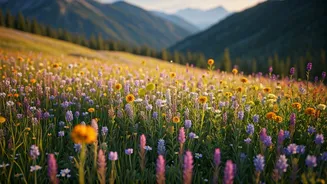
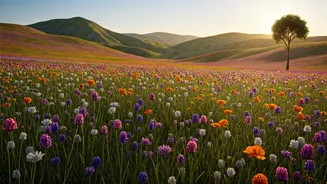
Valley of Flowers, Uttarakhand: A Himalayan Canvas
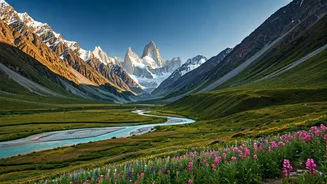
This UNESCO World Heritage Site is perhaps the most famous monsoon trekking destination in India, and for good reason. Unlike other treks that are best avoided in the rain, the Valley of Flowers comes alive only from July to September. The monsoon rains trigger a spectacular bloom of over 600 species of alpine flowers, including the rare blue poppy and Brahma Kamal. The entire valley transforms into a vibrant carpet of colours, set against the backdrop of snow-capped Himalayan peaks. The trek itself is moderate, making it accessible for most enthusiasts who come prepared for rain and mist.
Periyar National Park, Kerala: A Lakeside Spectacle
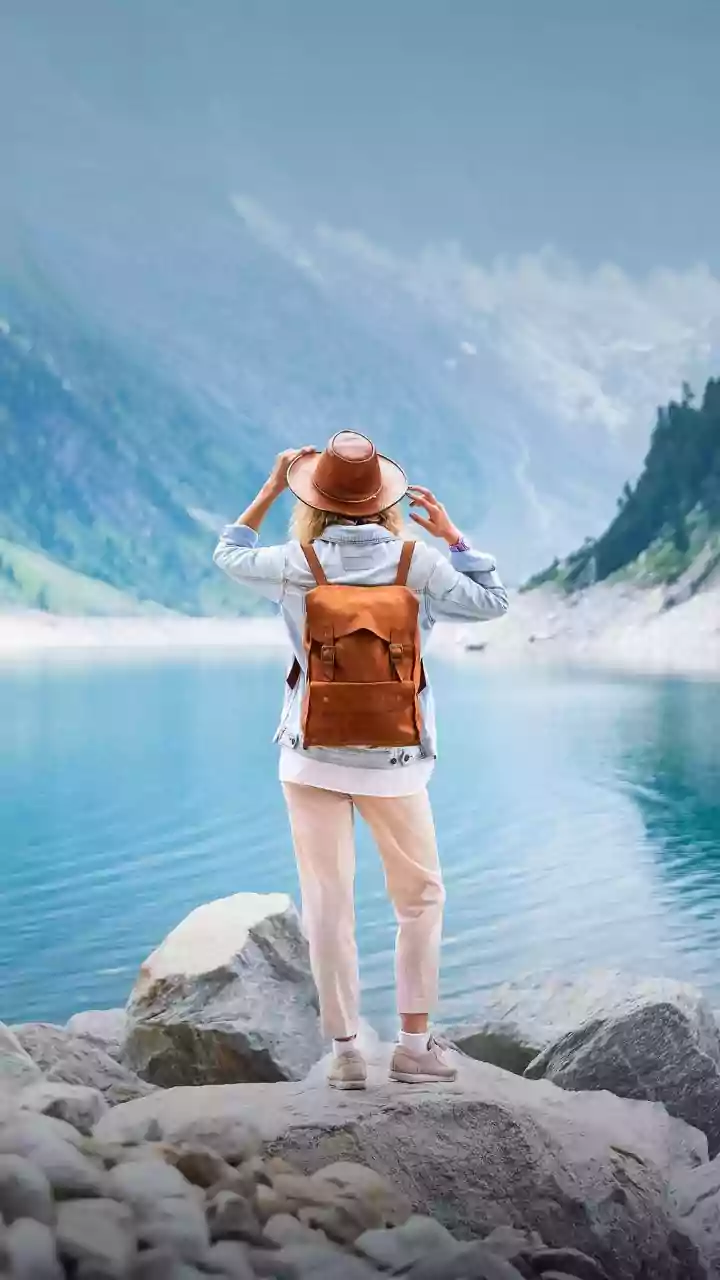
Down south, Periyar National Park in Kerala becomes an enchanting paradise during the monsoon. The park remains open year-round, and the rains rejuvenate the dense forests and the vast Periyar Lake. The key experience here is the boat safari on the lake, where you can glide through mist-covered waters and spot herds of elephants gathering at the shoreline. The cooler temperatures mean animals are often more active throughout the day. Besides elephants, you might see sambar deer, Indian gaur, and a rich variety of birdlife amid blooming orchids.
Jim Corbett, Uttarakhand: The Open Zones
While most of India's oldest national park closes during the monsoon, select zones like Jhirna and Dhela remain open for safaris. A monsoon trip to Corbett is less about chasing tiger sightings and more about soaking in the serene, lush atmosphere. The landscape undergoes a dramatic transformation, with vibrant green foliage and overflowing streams. These buffer zones are known for sightings of wild boars, deer, and Asian elephants, along with a plethora of bird species that are especially active during the rains.
Kudremukh National Park, Karnataka: Rolling Green Hills
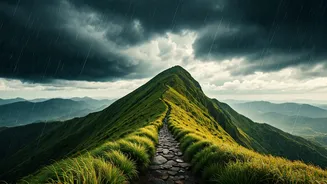
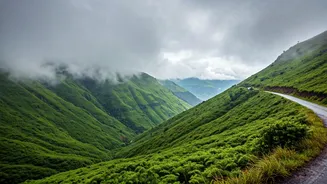
Located in the heart of the Western Ghats, Kudremukh, which means 'horse-face' in Kannada, refers to a mountain peak that resembles a horse's profile. During the monsoon, the park's rolling hills and grasslands become a seamless expanse of stunning green. It's a trekker's paradise, with trails that wind through misty valleys, dense shola forests, and past gushing waterfalls like the Kadambi Falls. The region's biodiversity is on full display, offering a refreshing and challenging adventure for those willing to embrace the rain.
Preparing for Your Monsoon Adventure
A successful monsoon park visit hinges on preparation. Waterproofing is non-negotiable. Invest in a good quality rain jacket or poncho, waterproof trekking shoes with excellent grip, and a rain cover for your backpack. Pack quick-drying synthetic clothes and avoid cotton, which stays wet and cold. Extra pairs of socks are a must to prevent blisters. On jungle trails, especially in the Western Ghats, leech socks can be a lifesaver. Always carry insect repellent, a basic first-aid kit, and high-energy snacks. Lastly, check the weather and park accessibility before you leave, as conditions can change rapidly.